In the vast market of water bottles, the choice between plastic water bottles and ceramic water bottles is a topic that often comes up for consumers. As a supplier of plastic water bottles, I have a deep – seated interest in understanding how our products stack up against ceramic counterparts. This blog aims to explore the various aspects of these two types of water bottles, including materials, design, functionality, environmental impact, and cost – effectiveness. Plastic Water Bottles
Materials and Manufacturing
Let’s start by looking at the materials. Plastic water bottles are typically made from polyethylene terephthalate (PET), high – density polyethylene (HDPE), or polycarbonate (PC). These plastics are lightweight, durable, and relatively easy to shape. The manufacturing process of plastic water bottles involves injection molding or blow molding. Injection molding is used to create the preforms, which are then blow – molded into the final bottle shape. This process is highly efficient, allowing for mass production at a relatively low cost. The machinery used in plastic bottle manufacturing can produce thousands of bottles per hour, making it a scalable option for large – scale suppliers like us.
On the other hand, ceramic water bottles are made from clay, which is a natural material. The manufacturing process of ceramic bottles is more labor – intensive and time – consuming. It involves shaping the clay, either by hand – throwing on a potter’s wheel or using molds. After shaping, the bottles are dried and then fired in a kiln at high temperatures, which can take several hours or even days depending on the type of clay and the desired finish. This slow – paced manufacturing process limits the production volume compared to plastic water bottles.
Design and Aesthetics
When it comes to design, plastic water bottles offer a wide range of possibilities. They can be molded into various shapes, sizes, and colors. We can create sleek, modern designs for a contemporary look, or fun, quirky shapes to appeal to a younger demographic. Additionally, plastic bottles are highly customizable with printed labels. We can print logos, brand names, and even intricate graphics on the bottles, making them ideal for promotional purposes. This flexibility in design makes plastic water bottles a popular choice for businesses looking to create a unique brand image.
Ceramic water bottles, however, have a distinct aesthetic appeal. Their natural, earthy look gives them a rustic and premium feel. Each ceramic bottle is often slightly different due to the hand – made nature of the manufacturing process, which adds to their charm. The surface of ceramic bottles can be glazed in a variety of colors and finishes, from a smooth, glossy look to a more textured, matte finish. This artisanal quality makes ceramic water bottles a decorative item as well as a functional one, often appealing to consumers with a taste for the unique and high – end.
Functionality
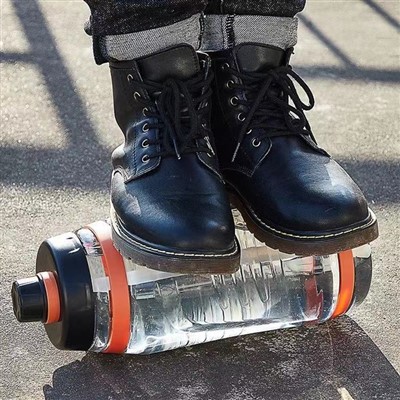
In terms of functionality, plastic water bottles are lightweight, which makes them highly portable. Whether you are going for a hike, to the gym, or commuting to work, a plastic water bottle can easily fit into your backpack or purse without adding much weight. They are also shatter – resistant, so you don’t have to worry about them breaking if they are dropped accidentally. Most plastic water bottles come with secure caps that prevent leaks, ensuring that your belongings stay dry.
Ceramic water bottles, although heavier, have excellent insulation properties. They can keep your water cool for longer periods compared to plastic bottles. The ceramic material acts as a natural insulator, reducing the transfer of heat from the outside environment to the water inside. However, ceramic bottles are more fragile. If dropped, they are likely to break, which can be a significant drawback, especially for those who are constantly on the move.
Environmental Impact
The environmental impact is a crucial factor in today’s consumer – conscious market. Plastic water bottles have long been criticized for their negative environmental effects. Most plastic bottles are made from non – renewable resources and are not biodegradable. Although many plastic bottles are recyclable, the recycling rates are relatively low in many parts of the world. A significant amount of plastic waste ends up in landfills or the ocean, where it can take hundreds of years to decompose and poses a threat to wildlife.
As a plastic water bottle supplier, we are aware of these issues and are taking steps to mitigate our environmental impact. We are increasingly using recycled plastics in our manufacturing process. For example, we source post – consumer recycled PET (rPET) and incorporate it into our new bottles. This not only reduces the demand for virgin plastics but also helps to divert plastic waste from landfills. Additionally, we are promoting recycling programs and educating our customers about the importance of proper disposal.
Ceramic water bottles, being made from natural clay, are more environmentally friendly in terms of the raw materials. Clay is a renewable resource, and the production process does not involve the use of harmful chemicals. However, the high – energy consumption during the firing process in a kiln can have a significant carbon footprint. Also, if a ceramic bottle breaks, it is difficult to recycle and usually ends up in a landfill.
Cost – Effectiveness
Cost – effectiveness is another important consideration for consumers. Plastic water bottles are generally more affordable than ceramic water bottles. The low – cost raw materials and the efficient manufacturing process allow us to offer plastic water bottles at a competitive price. This makes them accessible to a wide range of consumers, from budget – conscious individuals to large organizations looking to provide water bottles to their employees or customers.
Ceramic water bottles are more expensive. The labor – intensive manufacturing process, combined with the relatively low production volume, drives up the cost. The higher price tag may limit their market appeal to consumers who are willing to pay a premium for the unique aesthetic and insulation properties.
In conclusion, both plastic and ceramic water bottles have their own advantages and disadvantages. Plastic water bottles are lightweight, portable, cost – effective, and highly customizable. They are a great option for mass – market use and promotional purposes. While there are environmental concerns associated with plastic bottles, our industry is making efforts to improve the situation through recycling and the use of recycled materials.
Ceramic water bottles, on the other hand, offer a unique aesthetic and better insulation but are heavier, more fragile, and more expensive. They are suitable for consumers who value craftsmanship, artisanal products, and are willing to invest in a high – quality water bottle.
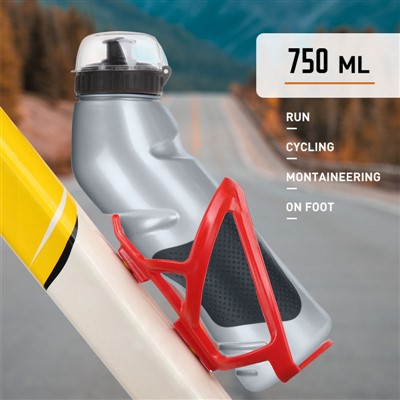
If you are in the market for water bottles, whether for personal use or for your business, we can offer you a wide range of plastic water bottles that meet your specific needs. Our experienced team can work with you to design customized bottles that reflect your brand identity. We also ensure the highest quality standards in our products. If you are interested in discussing your requirements or would like to place an order, please feel free to reach out to us for a procurement discussion.
Silicone Water Bottle References
- "The Chemistry of Plastics in Packaging" by Journal of Polymer Science
- "Ceramic Materials: Properties and Applications" by American Ceramic Society
- "Environmental Impact of Plastic and Ceramic Products" by Environmental Science & Technology Journal
Polywell International
Polywell International is one of the most professional plastic water bottles manufacturers and suppliers in China, featured by quality products and good price. Please rest assured to buy advanced plastic water bottles made in China here and get quotation from our factory. Customized orders are welcome.
Address: Building 3, Chengzhou Industrial Zone, No.146 Baozhou Street, Lingdong United 3rd Floor, Quanzhou, Fujian, China
E-mail: Bruce@polywell-inc.com
WebSite: https://www.cndrinkware.com/
