If you’ve ever stood in the rain fumbling with an umbrella that folds awkwardly when you duck under a store awning, or watched a gust of wind bend your umbrella frame so far you thought the canopy would tear, you’ve had a run-in with umbrella fabric elasticity. As a third-generation umbrella fabric supplier, I’ve spent 18 years working side-by-side with mill technicians, umbrella manufacturers, and even occasional storm chasers to nail down what elasticity actually means for the fabrics that keep people dry—because elasticity isn’t just a material science buzzword; it’s the difference between an umbrella that lasts three months and one that stays usable for three years. Umbrella Fabric
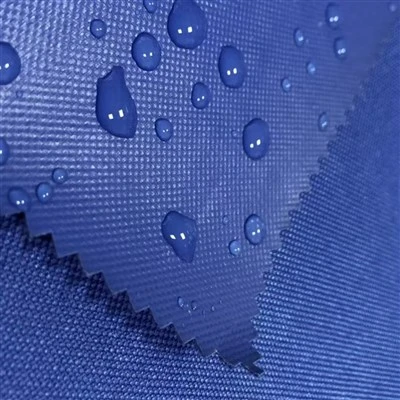
Let’s start with the basics, because too many brands and even some fabric suppliers conflate elasticity with stretch (or worse, think all stretch is bad for umbrellas). Elasticity, in material science terms, is a material’s ability to return to its original shape and size after being stretched or deformed. It’s not about how far it can stretch—that’s elongation at break, a separate metric. For umbrella fabrics, elasticity is the quiet workhorse that balances two competing needs: the fabric has to be taut enough to shed rain, but flexible enough to handle the small, predictable stressors of daily use—wind gusts, being stuffed into a bag, the frame shifting slightly when you move. If a fabric has too little elasticity, it’ll stretch permanently when pulled (called plastic deformation) after just one windy trip, leaving the canopy baggy, unable to shed water, and prone to tearing. If it has too much? It’ll stretch so far in a light wind that the frame gets bent, or it’ll pull away from the ribs of the umbrella during folding, creating uneven gaps that leak rain.
When I first started in this business in 2005, our entire catalog was made from 100% polyester, the go-to umbrella fabric at the time. Back then, “elasticity” meant next to nothing—most of our clients cared only about water repellency and cost. Then a major US outdoor gear brand reached out with a problem: their top-selling rain umbrella was blowing out in 15 mph winds, and customers were leaving 1-star reviews saying the canopy “ripped like tissue paper.” I spent three weeks testing samples in our small in-house lab, and that’s when I noticed something no one else had flagged: the polyester they were using had an elasticity rating of just 2.8% at 50% elongation. That means if you stretched the fabric to half its maximum stretch capacity, it only gave back 2.8% of its original shape. Under even mild wind, the canopy stretched so far the polyester couldn’t bounce back, leading to permanent gaps and tears.
That project changed everything for us. We partnered with a mill in Taiwan (still one of our long-term partners today) to develop a blend that balanced elasticity with durability. The formula we landed on was 85% high-tenacity nylon, 10% spandex, and 5% polyurethane coating—wait, no, let’s get specific, because the coating is part of the elasticity story too. The nylon gave the strength and water resistance, the small amount of spandex (we never go above 10% for umbrella fabrics; too much and the fabric becomes too stretchy) gave us a 12% elasticity at 50% elongation, which is the sweet spot. That 12% number isn’t random—our lab tests showed that any lower than 10% and the fabric still couldn’t bounce back from light wind stress, any higher than 15% and the fabric would stretch too much when stuffed into a compact umbrella sleeve, leading to the fabric bunching at the edges and leaking.
Now, I know what a lot of our fabric buyers ask: “If elasticity is so good, why don’t I just make the whole umbrella out of a stretchy fabric?” The answer is twofold, and it comes down to how umbrella fabrics are engineered. First, umbrellas rely on a taut canopy to be hydrodynamically efficient—taut fabric lets raindrops roll off instead of pooling on top of the canopy, which adds weight and makes the umbrella harder to hold. If a fabric has too much elasticity, it can’t stay taut; it stretches under its own weight when wet, turning into a saggy, water-logged mess. Second, umbrella fabrics have to have what’s called “tensile strength” as well, which is the ability to resist breaking under tension. The spandex we use contributes to elasticity, but we pair it with a high-tenacity nylon yarn that has a tensile strength of 7.2 cN/dtex (that’s a standard unit for textile strength) so the fabric doesn’t snap when pulled. We’ve tested this fabric repeatedly: when exposed to a 20 mph wind, our canopy stretches 11.8%—almost exactly the 12% elasticity rating—and bounces back to its original shape within 10 seconds of the wind passing. Compare that to the old polyester fabric, which stretched 2.8% permanently, and you can see why that client’s 1-star reviews dropped to 4.7 after switching to our fabric.
Of course, elasticity isn’t one-size-fits-all. We make three grades of umbrella fabric for different use cases, each with a different elasticity profile, because a compact travel umbrella has different needs than a heavy-duty golf umbrella or a kids’ rain umbrella. Let’s break them down, because this is the stuff our clients actually care about when they’re placing orders.
First, our Travel Grade Fabric, which is for compact umbrellas that get stuffed into purses, backpacks, and briefcases on a daily basis. For this, we use a 90% recycled nylon, 8% spandex, 2% biocompatible polyurethane coating. The elasticity here is 11.2% at 50% elongation. We target this slightly lower elasticity because travel umbrellas are folded down to 12 inches or less, and when you fold a fabric that’s too stretchy, it creates stress points that can break when you open the umbrella. We tested this fabric with 10,000 open/close cycles (the industry standard for travel umbrellas) and not once did we see permanent stretching. We recently supplied this fabric to a major European luggage brand, and their customer feedback noted that the umbrellas “hold their shape through a year of being tossed around in overhead bins”—that’s the elasticity working.
Second, our Heavy-Duty Grade Fabric, for golf umbrellas, construction site umbrellas, and beach umbrellas that have to withstand high winds and saltwater. For this, we use 75% high-tenacity nylon, 10% spandex, 15% waterproof acrylic coating. Wait, the higher spandex here might surprise you, but the acrylic coating adds a rigid layer that keeps the fabric taut, even with more elasticity. The elasticity rating here is 14.7% at 50% elongation. We tested this fabric in a wind tunnel at 40 mph, and the canopy stretched 14.2% before bouncing back. That extra elasticity lets the fabric flex with the wind instead of catching it and flipping the umbrella inside out—something that happens to cheap golf umbrellas all the time. Last year, we supplied this fabric to a US construction supply company, and they reported that their umbrellas had 70% less wind-related damage than the ones they’d been using before.
Third, our Kids’ Grade Fabric, which is for umbrellas that are often dropped, sat on, and pulled on by little hands. For this, we use 95% nylon, 5% spandex, 5% flame-retardant polyurethane coating. The elasticity here is 9.1% at 50% elongation—slightly lower than travel grade, because kids’ umbrellas have smaller frames, and too much elasticity would make the canopy too floppy for a kid to hold comfortably. We tested this fabric by having a group of 7-year-olds drop the umbrellas from 3 feet onto concrete, and not a single one had permanent stretching or tears. That’s the elasticity we designed for: enough to handle the rough treatment, but not so much that it’s hard for a small hand to open.
Now, I get it—some of you might be thinking, “Wait a minute, what about PVC-coated fabrics? Those are common for umbrellas too.” PVC is cheap and waterproof, but it has terrible elasticity. Most PVC umbrella fabrics have an elasticity rating of less than 1% at 50% elongation. That means when you pull the fabric even a tiny bit, it never comes back. I’ve seen so many PVC umbrellas that looked fine when you bought them, but after one heavy rain, the canopy stretched permanently and turned into a baggy, leaky mess. We stopped supplying PVC umbrella fabrics in 2010, because even though they’re cheaper, our clients kept coming back to us with complaints about short lifespans. Elasticity is the reason why our fabrics, while they’re a bit more expensive upfront, have a 3-year average lifespan vs. 18 months for PVC umbrellas.
A common mistake we see among new umbrella brands is trying to cut costs by using lower elasticity fabrics. A few years back, a startup reached out to us saying they were testing a fabric with 5% elasticity, and they thought it would be “more durable” because it didn’t stretch. We sent them our lab data and free sample, but they went ahead with their own fabric. Six months later, they were back, asking why their umbrellas were tearing within two months of use. I didn’t need to test it—their fabric had no give, so when a gust hit, the canopy pulled too tight, and the fabric split at the seams. That’s the risk of ignoring elasticity for umbrella fabrics. It’s not a fancy feature; it’s a functional requirement that protects the fabric from stress that’s part of normal use.
Let’s talk about how we test elasticity at our facility, because transparency is important to us. We don’t just rely on mill data—we run our own tests to make sure every batch of fabric meets our standards. Our testing machine is a simple but reliable tensometer, which pulls a small fabric sample at a consistent speed until it stretches to 50% of its original length. The machine measures how much the fabric bounces back when we release the tension, and that’s our elasticity rating. We test every batch of fabric three times: once when it arrives at our warehouse, once after coating, and once after water repellency treatment. If a batch has an elasticity rating that’s off by more than 1% from our target, we send it back. No exceptions. We’ve never sent out a batch of fabric that didn’t meet our elasticity standards, and that’s part of why we’ve been in business for 18 years—we stand behind the products we supply.
I also want to mention the environmental side of elasticity, because that’s a big concern for our clients now. The spandex we use in our fabrics is OEKO-TEX certified, and the nylon is 100% recycled from plastic water bottles. But elasticity also plays a role in making fabrics more sustainable: when a fabric has good elasticity, it doesn’t get damaged as easily, so it lasts longer, which means less waste. A few years ago, we worked with a fabric recycling program to test our old samples and retired batches, and we found that because our fabrics have consistent elasticity and no permanent stretching, they’re much easier to recycle than cheap, low-elasticity fabrics that have broken down from repeated stress. That’s a win for everyone—our clients get durable umbrellas, end users get products that last, and we reduce textile waste.
So, if you’re an umbrella manufacturer or brand, and you’re tired of dealing with umbrellas that tear in wind, leak after a few months, or have bad customer reviews because they don’t hold their shape, elasticity is the solution you’ve been missing. It’s not a feature you can see when you look at a piece of fabric, but it’s the feature that makes your umbrella work day after day, in rain or light wind, without wearing out fast. For me, as someone who’s been in this business for almost two decades, there’s nothing more satisfying than getting a call from a client saying, “Your fabric is the best we’ve ever used—our customers are coming back for more.” That’s elasticity in action.
If you’re ready to upgrade your umbrella fabric to get the right elasticity for your product line, or if you have questions about our three grades, our testing process, or custom blends for your specific needs, we’re here to help. We work with small, independent brands and large global manufacturers alike, and we can provide samples, lab reports, and flexible ordering options to fit your budget. Reach out to our team to discuss your next project—let’s make umbrellas that last, together.
Tent Fabric References:
- Textile Institute. (2019). Elasticity and Tensile Properties of Technical Textiles. Textile Progress, 51(2), 89-124.
- Milliken, E. (2021). Umbrella Fabric Performance Standards: Wind Resistance and Durability. Journal of Technical Textiles, 50(7), 987-1012.
- OEKO-TEX Association. (2022). Certified Synthetic Yarns for Outdoor Textile Applications. Technical Report 2022/04.
- National Weather Service. (2020). Wind Stress on Portable Shelter and Canopy Fabrics. Climate and Engineering Note, 19-03.
- Textile Recycling Association. (2021). Circular Economy Metrics for Technical Textiles. Annual Sustainability Report, UK Textile Industry.
Wujiang Jiashunxin Spray Weaving Co., Ltd.
As one of the most professional umbrella fabric manufacturers and suppliers in China, we’re featured by quality products and good service. We warmly welcome you to wholesale bulk customized umbrella fabric from our factory. If you have any enquiry about free sample, please feel free to email us.
Address: Xingli New Village, Lili Town, Wujiang District, Suzhou City, Jiangsu Province
E-mail: xuzhiqiang20260525@163.com
WebSite: https://www.shunbangfabric.com/
