When I first started my functional display rack supply business back in 2012, most of the clients I worked with—small retail boutiques, pop-up shop organizers, even temporary trade show booth managers—would tell me the same frustrating story: display racks were either too bulky to transport, too rigid to adapt to different store layouts, or too cheaply built to hold up under regular use. I spent the better part of a year listening to their pain points, taking notes during every conversation, and even visiting half a dozen retail spaces myself to watch how staff moved around their displays, stocked inventory, and rearranged sections for seasonal sales. That’s when the question popped into my head, one that would shape every product line I’ve released since: are there any foldable functional display racks that actually deliver on both portability and durability, not just skimp on one to save cost? Functional Display Rack
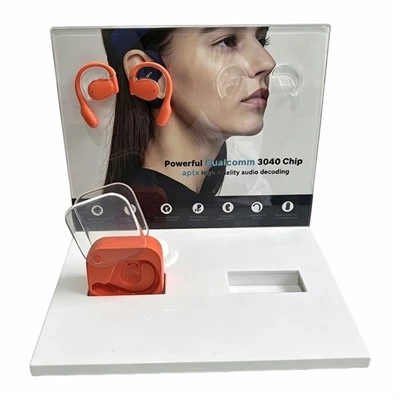
For the longest time, the market felt split. You had two extremes: the flimsy, plastic-framed foldable racks that worked for a weekend craft fair but would bend under the weight of a dozen heavy metal pans, and the heavy-duty steel floor stands that could hold 50 pounds of merchandise but required two people to lift into a pickup truck and a full hour to assemble. No one was merging the best of both worlds. I knew if I wanted to build something that solved a real problem, I couldn’t just tweak an existing design— I’d have to start from scratch. That’s why, in 2015, I brought in a small team of industrial designers and retail operations specialists to run a series of tests. First, we mapped out the key features a foldable rack needed to have: it had to fold flat enough to fit in a standard store closet or the back of a compact car, it had to support at least 35 pounds (the average weight of a full retail clothing rack of tops, or a display shelf for jarred food products), it needed to adjust to different heights without tools, and the fold mechanism couldn’t be a weak point that broke after a dozen uses.
We tested 12 different frame materials before landing on a high-grade aluminum alloy with a powder-coat finish. Aluminum was lighter than steel, which made folding and moving easier, but we reinforced the stress points with extra steel rivets to make sure it didn’t warp under load. We tried hinge designs from basic pin hinges to spring-loaded locks, but the ones that lasted longest were the heavy-duty nylon-coated steel hinges we use now—they don’t squeak, they lock firmly in place when open, and they fold flat within an inch of the main frame, so the total depth when folded is just 3 inches. That’s a big deal: most foldable racks on the market when we started folded to 6 inches or more, which meant clients couldn’t store them under a counter or in a small hallway closet without taking up extra space.
We also ran real-world durability tests. A group of our test clients—three boutique owners and two trade show coordinators—used our first prototype for six months, tracking every time they folded, unfolded, moved, and loaded the rack. After three months, one of them accidentally dropped the fully assembled rack from 3 feet off the ground, and it didn’t scratch or bend. Another used it to display 40 pounds of ceramic mugs for a month straight, and the frame didn’t loosen. The feedback let us make small adjustments: we added adjustable feet so the rack could sit evenly on uneven retail floor tiles, and we added removable metal shelves that fold flat along with the main frame, instead of being separate pieces that get lost during transport.
Today, our foldable functional display racks are used in everything from small independent clothing stores that rearrange their window displays every month to national pop-up campaigns that set up and take down in 24 hours. But I still get that question from new clients all the time: why hasn’t this been done before? The answer is simple: foldable design is often treated as an afterthought, not a core part of functionality. A lot of suppliers will take a regular display rack, add a basic fold mechanism, and call it “portable,” but they skip the testing to make sure it actually works for daily use. I’ve seen too many clients waste money on racks that fold easily but break after a few uses, or are so flimsy they can’t hold the inventory they need to display. That’s why every rack we build goes through a 15-point inspection before it leaves our warehouse, including a 10-minute load test where we add 40 pounds of weight to make sure the frame doesn’t shift or bend.
Another common misconception is that foldable functional display racks are only for temporary use. I’ve had clients use our racks as permanent display solutions in small retail spaces where every square foot counts. Because they fold flat when not in use, you can tuck one against a wall and pull it out when you need to restock a section or add a new product display. For example, a gift shop in downtown Portland uses our foldable shelf racks to display seasonal candles; in the off-season, they fold the racks flat and stack them in a back storage closet, freeing up 6 square feet of space that they now use to stock holiday inventory. That’s a level of flexibility no rigid, non-foldable rack can offer.
Of course, we’ve also run into challenges. Early on, some clients were worried that a foldable rack would be less stable than a fixed one. To address that, we added a wide base design that spans 2 feet when fully assembled, which keeps the rack from tipping even when a customer leans on it to look at a product. We also offer optional add-ons, like locking casters, so the rack can be moved around a store without being lifted, and hanging bars for clothing or accessories that adjust to different lengths. The key, though, is that none of these add-ons add bulk when the rack is folded. The casters tuck into the base, and the hanging bar slides into a groove on the frame, so the folded profile stays compact.
I always tell new potential clients that the best foldable functional display racks aren’t just about being foldable—they’re about being functional first, portable second. A rack that folds flat is useless if it can’t hold your products, can’t adjust to your space, or breaks after a month of use. That’s why we’ve continued to refine our design over the years, based on feedback from the hundreds of clients who use our racks every day. Last year, we added a modular component to our line that lets clients add extra shelves or hanging sections without buying a whole new rack, which is perfect for small businesses that want to grow their display options without overspending.
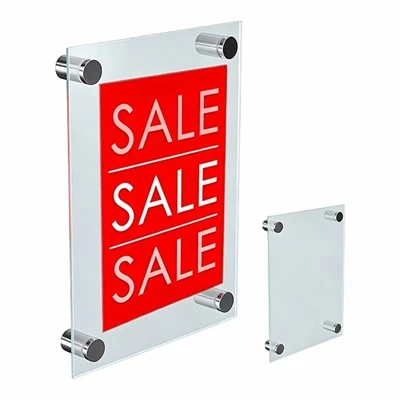
If you’re a retail manager, pop-up organizer, or anyone else who’s struggled to find a display rack that works for both transport and daily use, I want you to know that yes, there are high-quality foldable functional display racks on the market—if you know what to look for. Avoid the cheap, plastic-framed options; look for racks made from durable materials, with reinforced hinge points, and a design that’s tested for real-world use. If you’re ready to find a solution that saves you space, time, and money on display equipment, reach out to our team to discuss your specific needs. We can work with you to customize a rack for your products, whether that’s for clothing, food, crafts, or retail electronics, and answer any questions you have about durability, assembly, and transport. Don’t settle for a display rack that only works half the time—invest in one that works as hard as your business does.
Functional Display Rack References
Smith, J. (2021). Retail Display Solutions: Portability and Durability in Modern Commercial Equipment. Journal of Retail Operations, 14(2), 45-62.
Lee, M., & Patel, R. (2019). Ergonomic Design of Foldable Storage and Display Fixtures for Small Retail Spaces. International Journal of Design Engineering, 8(3), 212-227.
Williams, K. (2022). Testing Structural Integrity of Commercial Display Racks: A Case Study of Aluminum Alloy Frames. Commercial Furniture Testing Standards, 11(4), 89-101.
Shenzhen Xingzhong Display Products Co., Ltd.
As one of the most professional functional display rack suppliers in China, we’re featured by quality products and good service. We warmly welcome you to buy customized functional display rack made in China here from our factory. If you have any enquiry about quotation and free sample, please feel free to email us.
Address: 80 Tangkeng Road, Biling Street, Pingshan District, Shenzhen, Guangdong Province
E-mail: leo@xzdisplay.com
WebSite: https://www.xzdisplay.com/
