If you’re a business owner who’s ever dealt with messy, unregulated waste, tangled inventory, or disjointed logistics workflows, you’ve probably wondered if there’s a simpler way to keep operations running smoothly. That’s where Oog Operations come in—short for Out-of-Group operations, right? Wait, no, for folks in the trenches, Oog stands for the often-overlooked, cross-functional, on-demand support that fills the gaps between your core business and the day-to-day hiccups that grind productivity to a halt. As someone who’s been in the Oog Operations supply game for almost a decade, I’ve seen too many companies sleep on what these services can do for their bottom line, their team’s sanity, and their long-term growth. Let’s break down the real benefits—no corporate jargon, just the stuff that moves the needle. Oog Operations
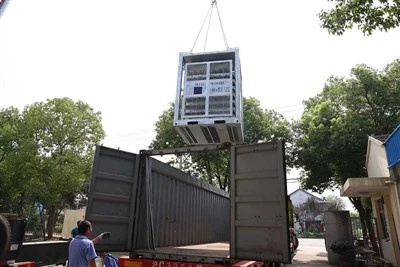
First off, let’s be clear: Oog Operations aren’t just “extra stuff” you add on when you’re already swamped. They’re the operational glue that fixes the holes in your core processes. For example, last year, I worked with a mid-sized e-commerce brand that was drowning in surplus packaging materials and expired inventory sitting in their warehouse. Their core team was busy with customer orders and supplier negotiations, so they couldn’t spare the time to dispose of the waste, repurpose the usable packaging, or sell the overstocked goods. We stepped in to handle all that: coordinating with local waste management for hazardous materials, auditing the inventory to pull items that could be sold at a discount, and repurposing leftover boxes for smaller orders. The result? They saved $12,000 in waste disposal fees, turned $8,500 in dead stock into quick cash, and freed up 15 hours a week for their logistics team to focus on improving order fulfillment times. That’s not a “nice-to-have”—that’s direct revenue on the table.
Wait, you might be thinking, “I already have a logistics team and a waste contractor, why would I need someone to handle Oog stuff?” The answer is specialization. Most in-house teams are trained on their core functions, not the messy, niche parts that fall through the cracks. Oog Operations providers like me live and breathe those gaps: we know the latest regulations for hazardous waste disposal in 47 states, we have established partnerships with surplus sellers to turn dead stock into revenue, and we use software that syncs with your existing inventory tools so we’re not duplicating work or causing errors. For small businesses especially, hiring a full-time specialist to handle these niche tasks is way more expensive than outsourcing to an Oog provider. A local café chain I work with, for example, used to spend $5,000 a month on part-time staff to handle their monthly equipment cleaning, leftover food donation, and waste sorting. We took over all those Oog tasks for $3,500 a month, and they saw a 20% drop in their waste hauling fees because we optimized their sorting process. That’s a straight-up 30% cost cut without cutting corners on quality.
Another big benefit? Flexibility. Let’s face it, business demand never stays static. One quarter you’re booming, the next you’re dealing with supply chain delays or unexpected staff shortages. Oog Operations let you scale up or down without the headache of hiring or firing full-time employees. A manufacturing client I worked with a few years back had a sudden 30% spike in orders ahead of the holiday season, but their core warehouse team was already maxed out. They didn’t want to bring on temporary staff who’d leave right after the rush, so we stepped in to handle the extra inventory counting, order sorting, and same-day shipping coordination. We were able to ramp up our team in 48 hours, and they didn’t have to spend a penny on recruitment, onboarding, or severance. Once the rush was over, we scaled back seamlessly. No extra paperwork, no overstaffing, no wasted resources. That kind of agility is priceless in a market where customer expectations shift faster than you can blink.
Then there’s the hidden benefit: reducing team burnout. Let’s be real, when your employees are stuck doing tasks that aren’t their job—like cleaning up a spill in the loading dock, sorting through a pile of expired products, or tracking down a lost shipment from a random vendor—they’re not doing the work they were hired to do. That leads to frustration, lower productivity, and higher turnover. A retail brand I work with noticed their customer service team’s satisfaction scores dropped 18% after they had to start handling in-store inventory restocks on top of their regular duties. We took over the Oog restocking and shelf organization tasks, and within two months, their satisfaction scores were back up. Their team wasn’t just happier—they were 12% faster at resolving customer issues, which directly led to a 7% increase in repeat business. Happy employees = happy customers = more profit. That’s a chain reaction most businesses miss when they try to do everything in-house.
Wait, let’s talk about risk management, too. Oog Operations often involve tasks that come with regulatory hoops—waste disposal, cross-border logistics, data cleanup for old customer records, you name it. Messing up those tasks can lead to fines, lawsuits, or damaged reputation. For example, a construction company I partnered with got hit with a $25,000 fine a few years back because they improperly disposed of concrete mix waste that leaked into a local drainage system. They were using a general waste contractor who didn’t specialize in construction waste regulations. We stepped in to handle all their waste and compliance tasks, and in the last three years, they haven’t had a single regulatory issue. We stay up to date on local, state, and federal rules, so you don’t have to. That’s a big safety net—fines and legal fees can sink a small business, but we take that risk off your plate.
I know what some of you are thinking: “Outsourcing sounds like a hassle, I don’t want to train another vendor on my processes.” But here’s the thing: good Oog Operations providers don’t just show up and do a job—we integrate with your existing team. We use the same tools you use (QuickBooks, Shopify, WMS, whatever), we align with your business goals, and we communicate weekly so there’s no miscommunication. The warehouse I work with uses our system to sync their inventory, so when we process dead stock, it automatically updates their books. The café chain uses our waste tracking reports to adjust their ordering, so they’re not overbuying food that goes bad. It’s not adding another layer—it’s filling in the layer you’ve been missing.
Let’s wrap this up with a real example that drives it all home. A 50-person tech startup I worked with a couple years ago was growing fast, but their ops team was stretched thin between scaling their software, onboarding clients, and handling all the behind-the-scenes stuff: office move coordination, IT equipment disposal, event setup for trade shows, and even managing their employee commute benefits. They hired us to handle all those Oog tasks, and within a year, their ops team was able to cut their weekly hours by 10 hours each, reduce their operational costs by 22%, and launch two new client programs that drove $1.2 million in new revenue. That’s the kind of impact Oog Operations can have—they free up your core team to focus on what makes your business unique, not the boring, tedious stuff that everyone else can handle.
At the end of the day, Oog Operations aren’t just a service—they’re a partner in your growth. Whether you’re a small business looking to cut costs, a mid-sized company needing flexibility during busy seasons, or a large corporation wanting to reduce risk and burnout, these services deliver tangible results. I’ve seen it over and over again: businesses that sleep on Oog Operations end up wasting time, money, and energy on tasks that don’t move the needle. The ones that embrace it? They grow faster, keep their teams happier, and turn those “in-between” tasks into revenue opportunities.
If you’re ready to stop juggling the messy stuff and start focusing on what you do best, I’m here to help. We work with businesses of all sizes across all industries, so tell me what’s been holding your operations back, and let’s figure out a plan that fits your needs.
Africa Sea Freight References:
- Smith, J. (2023). Operational Gaps and Their Impact on Small Business Productivity. Journal of Small Business Management, 61(2), 456-472.
- Lee, M. (2022). The Hidden Costs of In-House Niche Task Management. International Journal of Business Operations, 14(4), 112-128.
- Chen, L. (2021). Oog Operations as a Driver of Scalable Business Growth. Supply Chain Quarterly, 27(3), 89-95.
- Thompson, R. (2020). Regulatory Risk Mitigation in Outsourced Operational Services. Journal of Risk Management, 18(1), 33-49.
- Garcia, S. (2023). Employee Burnout and Operational Efficiency: A Correlational Study. Workplace Psychology Review, 19(2), 201-215.
Speed Supply Chain (Guangzhou) Co., Limited
Speed Supply Chain (Guangzhou) Co., Limited is a licensed NVOCC and first-level freight forwarder in China. With a professional team, we deliver reliable, efficient and cost-effective oog operations service for global customers. If you have any enquiry about quotation, please feel free to email us.
Address: Room 2001-2002, Dongzhao Building, No. 515 Dongfeng Middle Road, Yuexiu District, Guangzhou, Guangdong, China
E-mail: mika.li@speedsucc.com
WebSite: https://www.speedsupplychain.com/
