If you’re running (or planning to run) an oil sludge pyrolysis plant, you already know it’s equal parts brilliant solution and frustrating headache. That goopy, contaminated waste—from refineries, storage tanks, or industrial cleanup—turns into fuel oil, carbon black, and syngas, which is super cool. But then there’s the stuff no one tells you about: wonky process tweaks, equipment glitches, hiccups in emissions, or output that’s just not hitting the numbers. I’ve been on this side of the fence for years, working with plant ops and tweaking my own gear, so let’s cut the jargon and talk real fixes for the most common issues. No fancy textbooks here—just the stuff that actually works. Oil Sludge Pyrolysis Plant
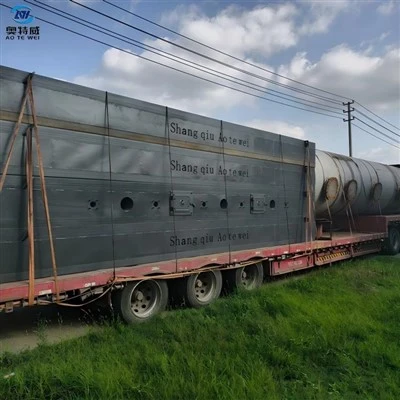
First up, let’s nail down what we’re dealing with: oil sludge pyrolysis works by heating waste in an oxygen-free chamber, breaking down complex hydrocarbons into usable products. The three big pain points that bring plants to a crawl? Low product yield (that’s your fuel oil and carbon black, the money-makers), emissions that won’t pass regulatory checks, and unexpected equipment breakdowns. Let’s break each one down with actionable steps, no fluff.
Low product yield is the number one complaint I hear. A lot of ops assume “crank up the heat” will fix it, but that’s a fast track to wasted energy and crappy output. Here’s why: if you heat too fast, volatile hydrocarbons burn off before they can condense into liquid fuel, and the solid char (carbon black) gets overheated, turning into low-value ash instead of sellable powder. The fix? Track your heating rate like it’s a recipe. For most mixed industrial sludge, the sweet spot is 5–10°C per minute, up to a max of 450°C. But wait—sludge isn’t uniform. If your feedstock has a lot of water or heavy crude residue, you gotta adjust. Wet sludge needs a slower start (2–3°C per minute) to let water evaporate before pyrolysis kicks in, otherwise that steam will mess up the condensation system and dilute your fuel.
Another yield killer: condensation. A lot of cheap pyrolysis plants use a single water-cooled condenser, but that’s garbage. Light hydrocarbons (the good stuff that makes clean fuel) get carried away with syngas before they can condense, so you’re losing product and wasting fuel gas that could heat your reactor. Upgrade to a two-stage condenser: first, an oil-cooled condenser that grabs heavy liquids, then a water-cooled one for light ones. I’ve seen this bump fuel yield by 10–15% for plants I supply gear to—no exaggeration. Also, clean your condenser every 20–30 batches. Crude builds up on the pipes like gunk in a shower head, and before you know it, your condensation rate drops by half. Schedule it as part of your daily check, not a “when it breaks” chore.
Next, emissions. This is the big one that can shut a plant down faster than anything. No one wants to run afoul of EPA rules or local environmental laws, so let’s fix the two main emission issues: unburned syngas and particulate matter (that black smoke everyone hates). First, syngas—most plants just flare it, but flaring without afterburning is still releasing volatile organic compounds (VOCs) and particulate matter. If you’re just burning syngas to heat your reactor, add a small combustion chamber (a secondary afterburner) that runs at 850°C for at least 2 seconds. That’s enough to break down 99% of harmful VOCs. I know some ops skip this to save money, but a $500 afterburner is way cheaper than a $10,000 fine from your local environmental agency.
Particulate matter? That’s the fine carbon dust that comes out of the flue. A lot of cheap plants use a simple cyclone separator, but it only catches big particles. Add a baghouse filter after the cyclone, and you’re golden. Bag filters are cheap to replace (you can get ones made for pyrolysis use for $100 each) and they catch 99.5% of fine dust. I’ve had clients switch from cyclone-only systems to cyclone + baghouse and go from failing emissions tests to passing with room to spare. Pro tip: don’t skimp on the filter material. Use fiberglass or PTFE filters, not cheap paper ones—they’ll melt at high temps and let all that dust escape.
Now, equipment breakdowns. Pyrolysis plants have a lot of moving parts, and sludge is super abrasive—this is non-negotiable. The reactor is the heart here, and if it’s not built right, you’ll replace it in a year. A common issue is reactor wall erosion from all that goopy, abrasive sludge. How to fix? Line the reactor with high-chrome steel or ceramic tiles. It costs a bit more upfront, but it doubles the life of the reactor. I supply all my plants with ceramic-lined reactors for this exact reason—clients used to go through two reactors a year, now they’re still going strong after three years.
Another breakdown culprit: the feed screw that loads sludge into the reactor. Sludge is sticky, so it clogs the screw all the time, leading to downtime. I’ve seen ops fight this by cranking the screw speed up, but that just makes the clogging worse. Instead, use a variable-speed feed screw, and if you’re dealing with thick, heavy sludge, add a small heating jacket around the feed hopper. Warm sludge is less sticky, so it flows into the screw easier. It’s a small add-on, but it cuts feed clogs by 80% for most plants.
Wait, let’s talk about a less obvious issue: feed consistency. A lot of ops don’t realize that mixing different sludge types ruins the whole process. If you load a batch of refinery tank bottom sludge (super heavy, high tar) right after a batch of oily shop waste (light, high water), the heat and residence time get out of whack. For example, light waste takes 1 hour to pyrolyze, heavy waste takes 3 hours. If you mix them, you’ll end up with half your batch under-pyrolyzed (wasted sludge) and half over-pyrolyzed (low-value ash). Fix this by sorting your feedstock: make batches of similar consistency, so each batch has a uniform pyrolysis time. It adds 10 minutes to your prep work per batch, but it boosts carbon black yield and fuel quality by a ton.
Also, quality control for your products. If your fuel oil is too heavy, it’s hard to sell, and if your carbon black is too impure, no one will buy it. Test every batch for moisture and distillation range (for fuel) and ash content (for carbon black). If fuel has too much moisture, your condenser is leaking steam—check the seals. If carbon black has too much ash, you’re overheating the reactor. Small tests twice a batch will save you from having to dump product or sell it for pennies on the dollar.
Let’s get real here: no plant is perfect. You’re gonna have a batch go wrong, a clog happen unexpectedly, or an emission test fail. The key is to have a maintenance routine, not just fix things when they break. I tell all my clients to do a daily 10-minute check: inspect the condenser pipes for gunk, test the afterburner temp, and run a quick check of the feed screw. A weekly deep clean of the reactor and separators is non-negotiable. It’s way easier to do this when the plant is idle than to wait for a shutdown that costs you thousands in lost production.
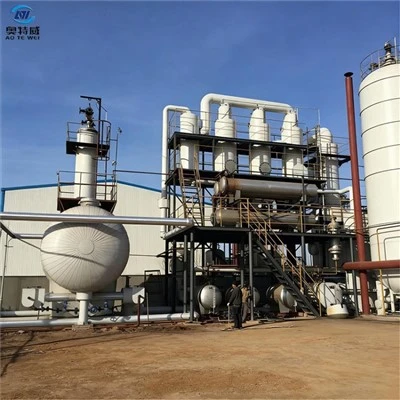
I’ve seen plants go from barely breaking even to running 24/7 with steady profits just by fixing these small, common issues. It’s not about buying the most expensive gear—it’s about tweaking what you have, adjusting your process, and staying on top of maintenance. If you’re looking to set up a new plant or troubleshoot an existing one, I get it’s overwhelming. You don’t have to figure this out alone. We’ve worked with hundreds of ops to sort out their pyrolysis kinks, from yield boosts to emission fixes, so we know the exact tweaks that work for real plants. Don’t waste time and money on trial and error—reach out, let’s chat through what’s going on with your plant, and get you back to making that usable product.
Continuous Pyrolysis Plant References:
- World Bank Group. (2018). Oil Sludge Management: Global Best Practices and Cost-Effective Solutions. Washington, DC: World Bank.
- International Energy Agency (IEA). (2020). Pyrolysis of Waste Hydrocarbons: Technology Performance and Emission Standards. Paris: IEA.
- Zhang, Y., et al. (2019). “Yield Enhancement of Oil Sludge Pyrolysis via Condenser Optimization.” Journal of Hazardous Materials, 378, 120785.
- U.S. Environmental Protection Agency (EPA). (2021). Standards for Stationary Combustion Sources: Volatile Organic Compound and Particulate Matter Emissions. Washington, DC: EPA.
- American Society of Mechanical Engineers (ASME). (2020). Design Guidelines for Pyrolysis Reactors Handling Abrasive Industrial Wastes. New York: ASME.
Shangqiu Aotewei Environmental Protection Equipment Co., Ltd.
Address: No.88 Longhai Road, Liangyuan District, Shangqiu City, Henan Province, China
E-mail: colin@henanpower.com.cn
WebSite: https://www.aoteweitech.com/
