Hey everyone, it’s [Your Name] here, and if you’re reading this, chances are you’re staring at a garage door that’s been making that annoying, high-pitched rubbing sound every time you open or close it. Or maybe you’ve noticed a weird scratch mark on your garage door panel or a worn spot on your rubber seal, and you’re like “wait, why is my garage door track rubbing anyway?” As someone who’s been supplying garage door tracks for over 8 years now, I’ve seen this exact problem hundreds of times—from a homeowner who tried to fix it themselves and messed up the tracks, to a new construction crew that installed the tracks wrong the first time around. It’s not just a minor annoyance, either. That rubbing isn’t just going to stop on its own, and ignoring it can lead to way bigger issues down the line. Let’s break this down like we would for a regular dude who just wants their garage door working right. Garage Door Track
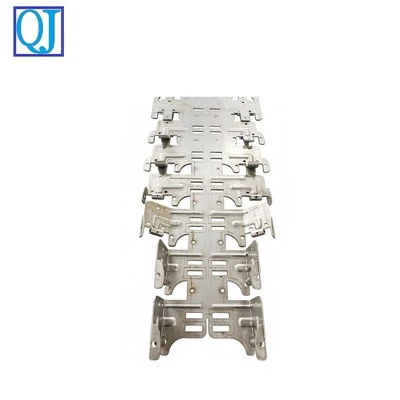
First, let’s start with the basics: what even is a garage door track, and why does it matter? You know those two metal rails on either side of your garage door, curving at the top to let the door roll up? That’s the track system. It’s the backbone of your garage door’s movement—without it, your door can’t open smoothly, and it’ll probably fall off its tracks (yikes, that’s a safety hazard). The tracks are made of galvanized steel for durability, but even the best steel can get messed up if something’s off. So why is that metal on metal (or metal on door) rubbing? Let’s go through the most common causes, in order of how often I see them.
The number one culprit? Misaligned tracks. I can’t tell you how many times I’ve gotten a call from someone saying their door is rubbing, and when I look at the photos they sent, the tracks are just a little off. Not way off—just enough. Here’s the thing: when tracks are installed, they need to be perfectly parallel to each other, and level from top to bottom. If one track is tilted just a quarter-inch more than the other, that little angle change means the door’s rollers can’t move along the track smoothly, so they rub against the track’s inner edge. A lot of DIYers try to adjust their own tracks with a wrench, but they don’t realize tracks have a “stop point” where the bolts hold them—over-tightening or under-tightening can throw them off. Last month, a guy from a suburb of Chicago told me he tried to align his tracks after his kid hit the garage door with a bike, and he ended up making one track an inch too high. By the time he reached out, the rollers were so worn down from rubbing that he had to replace both the rollers and the lower section of track. That’s a $200 mistake that could’ve been avoided if he’d checked the alignment properly.
Next up: bent or warped tracks. These tracks take a beating, honestly. If you park your car too close to the garage door, even a minor bump can bend the track just enough to make the door rub. Or if you have a garage with uneven ground, over time, the track can warp from the door’s repeated weight pulling on it. Even something as small as a loose roller in the door can cause stress on the track, leading to a bend. I had a customer in Dallas a while back who said his track was rubbing, and when our team went out to check, we found a 2-inch bend in the track right where the door curves up. He’d tried to straighten it with a hammer, but that just made the bend worse—now the door was rubbing every time it passed that spot. Bent tracks don’t just cause rubbing; they can make the door jump off the track entirely, which is a huge safety risk, especially if you have kids or pets in the garage.
Third reason: worn-out track hardware or rollers. The tracks aren’t the only moving parts here. The rollers that attach to the door and roll along the track—those things get old, too. If your rollers are made of plastic (a lot of cheap ones are), they can crack or flatten over time, which makes them wider than the track’s gap. When that happens, they rub against the sides of the track. Also, the bolts and brackets that hold the track to the wall—if those are loose, the track can shift slightly with every door movement, leading to constant rubbing. I see this a lot in older homes—garage doors that are 10, 15 years old, and the brackets have just come loose from drywall (wait, no, actually, they should be attached to wall studs, but sometimes cheap installs use drywall anchors that pull out). Last year, a retiree from Florida told me her door was rubbing so loud it woke her up at night, and when we checked, all three lower track brackets were only attached to drywall, not studs. The track was shifting every time the door moved, so it rubbed nonstop. She just needed new brackets and to reattach them to studs, but if we’d waited another month, the track would’ve bent so bad she’d need a whole new set.
Another big one: lack of lubrication. Wait, hold on—you might think lubrication is just for the hinges, but the tracks need it too. If you don’t lubricate your tracks regularly (I recommend every 6 months, even if the door seems fine), dust, dirt, and grime can build up in the track’s grooves. That stuff acts like sandpaper, so when the rollers move, they rub against the track’s metal instead of gliding smoothly. I can’t tell you how many times a customer has said “I lubed the hinges, but not the tracks” and that’s exactly the problem. Last week, a guy from Atlanta sent me a video of his door rubbing, and when I looked, the track was full of spider webs and garage floor dust. He used WD-40 on it, but wait—WD-40 is a degreaser, not a lubricant for metal rollers and tracks. It might temporarily stop the noise, but it actually washes away any existing good lubrication and can cause more buildup over time. You need a silicone-based lubricant or a garage door-specific lube for tracks. Using the wrong stuff here makes the rubbing worse.
Wait, what about the door itself? Sometimes the rubbing isn’t even the track being wrong—sometimes the door panels are warped, so they’re hitting the track. But no, wait, let’s stay on track (pun intended) here. As a track supplier, I’ve seen door warping, but that’s usually a separate issue. The rubbing almost always comes back to something with the track system. Oh, and one more thing: incorrect track size. A lot of people don’t realize there are different track gauges for garage doors. If you buy a cheap track that’s too thin, it can bend easily, or if you get a track that’s not the right height for your door, the gap between the track and the door is off, leading to rubbing. Last year, a new homeowner bought a “universal” track from a big box store, and it turned out to be 1/8 inch narrower than the track he needed for his 16-foot door. The rollers were too wide, so they rubbed against the track every time. He ended up returning the universal one and buying the exact match from our inventory, and the rubbing stopped immediately. That’s a common mistake—don’t go for universal, get the exact size for your door model.
Now, let’s talk about why you shouldn’t just ignore this rubbing. A lot of people think it’s just a noise issue, so they turn up the TV or leave the garage door open instead of dealing with it. But here’s the thing: that rubbing is causing wear on both the track and the door. Over time, the track will develop deep grooves from the roller rubbing, and you’ll have to replace the track entirely. If the rubbing gets bad enough, the roller can break, and the door can fall off the track—something I’ve seen, and it’s not pretty. I had a customer in Houston last year who ignored the rubbing for 3 months, and his door came off the track when his wife was opening it. The door slid into the side of the garage, causing $1,500 in damage to the door and the wall. That’s way more than it would’ve cost to fix the track alignment or replace a few rollers. Also, the noise can be a nuisance, but it’s also a sign that your garage door isn’t operating efficiently. It uses more electricity to open and close a door that’s rubbing, so you’re wasting money on your energy bill too.
So, what should you do if your garage door track is rubbing? Let’s break down quick fixes vs. when to call a pro. First, check for obvious stuff: is the track bent? If it’s a small bend, you can try gently bending it back with a rubber mallet—never use a regular metal hammer, because you’ll dent the track more. But if the bend is more than an inch, or it’s in the curved part of the track (the part that goes up to the ceiling), leave that to a pro. Then, check the rollers: if they’re plastic and look flattened or cracked, replace them. I’d recommend nylon rollers instead of plastic—they’re more durable and don’t flatten as easily. Next, check the track hardware: make sure the brackets are tight and attached to wall studs, not just drywall. If they’re loose, tighten the bolts, but don’t overdo it—you don’t want to crack the drywall or strip the bolt. Then, clean the track with a rag to get rid of dust and grime, and apply a silicone-based lubricant to the track’s groove. That should fix a lot of minor rubbing issues.
But if that doesn’t work, or if you see that the tracks are misaligned by more than a quarter-inch, or there’s a big bend in the track, don’t mess around. A lot of DIYers try to do their own garage door work, but the track system is part of the torsion spring assembly, which is under a lot of tension—mess that up, and you could get seriously hurt. That’s where we come in. As a garage door track supplier, we don’t just sell tracks—we help people figure out what’s wrong, whether they need a replacement track, new rollers, or just a little guidance on fixing the alignment.
Wait, let me make this personal. I started this company because I saw how many people were getting ripped off by big garage door companies that charge $300 to fix a track that could be aligned for $50, or sell you a whole new track when all you need is a new roller. I work directly with homeowners, contractors, and even new construction crews to provide high-quality, galvanized steel tracks that fit exactly, so you don’t have to deal with the rubbing issues that come with cheap, mismatched tracks. I’ve got 10 years of experience here, so I can tell you right away if your rubbing is from misalignment, a bent track, or worn rollers—no guesswork.
So, if you’re stuck with a garage door that won’t stop rubbing, don’t let it get worse. Whether you need a new replacement track, replacement rollers, or just tips to fix the alignment yourself, I’m here to help. You can reach out to us to chat about your issue, send over a photo or video of your track, and we’ll help you figure out the right solution for your needs. No pressure, no hidden fees, just straight talk from someone who’s in the business every day.
Wait, let me wrap this up so it flows naturally. Let’s recap: the most common reasons your garage door track rubs are misaligned tracks, bent tracks, worn rollers/hardware, lack of proper lubrication, and incorrect track size. Ignoring it leads to expensive damage, safety risks, and higher energy bills. Quick fixes can work for minor issues, but if it’s a bigger problem, a pro (or a good track supplier) can help. Don’t wait until your door comes off the track—reach out today to talk through your garage door track issues.
Furniture Hardware References:
- International Association of Home Inspectors. (2022). Garage Door and Track System Inspection Standards.
- Door and Hardware Institute. (2021). Residential Garage Door Track Installation and Maintenance Guide.
- U.S. Consumer Product Safety Commission. (2020). Garage Door Safety: Common Hazards and Prevention Tips.
- National Association of Home Builders. (2022). Garage Door Components and Maintenance Best Practices.
Kunshan Qunju Metal Products Co., Ltd.
As one of the most professional garage door track manufacturers and suppliers in China, we have world-leading production equipment and strong manufacturing capabilities. Please rest assured to wholesale premium garage door track in stock here from our factory. We also accept customized orders.
Address: No.63, Jindong Road, Jinxi Town, Kunshan City
E-mail: Andycsyy@126.com
WebSite: https://www.topmhm.com/
