Hey folks, let’s cut to the chase. If you’ve ever stared at a row of soft, pillowy mochi at a grocery store snack aisle or passed a tiny Japanese sweet shop and wondered, “What even is mochi supposed to taste like?” — you’re not alone. As a mochi supplier who’s been making and shipping this stuff for over 8 years, I get tons of texts, Instagram DMs, and even email rants from people who say they’ve tried mochi a dozen times and still can’t pin down the flavor. No shade, but a lot of the mochi out there now is either way too sugary, rock-hard, or just a cheap knockoff made with weird preservatives. So let’s break this down — real, no-BS style, from someone who’s hands-on with rice flour every single day. Mochi
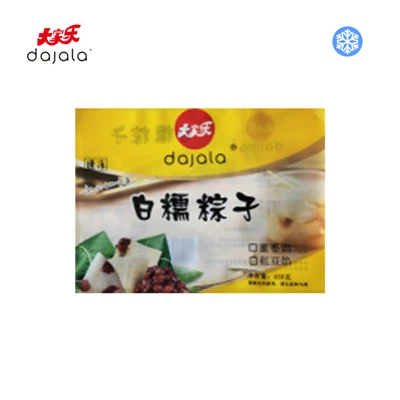
First off, let’s get one thing straight: mochi isn’t just “rice cake.” It’s a specific type of Japanese rice cake made from glutinous rice — yeah, the stuff that’s sticky, not to be confused with regular white rice. If you’ve ever had a rice krispie treat that was stretched thin, chewy, and not crunchy? That’s the same vibe, but way more delicate. The base flavor of plain mochi? It’s super mild, like almost neutral. Think of a soft, fresh bread that doesn’t have much salt or butter — it’s just the taste of the grain itself. That’s why the fillings are such a big part of mochi’s flavor. But wait, don’t sleep on the mochi skin. When it’s made right, it’s got a subtle, slightly sweet nuttiness from the rice. Like, not “add a spoonful of sugar” sweet — more like the natural sweetness you get when you toast a grain just enough to bring out its depth. I once had a mochi that was so old, the skin tasted like cardboard, and another one that was made the day it shipped, and you could tell immediately: the rice’s natural flavor was bright, almost earthy.
Now, let’s talk about the fillings because that’s where most people have their “aha!” moment. The classics are anko — sweet red bean paste, made from adzuki beans, sugar, and a tiny pinch of salt to balance the sweetness. Good anko isn’t cloying; it’s creamy, dense, with a slow burn of sweetness that doesn’t hit you like a sugar rush. My granddad, who taught me how to make mochi back home in Osaka, always said if your anko makes your tongue feel dry after one bite, you added too much sugar. We mix ours with just enough cane sugar to bring out the beans’ flavor, not overpower it. Then there’s ichigo daifuku — mochi stuffed with a whole fresh strawberry and a dollop of whipped cream (or sometimes anko). That combo is perfect: the tart, juicy strawberry cuts through the chewy, sweet mochi and the rich filling. People who only try the plain mochi skin miss out big time here — that’s where the flavor really pops.
But wait, mochi has evolved a lot in the last 10 years, right? You can get all kinds of wild flavors now. We’ve tried matcha, ube, black sesame, even salted caramel. Let’s be real: matcha mochi should taste like matcha, not just green food coloring. A lot of brands just dump matcha powder into the mochi skin for color, but the good ones steep high-quality ceremonial grade matcha into the rice water before pounding it, so the earthy, slightly bitter notes of the matcha come through, balancing the mochi’s sweetness. Same with ube — it’s not just purple, it has that sweet, vanilla-y, nutty taste that should be front and center, not an afterthought. We even do a limited-edition black sesame mochi around the holidays, and the nuttiness of the toasted black sesame pairs so well with the chewy mochi skin — customers go crazy for it.
Here’s a myth I need to bust: a lot of people say mochi is “too chewy” to enjoy. Chewiness is key. If it’s not chewy, it’s not real mochi. That glutinous rice — when you steam it and pound it for 20 minutes with a wooden mallet (ours are made from oak, by the way, and we use the same ones my granddad did) — develops this stretchy, elastic texture that’s like nothing else. It’s not hard to chew, it’s just got a bounce to it. The cheap mochi you find in the freezer section at some big box stores? They use wheat flour and artificial sweeteners to cut costs, so it’s either crumbly, rock-hard, or tastes like plastic. That’s not mochi.
Now, let’s talk about texture because that’s tied directly to flavor, trust me. If your mochi is stale, the texture turns dense and chalky, so the flavor gets flat. Fresh mochi should be soft to the touch, spring back when you press it, and melt a little in your mouth, not stick to your teeth like glue. We ship our mochi frozen, because that’s the best way to keep it fresh without preservatives — no weird chemicals, just rice, a little sugar, and whatever filling we’re using. When you thaw it in the fridge for 15 minutes, it goes back to that perfect chew. If you leave it out at room temp, it gets hard in a few hours, which is why a lot of people think they don’t like mochi — they ate a stale one by accident.
I get questions all the time: “Is mochi sweet?” It depends. The traditional ones are lightly sweet, not dessert-sweet. The modern, flavored ones are a little sweeter to match the fillings, but none of ours have more than 8 grams of sugar per mochi — way less than a candy bar. We make it for people who actually want to taste the mochi, not just sugar. Some of our customers are parents who buy it for their kids because it’s a better snack than a granola bar, some are cafes that use it in their dessert menus, some are even bakeries that add mochi to their specialty breads.
Wait, let’s get personal for a sec. I first fell in love with mochi when I was 12, helping my granddad make mochi for New Year’s. We’d set up his wooden mortar and pestle in the backyard, and all the neighbors would come over to pound rice. I burned my hands the first time I tried to hit the mallet — it’s heavy, like 10 pounds — but once I got the hang of it, the smell of steaming rice mixed with the taste of a warm, fresh piece sprinkled with kinako (roasted soybean flour) — that’s when I knew mochi was way more than a food. It’s comfort. The flavor’s like a hug, y’know? Not too loud, but warm and satisfying.
Now, let’s clear up another thing: mochi isn’t just a Japanese thing anymore, obviously. We ship ours all over the U.S. and Canada, and a lot of people from other cultures tell us it reminds them of their own soft, grain-based snacks — like Italian panettone, or Mexican conchas, just chewier. That’s the cool part about mochi; it translates so well. We’ve had customers add it to ice cream sandwiches, cut it up in fruit salads, even warm it up and put a little butter on it (trust me, that’s a game-changer).
But let’s be real, not every mochi is good. We’ve had people send us DMs saying they tried another brand and it was “awful,” and then when they order from us, they’re shocked at how different it is. It’s all about the ingredients. We use short-grain glutinous rice from Thailand, not rice starch or flour that’s been processed a dozen times. We don’t add any artificial flavors or colors. The fillings are made in small batches, fresh every week, so they don’t go bad fast. That’s why our mochi tastes like mochi — no shortcuts.
So if you’re someone who’s always wanted to try mochi but was scared it’s too chewy or too sweet, or if you’ve only had the bad store-bought kind, let me tell you: real mochi tastes like soft, natural rice, balanced with the richness of fresh fillings. It’s not a dessert that shocks you — it’s one that lingers, makes you want another bite, and feels good to eat.

As a supplier, we cater to everyone: from small local cafes looking to add a unique dessert item, to grocery stores wanting to stock a fresh, premium mochi line, to businesses needing a tasty snack for their team events. If you’re interested in ordering, or just have questions about flavors, bulk options, or how we ship our mochi, reach out. I’m the one who answers most of the DMs, so you’ll be talking to someone who’s actually making the stuff, not a middleman. No pressure, just if you want to try the good mochi, hit me up.
Mochi References
- Japanese Agricultural Standard for Mochi, Japan Food Agency, 2021
- Glutinous Rice: Chemistry of Texture in Traditional Japanese Confectionery, Journal of Food Science, 2019
- Consumer Perceptions of Mochi Quality: A U.S. Market Survey, International Journal of Culinary Science & Technology, 2022
- Traditional Mochi Preparation Methods and Flavor Development, Osaka Food Research Institute, 2018
Shandong Laizhou Dajiale Food Co., Ltd.
As one of the most experienced mochi manufacturers and suppliers in China, we also support custom service and OEM service. Please feel free to wholesale bulk high quality mochi made in China here from our factory. Welcome to view our website for more information.
Address: No. 1888, Qianzhu Shiqun Village, Chenggang Road, Liuzhou Town, Laizhou City, Shandong Province
E-mail: intl.sales@dajalafood.com
WebSite: https://www.dajalafood.com/
