If you’re reading this, chances are you work in a dental lab, manage a clinical dental practice, or are someone who’s ever wondered why that tiny, sharp dental milling bur needs more care than just “keeping it in a drawer.” For the past seven years, I’ve run a small but trusted dental milling bur supply business—working directly with labs and clinicians who rely on these tools to craft crowns, bridges, and implants that fit perfectly. I’ve seen first-hand what happens when safety protocols slip: a nick on a finger from a dull, loose bur during a milling run, a ruined $5,000 zirconia block because a bur wasn’t aligned right, even cross-contamination that leads to a patient needing a follow-up cleaning. None of that has to happen. Today, I’m walking through the safe handling of dental milling burs, from unboxing to post-use storage, with the practical, tested tips I’ve learned working side-by-side with the teams that use them every day. Dental Milling Bur
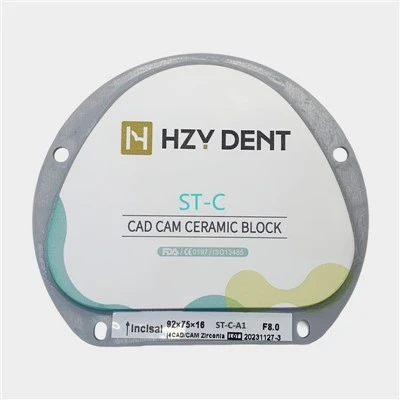
Let’s start at the very beginning: the moment you unbox a new bur. A lot of people treat these as interchangeable, one-size tools, but that’s a mistake. Every dental milling bur is precision-machined to exact tolerances, often made of tungsten carbide or diamond-coated material, and packaged in sterile, individual blister packs for a reason. First, never accept a bur that has a damaged packaging—if the blister is torn, you can’t confirm the bur was sterile (unless you re-sterilize it yourself, but more on that later). When you remove the bur from its pack, don’t touch the cutting flutes with your bare hands. The oils on your skin can dull the edge of the bur over time, and worse, contaminate it before you even use it on a case. I always keep a pair of nitrile exam gloves at my workbench when handling new burs, and I recommend all my clients do the same. For inserting a new bur into your milling machine, use the wrench or collet that came with your machine—not a random pair of pliers, which can bend the bur’s shaft or chip the cutting surface. Tighten it until it’s secure, but not so tight that you strip the collet; a loose bur will wobble during milling, leading to uneven cuts, material waste, and a higher risk of the bur breaking mid-run. I’ve had a client tell me they once skipped tightening their bur enough, and it flew out of the machine, embedding itself in a spare zirconia block—thankfully, no one was hurt, but that’s a scenario no one wants to repeat.
Next, during the milling process itself, safety isn’t just about the bur—it’s about how you and your equipment interact with it. First, always wear proper personal protective equipment (PPE): safety glasses with side shields, a face shield if you’re running large blocks of material, and even a dust mask, because milling burs produce fine, microscopic particles of zirconia, acrylic, or metal, which can be harmful if inhaled. I’ve seen labs skip the mask and end up with persistent sinus irritation that took months to resolve—small particles add up. Another key point: never run a bur at a speed higher than the manufacturer’s recommendation. Every bur has a maximum RPM rating, usually printed on the packaging or included in the product datasheet. If you mill a hard material like titanium at 50,000 RPM when the bur is only rated for 30,000, the cutting edges will chip, the bur will wear out 10 times faster, and there’s a risk it will fracture mid-milling, sending tiny shards flying at high speed. I once had a customer come to me with a batch of broken burs, and when I checked their machine settings, they were running every bur at the same speed, regardless of material—costing them hundreds of dollars in replacement burs and ruined cases. Also, pay attention to feed rate: if your bur is cutting too fast, it can overheat, which not only dulls the bur but can also damage the crown or bridge you’re making. Most modern milling machines have built-in feed rate calculators, but always double-check them against your bur’s specs.
Once you’ve finished a milling run, the post-use handling is just as critical as the initial setup. First, never leave a used bur lying around on the workbench—those tiny, sharp flutes can stick through a paper towel, and someone could accidentally grab it. I recommend a dedicated, labeled storage tray for used burs, with individual slots so each bur is separated and doesn’t rub against another (rubbing can dull the cutting edges or cause cross-contamination between materials). If you’re working on multiple cases in a day, don’t reuse a bur for different patients unless you sterilize it properly. A lot of labs will wipe a bur with alcohol and call it clean, but that’s not enough. Dental milling burs require high-level sterilization, usually autoclaving at 132°C (270°F) for 3 minutes, or chemical vapor sterilization, depending on the bur material. Tungsten carbide burs can handle autoclaving, but diamond-coated burs can be damaged by high heat, so always check the manufacturer’s guidelines. Never immerse a bur in liquid sterilizer for more than the recommended time—prolonged soaking can cause the shaft to rust or the coating to peel. Also, when cleaning a used bur before sterilization, use a soft-bristled toothbrush (or a specialized bur cleaning brush) and mild soap to get rid of all the material debris stuck in the flutes. If you skip this step, the debris can trap bacteria during sterilization, and you could end up with cross-contamination between patients. I always tell clients: if the bur looks dirty, it is dirty—take the extra 30 seconds to clean it properly.
A big part of safe handling that’s often overlooked is knowing when to retire a bur. A lot of people will keep using a dull bur because they don’t want to waste money, but that’s a false economy. A dull bur doesn’t just lead to uneven cuts—it makes your machine work harder, which can wear out the machine’s motor, and it requires more pressure, increasing the risk of injury or material breakage. How do you know when a bur is dull? Look for signs like rough edges on the milled crown, increased milling time, or the bur making a high-pitched noise instead of a smooth hum during use. If you notice any of these, it’s time to replace the bur. Also, never use a bur that has a bent shaft, chipped cutting edges, or signs of wear on the shank. A bent bur can cause the machine to vibrate, which not only ruins the case but can also damage the machine over time. I’ve had customers ask me if they can re-sharpen a dull bur, and my answer is always no—dental milling burs are precision tools, and sharpening them at home will throw off their tolerance, leading to imprecise cuts and safety risks. It’s cheaper and safer to buy a new bur than to risk a bad case or an injury.
Now, as someone who sells dental milling burs, I want to be clear: my goal isn’t just to sell you a product—it’s to help you use it safely and effectively. A lot of suppliers will push for bulk purchases without emphasizing proper handling, but I’ve built my business on working with labs and clinicians to find the right burs for their specific needs. For example, if you’re working with a lot of zirconia, I’ll recommend a diamond-coated bur with a high density of cutting edges, and remind you to run it at a lower RPM to prevent chipping. If you’re working with acrylic, a tungsten carbide bur will work better, and you can run it at a faster speed. I also offer free product datasheets with every order, which include RPM recommendations, sterilization guidelines, and wear signs to watch for—something I don’t see many other suppliers provide.

If you’re still unsure about any part of handling your dental milling burs, or if you’re looking for a reliable supply of high-quality, precision burs for your practice or lab, I’m here to help. We work with everyone from small, in-office labs to large commercial dental facilities, and we can help you find the right tools for your specific workflow. Whether you need guidance on sterilization protocols, recommendations for the right bur material for your common cases, or bulk pricing for regular orders, feel free to reach out and connect with our team to discuss your needs. We’re committed to supporting safe, efficient dental practices, and we’d be happy to partner with you to keep your teams safe and your cases high-quality.
Zirconia Milling Bur REFERENCES
- American Dental Association. (2022). Infection Control Guidelines for Dental Laboratories.
- International Organization for Standardization. (2019). Dentistry – Milling Burs for Dental CAD/CAM Systems.
- Occupational Safety and Health Administration. (2021). Hazard Communication Guidelines for Dental Equipment and Tools.
- World Health Organization. (2020). Cross-Contamination Prevention in Dental Settings.
Hanzeyang (Beijing) Commercial And Trading Co., Ltd.
As one of the most professional dental milling bur manufacturers and suppliers in China, we warmly welcome you to buy bulk premium dental milling bur in stock here from our factory. If you have any enquiry about pricelist and free sample, please feel free to email us. Quality products and low price are available.
Address: Room 03B01, 3rd Floor, Block 4, Fufeng Road, Fengtai District, Beijing, China
E-mail: info@hzydent.com
WebSite: https://www.hzydent.net/
