Hey everyone, if you’ve ever grabbed a crate of ice-cold beers from a store or visited a brewery’s back storage, you’ve definitely noticed those weird little holes all over the plastic sides and base. I’m [your company name here]—we’ve been making these crates for local breweries and big liquor distributors for years, and I swear, when I first started, I thought they were just there to make the crates lighter or maybe even a marketing gimmick (like, “look how perforated!”). Spoiler: I was so wrong. These holes aren’t random—they’re basically the unsung heroes of why your beer stays safe, cold, and easy to move around, even when you’re hauling a crate full of glass bottles that cost way more than your weekly grocery run. Let’s break this down, since I get so many emails from brewers asking, “Why not just solid sides? It’d be sturdier!” No, trust me, solid sides would be a disaster. Plastic Beer Crate

First off, let’s talk about something that’s non-negotiable for beer: temperature. Beer tastes like garbage if it’s warm, especially craft beer that’s been carefully brewed to hit that crisp, hoppy sweet spot. Those holes do most of the heavy lifting here. Back when we still used wooden crates (yes, we old heads remember those), they’d get moldy, hold water, and take forever to dry out—especially if you left them outside in a sudden summer rainstorm. Plastic crates are way better, but without holes, they’d trap all that moisture and heat like a tiny sauna for 24 beer bottles. Think about it: if you stack a crate in a delivery truck in 90°F weather, a solid plastic crate would hold all that heat from the other crates piled on top, and your beer would go from “refreshing” to “skip the beer, I’ll have a soda” in an hour. The holes let air circulate—so when you’re hauling them, or they’re sitting in a warehouse, or they’re chilling in your cooler at a cookout, that cross-flow of air keeps every bottle at a consistent temperature. I’ve seen a local IPA maker test this once: they ran two crates of the same beer, one with holes, one without. The holeless one was 10°F warmer after 6 hours in a delivery truck. That’s not a small difference—beer is sensitive, people.
Then there’s drainage, which ties right into temperature but is its own big deal. Breweries and distributors handle tons of water—for washing bottles, cleaning lines, even just the condensation that forms on cold beer when you pull a crate from a cold storage unit. If there were no holes, all that water would pool at the base of the crate, sitting right under the beer bottles. Glass bottles have labels, right? Those labels get soggy, peel off, and then you’ve got crates caked with sticky, peeling label glue that’s a nightmare to clean for reuse. Also, that pooled water would make the crates heavier—way heavier. We do weigh tests every month for our crates, and a crate that’s holding extra water can be 5+ pounds heavier than a dry one. Multiply that by 1,000 crates in a delivery truck, and that’s extra fuel costs, extra wear on the truck, and extra work for the guys loading and unloading. No one wants to be lifting a 40-pound beer crate instead of 35, trust me. The holes let all that water drain out immediately—so the crates stay light, clean, and your labels stay intact. I’ve had a brewer tell me that since switching to our holey crates, their label damage dropped by almost 80%. That’s money saved, right there.
Wait, let’s not forget about handling and safety—this is the part that surprised me the most when we started working with ergonomics experts. Those holes aren’t just random circles; they’re strategically placed (usually 6 on the sides, 4 on the base, depending on the crate size) so that when you grab a crate, your fingers fit right into the holes. I’ve seen guys try to lift a crate without grabbing the holes, and they slip—hard. Plastic can be slippery, especially if it’s wet or has beer foam on it. The holes give you something to grip, even when your hands are a little wet. Also, when you’re stacking crates, the holes on the bottom of one crate fit into the ridges on the bottom of the crate below? No, wait—actually, the holes on the sides make it so crates don’t slide when they’re stacked. If the sides were solid, two crates stacked on a truck or in a warehouse would shift if there’s even a tiny bump. The holes let the top crate “lock” a little into the bottom one, so they’re stable. I’ve heard horror stories from distributors where a whole stack of solid-sided crates fell over in a delivery, breaking 200+ bottles and making a huge mess. Our crates haven’t had that issue in years. Oh, and another safety thing: ventilation also helps with pressure. Wait, glass bottles expand when they get warm, right? If a crate is sealed up tight, the pressure inside can build a little, and that’s when bottles can crack. The holes let that small pressure escape before it becomes a problem. Small, but important—no one wants a broken bottle in a crate that’s being loaded onto a truck.
Let’s be real, too: these crates get tossed around. Breweries don’t handle them with kid gloves—they’re thrown, dropped, stacked, dragged. The holes aren’t just for utility; they make the crate lighter overall. A lighter crate is easier to move, which reduces wear and tear on the plastic itself. If we made crates with solid sides and base, they’d be so heavy that the plastic would crack faster from being dropped. Lighter crates also mean less strain on the mold parts when we’re manufacturing them, which keeps the cost lower for our customers—win-win. I always tell brewers: “I don’t sell you a holey crate, I sell you a crate that’s designed to last 10+ trips, not just one.” The holes help with that durability, believe it or not—solid plastic flexes less when it’s dropped, so it cracks easier. The perforations give a little, absorbing some of that impact. We’ve tested our crates by dropping them from 6 feet onto concrete (don’t worry, we only test with empty ones) and the holey ones hold up way better than solid-sided prototypes we tried a while back.
Wait, I should address the question I get a lot from homebrewers too—they ask, “Can I use one of these for my homebrew supply?” Sure, but if you’re moving glass carboy or buckets, the holes help with ventilation there too. But for commercial use? Those holes are non-negotiable. Let’s also not talk about cleaning and sanitizing, which is huge for breweries. The food and beverage industry has super strict rules about cleaning equipment, right? Solid-sided crates would be impossible to get clean—water and sanitizer would get trapped in every nook and cranny, and mold or bacteria would grow in there. The holes let every part of the crate get rinsed and sanitized, so there’s nowhere for gunk to hide. That’s a big deal for food safety, and we don’t cut corners on that when we’re making our crates. I’ve been in the industry for 15 years, and I’ve seen crates that didn’t have proper ventilation get rejected by health inspectors—no brewer wants that headache.
Now, let’s get to the part that makes this all make sense: none of this is an accident. When we design our plastic beer crates, we work with both logistics teams and brewery quality control teams to figure out exactly how many holes, where to put them, what size they should be. Too few holes, and you lose all the temperature and drainage benefits. Too many holes, and the crate isn’t sturdy enough to hold 24 bottles (some even hold 30, depending on the size). We found that for our standard 24-bottle crates, 6 side holes (3 on each long side) and 4 base holes are the sweet spot. We did a prototype once with 8 side holes, and the crates started bending when stacked full—so we dialed it back. It’s all about balance.
A lot of people think beer crates are just a commodity, something you buy because you need to move bottles, but they’re way more complex than that. The next time you grab a crate of beers at a party, take a second to look at the holes. Maybe run your fingers through them, feel how easy it is to grip. Think about how that crate traveled from a brewery in [local region] to a distributor to the store, and all the times it was loaded and unloaded, and the beer inside stayed cold and intact the whole time. That’s what those holes do—they’re not just holes. They’re the reason your beer is as good as the brewer intended.
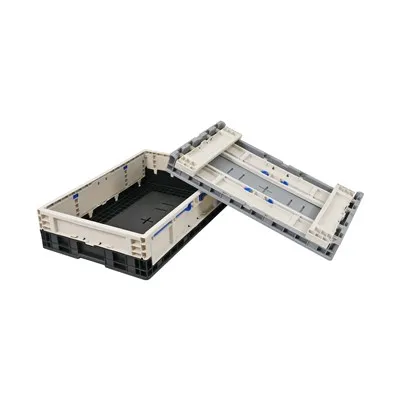
If you’re a brewer, distributor, or liquor store owner looking to upgrade your crate setup, we’d love to chat. We make crates that fit all standard beer bottles, and we can customize sizes if you need something for a specific brand. We also offer bulk pricing for big orders, and we use recycled plastic for most of our production—so it’s eco-friendly too, if that’s something you care about. We’re not just a supplier; we work with our customers to figure out what they actually need, not just sell them whatever’s cheapest. If you want to talk through your crate requirements, shoot us a message, and we’ll get back to you as soon as we can. No jargon, no sales pitches—just real talk about moving beer safely and efficiently.
Plastic Glass Rack References:
- National Brewing Association. (2021). Modern Beer Packaging Logistics: Efficiency and Quality Control.
- Ergonomics Society. (2019). Manual Handling Design for Food and Beverage Supply Chains.
- Plastic Packaging Association. (2020). Sustainable Design Features in Reusable Plastic Crates.
- Brewers Association. (2022). Temperature Control Best Practices for Craft Beer Distribution.
Shanghai Qusheng Plastics Co., Ltd.
As one of the leading plastic beer crate manufacturers and suppliers in China, we have world-leading production equipment and strong manufacturing capabilities. Please rest assured to wholesale customized plastic beer crate from our factory. For quotation, contact us now.
Address: No.85 Hengtang Road, Huaqiao Town, Kunshan City, Jiangsu Province
E-mail: Totepallet-inquiry@plastic-crate.com
WebSite: https://www.totepallet.com/
