If you’ve ever stood in a busy hardware store’s loading bay, watching a homeowner struggle to cram a 10-foot length of PVC pipe into a compact sedan, or stared down at a stack of landscape timbers that simply won’t fit through a car’s trunk opening, you’ve probably asked a simple question: do light trucks actually have more storage space than cars? As someone who’s spent the last 12 years working as a light truck supplier, testing, building, and refining the vehicles that fill those bays, I can tell you the answer isn’t just a matter of raw cubic feet—it’s a design choice rooted in how people work, move, and store things on a daily basis. Light Truck
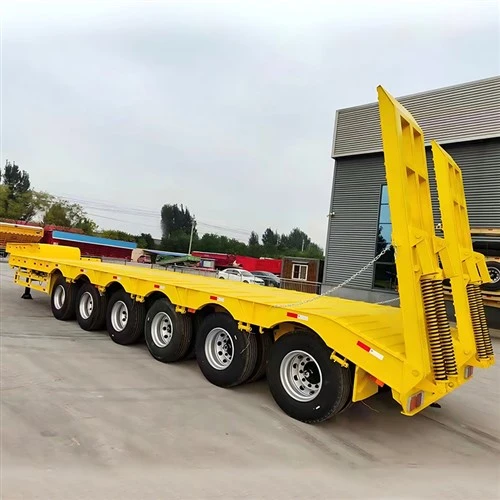
First, let’s clear up the basic definition, because “light truck” and “car” aren’t just marketing terms—they’re classified by the U.S. Environmental Protection Agency (EPA) and the National Highway Traffic Safety Administration (NHTSA) based on structure and intended use. Light trucks include pickups, cargo vans, and many utility vehicles, with gross vehicle weight ratings (GVWR) under 10,000 pounds, while cars are passenger vehicles designed primarily for personal travel. That core difference in purpose is where the storage gap starts.
Raw storage volume is one of the most measurable gaps, and the numbers don’t lie. Let’s take a common example: a mid-size sedan vs. a standard light-duty pickup. A 2024 Toyota Camry, one of the best-selling sedans in North America, has a trunk volume of 15.1 cubic feet. That’s enough for a couple of carry-on suitcases, maybe a folded stroller, but try fitting a full 4×8-foot sheet of plywood—cut it in half, and even then, it won’t lie flat inside the trunk without hanging over the edge. Now, compare that to a light truck like the Ford Ranger, a midsize pickup that’s a close match to the Camry in overall vehicle size. Its standard 5-foot bed offers 51.8 cubic feet of storage, and you can extend it to 72.8 cubic feet with an optional extender to fit that full sheet of plywood. A cargo van, another type of light truck, takes this even further: a Mercedes-Benz Metris cargo van has a 189 cubic foot cargo area, enough to move a small apartment’s worth of furniture without disassembly.
But raw cubic feet only tells part of the story. Storage isn’t just about how much space you have—it’s about how usable that space is, and that’s where light trucks pull even further ahead. Cars are designed with aerodynamics, passenger comfort, and pedestrian safety in mind, which limits their storage. A sedan’s trunk is integrated into the body, so its shape follows the car’s sloped rear roofline, creating curved, wasted space that’s hard to use for large or awkward items. The opening is also narrow, so you can’t slide in a big box or a length of pipe without angling it carefully. Light trucks, by contrast, have separate cargo areas (pickup beds) or large, flat cargo bays (cargo vans) with wide, unobstructed openings. Many light truck beds also feature tie-down points, so you can secure equipment without it sliding around while you drive—something most cars don’t have. Even passenger-oriented light trucks, like crew cab pickups, often have under-seat storage bins and locking bed compartments, which add usable space for tools, coolers, or valuables that you don’t want left exposed.
Of course, some people argue that modern sedans and SUVs (which are often classified as light trucks) have just as much storage. It’s true that many compact SUVs offer around 30 cubic feet of cargo space behind the rear seats, and up to 70 cubic feet when the seats are folded down. But here’s the catch: SUVs are still built around a passenger car platform, so their storage space is constrained by the need to fit rear seats, fuel tanks, and AWD systems. That means even with the seats folded, you often have a high load floor, small wheel wells that intrude into cargo space, and a tailgate that’s lower than a pickup bed’s, making it harder to lift heavy items. A light truck’s bed, by comparison, sits level with the tailgate, so you can slide a refrigerator or a stack of boxes in and out without lifting as much. That usability difference adds up fast for anyone who moves heavy or bulky items regularly.
I’ve seen this play out firsthand with our customers. A few years ago, we started working with a local landscaping company that was using full-size sedans to transport tools and materials. They were constantly damaging their cars—tools sliding around dented doors, trunk lids breaking from the weight of mulch bags. They made the switch to our light-duty pickups, and within six months, they reported 40% fewer vehicle repairs, because they could store tools in locking bed compartments instead of the passenger cabin. They also stopped needing to make extra trips for mulch or soil, because the pickup’s larger bed let them carry 20% more material at once. That’s the real value of the extra storage in a light truck: it doesn’t just hold more stuff—it saves time, money, and hassle.
But it’s not all one-sided. There are situations where a car’s storage is more than enough. For a family of four who only occasionally carries a stroller or a suitcase for a weekend trip, a sedan’s 15 cubic feet is more than sufficient. Cars are also smaller, easier to park in tight urban spaces, and more fuel-efficient for short commutes, so they make sense for people whose primary use is personal travel. The storage gap between light trucks and cars is a function of intended use, not a flaw in either vehicle type.
That’s why, as a light truck supplier, we spend a lot of time designing storage solutions that fit real needs, not just marketing numbers. We don’t just add bigger beds—we make beds with integrated dividers to keep tools organized, we add LED lights in cargo bays so you can load after dark, we make tailgates that can double as workbenches for contractors on job sites. These are the small, practical touches that make a light truck’s storage far more useful than a car’s, even when the cubic feet are similar.
If you’re in the market for a vehicle and trying to decide between a car and a light truck, storage should be one of your top considerations. Think about what you use your vehicle for: if you regularly move large items, tools, or equipment, or if you often make trips to the hardware store, nursery, or job site, the extra storage of a light truck will pay for itself in time and convenience. If your vehicle is mostly for commuting and weekend trips, a car’s storage will likely meet your needs.

For anyone ready to explore the right light truck storage solution for their business or personal use, we’re here to walk through your needs, show you how our vehicles’ storage spaces work, and help you find the perfect fit. Don’t hesitate to reach out to connect with our team to discuss your requirements.
Water Tank Truck References
- U.S. Environmental Protection Agency. (2023). Light Duty Vehicle Classification and Fuel Economy Standards.
- National Highway Traffic Safety Administration. (2022). Light Truck Crash Worthiness and Storage Design Guidelines.
- Automotive News Research & Data Center. (2024). 2024 Light Duty Pickup and Sedan Cargo Volume Comparison Report.
- Society of Automotive Engineers. (2023). Vehicle Storage Usability Metrics for Light Commercial Vehicles.
Owin Vehicles Co., Ltd.
As one of the most professional light truck manufacturers and suppliers in China, we also support customized service. With abundant experience, we warmly welcome you to wholesale advanced light truck for sale here from our factory. Quality products and low price are available.
Address: Room 2428, Building 3, Aosheng Building, Licheng District, Jinan City, Shandong Province
E-mail: Owinvehicle@163.com
WebSite: https://www.owintrailer.com/
