Hey there, folks! As a supplier of lock nut hydraulic cylinders, I often get asked about how to improve the durability of those lock nuts. Well, you’re in the right place because I’m gonna share some tried – and – true tips with you. Lock Nut Hydraulic Cylinder

First off, let’s understand why durability matters. A hydraulic cylinder is a workhorse in many industrial applications. It’s used in construction equipment, manufacturing machinery, and a whole bunch of other places. The lock nut on a hydraulic cylinder plays a crucial role in keeping everything in place. If the lock nut fails, it can lead to all sorts of problems, like leaks, reduced performance, and even safety hazards. So, it’s super important to make sure that lock nut lasts as long as possible.
Material Selection
One of the most fundamental aspects of improving lock nut durability is choosing the right material. You can’t just go for any old metal. Different materials have different properties, and you need to pick one that can withstand the conditions your hydraulic cylinder will be operating in.
Stainless steel is a popular choice. It’s corrosion – resistant, which is great if your cylinder is going to be exposed to moisture, chemicals, or harsh weather conditions. For example, in marine applications or outdoor construction sites, stainless steel lock nuts can hold up really well. They don’t rust easily, so you won’t have to worry about the nut weakening due to corrosion over time.
Alloy steel is another option. It’s known for its high strength and toughness. If your hydraulic cylinder is under a lot of stress, like in heavy – duty machinery that’s constantly under high pressure, alloy steel lock nuts are a good bet. They can handle the load without deforming or breaking easily.
When you’re selecting the material, also think about the surface finish. A smooth surface finish can reduce friction, which in turn can prevent wear and tear. Some lock nuts come with special coatings that further enhance their resistance to corrosion and abrasion.
Proper Installation
You know what they say, "You can’t build a good house on a bad foundation." Well, the same goes for lock nuts on hydraulic cylinders. Proper installation is the key to ensuring their durability.
First, make sure the threads on both the cylinder and the lock nut are clean and free of debris. Any dirt, rust, or other contaminants can cause the threads to wear out faster. You can use a wire brush or a thread cleaner to get rid of any gunk.
Next, use the right tools for the job. A torque wrench is a must – have. Over – tightening or under – tightening the lock nut can lead to problems. If you over – tighten it, you might damage the threads or cause the nut to crack. On the other hand, if you under – tighten it, the nut might loosen over time due to vibrations. So, follow the manufacturer’s recommended torque specifications.
It’s also a good idea to use a thread – locking compound. This stuff helps to keep the lock nut in place by creating a strong bond between the threads. There are different types of thread – locking compounds available, so choose one that’s suitable for your application. For example, if your cylinder operates at high temperatures, you’ll need a high – temperature – resistant compound.
Regular Maintenance
Just like your car needs regular oil changes and tune – ups, your lock nut on the hydraulic cylinder needs some TLC too. Regular maintenance can significantly extend its lifespan.
Inspect the lock nut regularly. Look for signs of wear, such as stripped threads, cracks, or deformation. If you notice any damage, it’s best to replace the lock nut immediately. Don’t wait until it fails completely, because that can cause more serious problems.
Clean the lock nut and the surrounding area regularly. This helps to prevent the buildup of dirt, grime, and other contaminants that can cause corrosion and wear. You can use a mild detergent and a soft brush to clean the nut, and then dry it thoroughly.
Lubrication is also important. A little bit of lubricant can reduce friction between the threads and prevent them from seizing up. However, make sure you use the right type of lubricant. Some lubricants can react with the metal and cause corrosion, so do your research before applying any.
Understanding the Operating Environment
The operating environment of your hydraulic cylinder can have a big impact on the durability of the lock nut. For example, if the cylinder is in an area with a lot of dust or dirt, the lock nut is more likely to get clogged and worn out. In such cases, you might want to consider using a protective cover for the lock nut.
If your hydraulic cylinder operates in a high – vibration environment, the lock nut can loosen over time. To combat this, you can use a lock – washer or a double – nut arrangement. A lock – washer creates a spring – like tension that helps to keep the nut in place, while a double – nut arrangement involves using two nuts tightened against each other to prevent loosening.
Temperature is another factor to consider. Extreme heat or cold can affect the properties of the lock nut material. In high – temperature environments, the metal can expand, which might cause the nut to loosen. In cold environments, the metal can contract, which might lead to cracking. Make sure you choose a lock nut material that can withstand the temperature range of your application.
Training and Education
Another important aspect that often gets overlooked is training and education. If your employees or technicians don’t know how to handle the lock nut properly, it can lead to premature failure.
Provide training on proper installation techniques, maintenance procedures, and how to identify signs of wear and damage. Make sure they understand the importance of using the right tools and materials. With proper training, you can ensure that your lock nuts are installed and maintained correctly, which will improve their durability.
Conclusion
So, there you have it, folks! Improving the durability of a lock nut on a hydraulic cylinder isn’t rocket science. By choosing the right material, installing it properly, performing regular maintenance, understanding the operating environment, and providing training, you can significantly extend the lifespan of your lock nut.
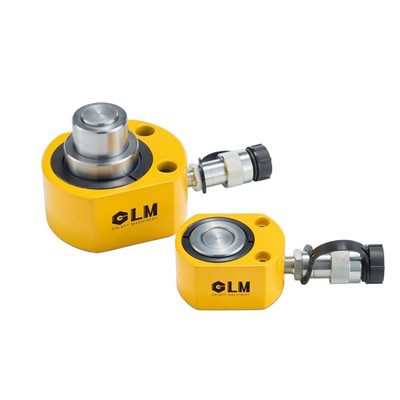
If you’re in the market for high – quality lock nut hydraulic cylinders or have any questions about how to make your lock nuts last longer, I’d love to chat with you. Don’t hesitate to reach out for a procurement discussion. We’re here to help you get the most out of your hydraulic systems.
Other Hydraulic Jack References
- Machinery’s Handbook: A comprehensive reference for mechanical engineers and technicians, which provides detailed information on fasteners, materials, and installation techniques.
- Hydraulic Cylinder Manufacturer’s Guides: These guides offer specific advice on the care and maintenance of hydraulic cylinders and their components.
- Industry Standards and Publications: Various industry associations publish standards and best – practice guidelines for hydraulic systems, including information on lock nuts.
Taizhou Galaxy Machinery Co., Ltd.
Taizhou Galaxy Machinery Co., Ltd. is one of the leading lock nut hydraulic cylinder manufacturers and suppliers in China. We warmly welcome you to wholesale cheap lock nut hydraulic cylinder for sale here from our factory. Good service and reasonable price are available.
Address: 18 Jiulong Road, Jiulong Town, Hailing District, Taizhou City, Jiangsu Province,China
E-mail: sales03@galaxy-machinery.com
WebSite: https://www.galaxy-machinery.com/
