If you’ve ever spent an autumn afternoon hauling bagged branches to the curb only to stare at a pile of half-shredded wood chips that still look like they belong in a tree, you’ve asked yourself the same question every branch shredder owner does: How often should I sharpen my shredder blades? As a branch shredder supplier who’s fielded hundreds of these questions from landscapers, small farm owners, and backyard orchard keepers over the last 12 years, I can tell you there’s no one-size-fits-all number. But there are science-backed, practical rules that will keep your machine running smoothly, save you time, and extend the life of your investment. Branch Shredder
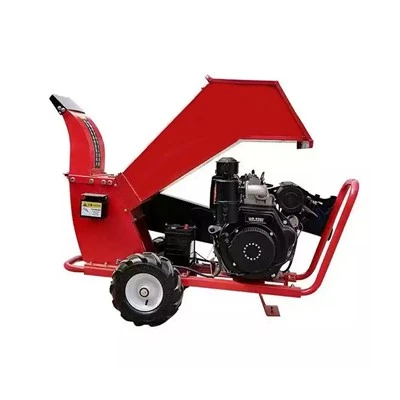
First, let’s get one thing straight: Sharp blades aren’t just a “nice” upgrade for your shredder—they’re non-negotiable. When blades are dull, they don’t cut wood; they crush it. That crushed wood not only leaves uneven, stringy chips that are harder to mulch or compost, but it also puts extra strain on your shredder’s engine, gearbox, and drive system. A dull blade will cause your machine to bog down, overheat, and even suffer permanent damage if you run it for too long without maintenance. I’ve seen too many customers skip sharpening for months, only to spend twice as much on a new engine as they would have on a set of sharp blades. So the real question isn’t “if” you should sharpen, but “when” and “how often.”
To answer that, we have to look at three key factors that speed up blade wear: how much you use your shredder, what you’re shredding, and how well you maintain it in between sharpenings. Let’s break each down, because these are the variables that make a daily-use commercial shredder need sharpening every 20 hours, while a homeowner who shreds 10 minutes a month for backyard mulch can go a full season before needing a touch-up.
First, usage volume. For commercial operators—landscapers who shred 10 to 20 cubic yards of branches a week, or farmers who clear orchard prunings every other week—blade wear happens fast. Every time a dull blade hits wood, it’s not just cutting; it’s scraping and compressing, which wears down the edge of the blade. Our data from the shredders we sell to commercial landscapers shows that for machines used 5 to 10 hours a week, blades need sharpening every 25 to 30 operating hours. That’s roughly every two weeks for a full-time landscaper. I remember one landscape crew owner who told me he sharpened his blades every Friday, without fail, even if they “still looked sharp.” After he switched to that schedule, he reported a 15% drop in engine repairs and his shredder ran 20% faster. It’s a small routine, but it makes a huge difference.
For semi-commercial users—think a small nursery that shreds prunings once a week, or a property manager of a 10-acre estate—you can stretch that timeline to every 50 to 75 operating hours. That translates to about once a month, or every 5 to 6 hours of use. These users don’t run their shredder nonstop, so their blades don’t take the same beating. But even here, I recommend setting a calendar reminder, because it’s easy to lose track of time between jobs.
Then there’s residential users, the biggest group I work with who often ask this question. If you’re a homeowner who shreds fallen branches, hedge trimmings, and small storm debris a few times a year—say, 2 to 5 hours total in spring and fall—you might not need to sharpen your blades at all for the first two or three seasons. That’s not just my opinion; it’s backed by wood science. Residential shredders typically use thinner, harder blades made from high-carbon steel, and they don’t see the heavy use that wears commercial blades down. I’ve had customers tell me they sharpened their first blades after three years, and even then, it was more of a precaution than a necessity. But before you decide to skip sharpening, let’s talk about what causes blades to dull faster, even for occasional users.
The second big factor: what you’re shredding. Not all wood is created equal, and some will dull your blades in a fraction of the time it takes others. Branches with high sap content, like maple or oak, can build up resin on the blade edge, which actually wears down the metal over time as you run the blade through it. Then there’s hardwood vs. softwood: hardwoods like ash, birch, and fruit wood have denser grain, so they require more force to cut, leading to faster blade wear. Softwoods like pine, spruce, and cedar are easier on blades, so you can go longer between sharpenings.
The biggest blade killer? Dirt, rocks, and other debris people accidentally toss into their shredder. I can’t tell you how many times I’ve had a customer call saying their blades are dull after one use, only to admit they shredded a pile of branches that had been sitting on a construction site for months, coated in dirt and small rocks. Rocks are an abrasive that grinds away at blade edges in seconds, way faster than any wood. That’s why I always tell users to inspect their debris before they shred: pick up branches, knock off loose dirt, and remove any metal stakes or plastic that might have ended up in the pile. Even a small rock can dull a blade in one pass, which means you might need to sharpen way sooner than you planned.
Third, maintenance habits in between sharpenings. A lot of people think once you put blades on, they’re good until they’re dull, but small, regular checks can keep them sharp longer. One easy habit is to clean the blades after every use, especially if you shredded sap-heavy wood. Wiping them down with a cloth and a little mineral spirits will remove resin buildup that can corrode the metal edge. Another tip: when you’re shredding, don’t overload your machine. Most shredders have a maximum branch diameter, and forcing branches too thick will make the motor work harder, pulling the blade edge instead of cutting it, which wears the blade faster. I’ve seen customers jam their shredder trying to stuff a 4-inch branch into a machine designed for 2-inch branches, and then they wonder why the blades are dull after that one job.
Now, let’s get to the practical part: how to tell if your blades are actually dull, so you don’t have to guess. A lot of users wait until their shredder won’t cut at all, but there are early warning signs that can save you from strain and damage. First, look at the chips. Sharp blades cut clean, uniform chips that are ½ inch to 1 inch in size. Dull blades leave uneven, jagged chips, or even small sticks that look like they were crushed instead of cut. Second, listen to the engine. If it runs louder than usual, or bogs down when you feed in a branch, that’s a sign the blade isn’t cutting easily, so the motor has to work harder. Third, check the blade itself—if you look at the cutting edge, it should be a sharp, flat line. If it’s rounded, pitted, or has small nicks, that’s time to sharpen. Even small nicks from a rock can make the blade dull, so a quick touch-up with a grinder can fix it before it turns into a bigger problem.
Wait, but what about sharpening vs. replacing blades? That’s another question I get all the time. For most small to medium branch shredders, you can sharpen a blade 3 to 5 times before it’s too worn to sharpen anymore, and then you replace it. Our suppliers recommend sharpening blades at a 20-degree angle for most models, which is the angle that gives the best cut and the longest blade life. If you sharpen them at too steep an angle, they’ll wear down faster; too shallow, and they won’t cut as well. If you’re not comfortable sharpening blades yourself, most local hardware stores or equipment repair shops offer blade sharpening services for $15 to $25 per blade, which is way cheaper than buying new ones.
Now, let’s circle back to the original question for different users, with real examples from customers I’ve worked with. Last year, a commercial landscaper in Chicago bought three of our heavy-duty shredders for his 5-person crew. He sharpened blades every 25 hours, just as we recommended, and his crew said their productivity went up by 18% because they didn’t have to stop mid-job to deal with a dull shredder. A family-owned orchard in Michigan uses a mid-sized shredder 2 to 3 times a month during pruning season, so they sharpen their blades every 60 hours, and they’ve had the same set of blades for 4 years. A suburban homeowner in Ohio told me she sharpened her blades for the first time last month, after 3 years of using her shredder for small jobs, and she said she noticed the difference immediately—her chips were cleaner, and the machine ran smoother.
I also want to address a common myth: some people think that running a shredder with slightly dull blades will “break them in” or make them sharper, but that’s not true. Dull blades don’t get sharper on their own—they get more worn, and the wear is irreversible. Running a dull shredder also wastes time: if your blades are dull, you’ll take twice as long to shred the same amount of branches, which means more time spent on the job and less time for other work or hobbies.
So to sum up, here’s a quick guide for how often to sharpen your branch shredder blades:
- Commercial users (5+ hours of use a week): Every 20–30 operating hours, or every 1–2 weeks.
- Semi-commercial/property managers (1–4 hours a week): Every 50–75 operating hours, or every 1–2 months.
- Residential users (less than 1 hour a month): Every 2–3 years, or when you notice uneven chips or strain on the engine.
If you’re still unsure, or you have a specific shredder model, feel free to reach out to our team for personalized advice. We’ve worked with hundreds of branch shredder owners, and we can help you figure out the right schedule for your machine and usage needs. Whether you’re a landscaper looking to reduce downtime, a farmer clearing prunings, or a homeowner tending to your yard, keeping your shredder blades sharp is one of the simplest ways to make your machine work better and last longer.

If you’re in the market for a new branch shredder, or you need parts or blade sharpening services, contact our team to discuss your requirements. We can help you find the right shredder for your needs and provide tips to keep it running at peak performance.
Forage Pulper References:
- American Society of Agricultural and Biological Engineers. “Maintenance Guidelines for Forestry and Yard Equipment.” 2021.
- International Society of Arboriculture. “Proper Care of Wood Chipping Equipment.” 2020.
- U.S. Environmental Protection Agency. “Yard Waste Management: Equipment Operation and Maintenance Best Practices.” 2019.
- National Hardware Association. “Tool Sharpening and Maintenance for Outdoor Power Equipment.” 2022.
Zhengzhou Xinyihaotong Machinery Manufacturing Co., Ltd.
As one of the most professional branch shredder manufacturers in China, we also support custom service. We warmly welcome you to buy high quality branch shredder for sale here from our factory. For price consultation, contact us.
Address: Rooms 2301–2312, Jiayi Building, Xinxiang City, Henan Province, China
E-mail: zhaoyixuan5566@gmail.com
WebSite: https://www.xyhtmachinery.com/
