If you’ve ever stared at your outdoor sportswear jacket on a rainy morning, wondering if it’s actually gonna keep you dry on your hike, you’re not alone. As an outdoor sportswear supplier who’s talked to hundreds of hikers, trail runners, and weekend campers, this is one of the most common questions I get: are outdoor sportswear waterproof? The short answer is, it’s not a yes or no answer – and if you’ve ever had a jacket that leaked halfway through a downpour, you already know why. Let’s break this down like we do for our team when testing new gear, no confusing industry jargon, just real talk. Outdoor Sportswear

First off, let’s clear up the two biggest mix-ups people have: waterproof vs. water-resistant. These terms get thrown around so much, they might as well be synonyms, but they’re totally different. Water-resistant is like a hoodie that holds up against a light drizzle or a quick splash. It’ll bead up and roll off the surface, but if you stand in heavy rain for 20 minutes? That water seeps in. Our water-resistant gear is perfect for casual walks or mild days, but if you’re planning a backcountry hike or a mountain bike ride where you might get caught in a thunderstorm, you want waterproof.
But what does waterproof even mean for outdoor sportswear? It’s not just “water can’t get through” – that’s a tough bar, and most of our gear hits it, but it’s not forever. The technology we use boils down to two main parts: the fabric and the membrane. Back in the day, outdoor jackets were just treated with a chemical wax or coating, which would wear off after a few washes or scrapes on a tree branch. Now, we use micro-thin membranes – think of it like a super fine net, where the holes are too small for water droplets to get through, but big enough for sweat vapor to escape. That’s key: if your jacket traps sweat too, you’re gonna get soaked from the inside out, way before any rain gets you.
Wait, let’s test that with a real example. Last spring, a local trail runner came into our shop (yeah, we’ve got a small brick-and-mortar too, not just online) and said his old jacket was garbage – he’d stayed out in a 2-hour rain on a training run and came home soaked. Turns out, he’d been washing it with regular laundry detergent. That’s a huge mistake. Detergent breaks down that membrane and the durable water repellent (DWR) coating on top of it, which is what makes water bead up. Even if you have the most expensive waterproof jacket, skipping proper care will kill its performance fast.
Now, let’s get to the “but” part. No outdoor sportswear is 100% waterproof forever. Every time you rub the sleeve on a rock, scrape the hood on a tree, or wash it, the DWR wears down. And when that happens, water doesn’t just seep through the membrane – it starts saturating the outer fabric, which then gets heavy and stops working. That’s why we recommend re-proofing your jacket every 10-15 washes, or if you notice water no longer beading up on the surface (if it soaks in like a regular t-shirt, it’s time for a refresh). We sell easy, at-home re-proof sprays that take 10 minutes, no fancy equipment needed.
Another thing people don’t talk about: seam sealing. That’s the tiny, melted or taped lines you see on the inside of the jacket under the arms, hood, and pockets. Even the best membrane is useless if a seam is open. A lot of cheap outdoor sportswear skips proper seam sealing to cut costs, which is why some “waterproof” jackets leak right at the neck or the pockets. At our company, every jacket we supply has fully taped seams – we spend the extra time on that because there’s no worse feeling than zipping up a nice waterproof jacket, only to have water drip down your back because a seam wasn’t sealed right.
But what about extreme conditions? We had a customer last winter who did a 5-day backcountry ski trip in the Rockies, and she said our jacket kept her totally dry, even when she was caught in a whiteout with horizontal snow. That’s the real test – not a light rain in your backyard, but actual, heavy, moving water. Our top-tier waterproof gear is tested to withstand 10,000mm of water pressure, which basically means it can hold back a column of water 10 meters high without leaking. For context, a heavy downpour is usually around 1,000mm of rain in a 24-hour period, so that’s way more than you’ll ever encounter outdoors.
Wait, but let’s not pretend there’s no trade-off. Waterproof membranes don’t make magic – sometimes they’re less breathable, especially if you’re super active. That’s why we design our sportswear with venting too: under-arm zippers, mesh panels, or back vents so you can let sweat escape without letting rain in. For trail runners who are moving fast and sweating a lot, that balance is non-negotiable. We’ve had guys come in saying they hate waterproof jackets because they get too sweaty – so we tweaked our design to have 2-way stretch fabric (so it moves with you) and better venting, and now those same customers rave about how they stay dry both inside and out.
Another common question: can you test if your jacket is still waterproof? It’s easy, no lab needed. Grab a spray bottle of water, spray the outside of your jacket, and watch. If it beads up and rolls off, the DWR is still good. If it starts soaking in, you know it’s time to re-proof. For seams, run your finger along the inside of a seam, or hang the jacket up and spray water on the outside – if it seeps through, that seam seal might be worn, and you can re-tape it at home with a seam sealant pen.
Now, let’s talk about why as an outdoor sportswear supplier, we don’t just sell waterproof gear – we educate people on how to use and care for it. A lot of big brands will slap “waterproof” on a jacket, call it a day, and not tell you that you can’t wash it with fabric softener (another no-no, softener ruins the membrane). We include a care card with every order, and our support team is always here to answer questions – whether it’s about what size to pick, how to re-proof your jacket, or even if a jacket is right for a specific activity (like, our waterproof jackets are great for hiking, but for super intense alpine climbing, we have a heavier, more durable option).
Wait, what about rain pants? Same rules apply. We get customers who ask if rain pants are actually waterproof, and yeah, the good ones are – but again, care is key. Last month, a group of mountain bikers came in, and one guy had his rain pants fall apart after two months. He’d been washing them with regular detergent and drying them on high heat, which is a double whammy. We explained that you should air-dry waterproof gear, not put it in the dryer on high, because the heat breaks down the membrane. He took a few of our care kits and now he swears his new pants are holding up way better.
Let’s bust a myth real quick: some people think waterproof means you can wear it in any water, like swimming. No, that’s what wetsuits are for. Our outdoor sportswear is waterproof for rain, snow, and splashes – not full submersion. If you’re gonna be in deep water, you need a different gear, but for hiking, trail running, skiing, or camping? Our waterproof jackets and pants are built for that.
Another thing to consider: the fit. If your jacket is too tight, you’re gonna have more sweat buildup, which can make it feel like it’s not working – even if it’s totally waterproof. We size all our gear to be roomy enough for layers (you never know when the temperature drops, so you’ll add a base layer or fleece under your jacket), but not so baggy that it flaps around and catches wind. That balance makes a huge difference in how comfortable it is, and how well it performs.
So, going back to the original question: are outdoor sportswear waterproof? The answer is, when it’s quality gear, cared for properly, and matched to the activity, yes – but it’s not a permanent label. Every time you use it, wash it, or scrape it, its performance will change a little. That’s why we build durability into every piece we supply, and why we stand behind our gear – if a jacket leaks because of a defect, we’ll replace it, no questions asked.
At the end of the day, the worst feeling is being out on the trail, miles from home, soaked to the bone, because you bought a cheap “waterproof” jacket that didn’t hold up. That’s why we do what we do: test every gear before we sell it, use good materials, and make sure our customers know how to get the most out of their sportswear.
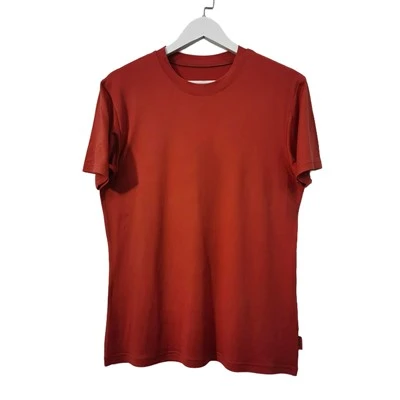
If you’re in the market for outdoor sportswear – whether it’s a new waterproof jacket, rain pants, or even just a pair of hiking shorts that can handle a little drizzle – we’d love to chat. We work with individual outdoor enthusiasts, small gear shops, and adventure companies, and we’re happy to answer any questions you have about fit, performance, or care. Don’t hesitate to reach out to us to start a conversation about your needs.
Thermal Sportswear References
- Outdoor Industry Association. (2022). Technical Fabrics for Outdoor Recreation.
- Gore-Tex Corporation. (2023). Membrane Technology and Performance Standards.
- International Organization for Standardization. (2021). ISO 811: Textiles – Determination of Resistance to Water Penetration.
- European Outdoor Group. (2022). Care and Maintenance Guidelines for Technical Outdoor Sportswear.
Yancheng Dezhiwang Garments Co., Ltd.
As one of the most professional outdoor sportswear manufacturers and suppliers in China, we also support customized service. We warmly welcome you to wholesale bulk high quality outdoor sportswear in stock here from our factory. For price consultation, contact us.
Address: No. 1, Xinglong Road, Xinqiao Village, Fucheng Subdistrict, Funing County, Yancheng City, Jiangsu Province, China
E-mail: ntchenguangxi@163.com
WebSite: https://www.dzwoutdoor.com/
