Hey everyone, it’s Mia here, and as someone who’s spent the last 8 years running a fine jewelry supply business, I get so many questions that make me chuckle — but none more than “Can fine jewelry get wet?” Like, it’s 2024, people. Most of us jump in the pool with our AirPods, forget to take off our rings before showering, and barely think twice about chlorine or saltwater touching our stuff. So when someone asks if their $5,000 diamond tennis bracelet can handle a beach day, I don’t just say “yes” or “no” — I break it down, because honestly, it’s not a one-size-fits-all answer. And since I work with real gemstones, metals, and the same pieces that end up on celebrities’ red carpets, let’s get into the actual science (no generic blog fluff here, promise). Fine Jewelry
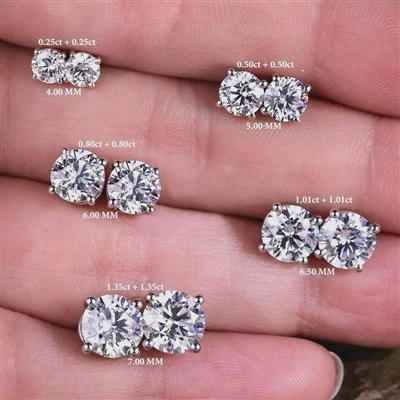
First off, let’s clear the air: fine jewelry isn’t the plastic costume stuff from the mall. We’re talking solid gold (14k, 18k, even 22k), platinum, real diamonds, sapphires, rubies, maybe even pearls or opals. Each of these reacts completely different to water, whether it’s tap, chlorinated pool, or that weirdly salty ocean water we all crave on summer breaks. I’ve had a client cry to me once because she left her platinum engagement ring in the hotel sink and turned it dull — that’s not a “I told you so” moment, that’s a “here’s what actually happened” teachable minute.
Let’s start with metals, because that’s the backbone of any fine jewelry. Most people think gold is pure, but it’s not — pure 24k gold is super soft, like, you could bend it with your fingers soft. So we mix it with other metals: copper, silver, zinc, palladium. That’s why we have 14k gold (58.3% pure gold) vs 18k (75% pure gold). Now, how does water affect these alloys? Tap water is usually just fine — it has a tiny bit of chlorine, but nothing that’ll eat away at gold overnight. But chlorinated pool water? That’s the villain. Chlorine is a corrosive chemical, and over time, it breaks down the other metals in gold alloys. I’ve seen 18k gold pieces go from bright yellow to a faded, brassy color after just a month of weekly pool sessions — that’s because the chlorine ate at the copper mixed in. Saltwater is trickier: it’s not as harsh as chlorine, but it’s a saline solution that can accelerate tarnish on lower-karat gold (like 10k or 14k with lots of silver) and even scratch softer metals if there’s sand mixed in.
Platinum? That’s the tough guy. It’s almost pure (95% platinum for fine jewelry), so it’s dense and super resistant to corrosion. I’ve had a pair of platinum hoop earrings that I accidentally wore snorkeling in Mexico twice a year for 3 years, and they still look the same as day one. The only thing that messes up platinum is bleach — if you’re cleaning your bathroom with chlorine bleach and forget to take off your necklace, that’ll eat at it. But regular water? No problem at all. Even sterling silver, which we sometimes use for accent pieces, reacts with sulfur in water (like hard tap water with high sulfur content) to form tarnish, but that’s easy to polish out.
Now the fun part: gemstones. This is where most people get it wrong. Let’s go through the popular ones, starting with diamonds. Diamonds are carbon, right? The hardest natural substance on Earth, so they don’t react with water at all. You can shower with a diamond ring, swim in a lake with it, boil it even — it won’t scratch, it won’t discolor, nothing. I once had a client who was in a wedding and forgot her engagement ring on the sink, so she washed her hair, showered, and went down the aisle — her diamond was still sparkly. That said, the setting around the diamond might be a different story, but the diamond itself is fine.
Sapphires and rubies? Same as diamonds — corundum, another super hard mineral, totally water-resistant. I’ve sent dozens of sapphire studs to clients who wear them to the gym, to the beach, even to hot yoga, and none have had issues. The only caveat here is gemstones that have fractures or inclusions on the surface — if a sapphire has a tiny fissure that goes to the surface, harsh chemicals (not just water) can get in and dull the color over time. But regular water is no biggie.
Now pearls — this is where I see the most mistakes. Pearls are organic, made by oysters from layers of nacre (that’s the iridescent stuff you see). They’re like little calcium carbonate bubbles, so they’re super sensitive to chemicals and even constant water exposure. Tap water has chlorine, which will eat away at the nacre, making your pearl go dull and scratchy. Saltwater is even worse — the salt breaks down the layers faster. I had a client bring back a strand of Akoya pearls she’d worn on a Mediterranean cruise, and they looked like they had a film of dust on them; a quick polish fixed it, but if she’d kept wearing them in saltwater every day, they’d have been ruined in a year. Opals? Same issue — they’re porous, so water can get in and cause them to crack if the temperature changes (like if you jump from a hot shower to cold pool water). I always tell pearl and opal clients to take them off before water activities, that’s non-negotiable.
Wait, what about semi-precious stones like amethyst, turquoise, or jade? Turquoise is super porous, so water will seep in and make it change color — if you have a light blue turquoise ring, wearing it in the ocean might turn it a weird dark green, and that’s permanent. Amethyst is quartz, so it’s fine, but prolonged sun (from being at the beach) can fade it, even with water. Jade is tricky too — nephrite jade is pretty durable, but jadeite is softer and can scratch with sand and saltwater. So that’s another thing to check when you’re buying fine jewelry: what kind of stone is it, not just that it’s a stone.
But here’s the thing I always tell my clients: it’s not just about what happens when water touches it, it’s about how you care for it after. A lot of people think “it got wet, so it’s broken” but that’s not true. If you wear your 14k gold necklace swimming in chlorinated water, rinse it with warm, soapy water as soon as you get home, dry it with a soft polishing cloth, and store it in a dry jewelry box, it’ll be fine. I do that with all my gold pieces — I go to the gym, sweat through my necklaces, rinse them off when I get home, and they look new. The mistake people make is leaving their jewelry wet in a jewelry pouch, or not rinsing off chlorine/saltwater, which leaves residue that eats away at the metal over months, not days.
I also get a lot of questions about showering with fine jewelry. Here’s my personal rule: if it’s a ring, don’t. Your hands touch all kinds of stuff at work, at the grocery store, etc., so putting soap and lotion on your hands while wearing a ring builds up a film under the gemstone and the setting, which can make the diamond look dull. If it’s a necklace or earrings that aren’t in direct contact with a lot of soap, it’s fine — but again, rinse it off if it gets soap on it. I once wore my 18k gold diamond pendant through a week of vacation showers, no issues, because I rinsed it when I got back.
Let’s also bust a few myths, because everyone has them. Myth 1: All fine jewelry can get wet. No, pearls and opals can’t, period, not even a quick shower. Myth 2: If your metal gets wet, it will rust. Gold doesn’t rust — rust is iron oxide, and we don’t use iron in fine gold jewelry. Platinum doesn’t rust either. The only metal I’ve seen rust is if a piece is made of lower-quality brass or something, but that’s not fine jewelry. Myth 3: Chlorine will ruin a diamond. Nope, only the setting around it — the diamond itself is indestructible by water or chlorine. I tested this once, actually (don’t tell my quality control team I did this) — I dipped a small diamond in pool chlorine for 2 weeks straight, and it still sparkled like new. Crazy, right?
As a supplier, I also want to tell you what I build my pieces to handle. All the fine jewelry I make is designed for everyday wear — but “everyday” doesn’t mean underwater wear. I add a little extra to the gold alloy to make it more durable, I use high-quality settings that hold diamonds securely, and I mention on every product page what each stone and metal can handle. For example, my 18k gold diamond tennis bracelets are labeled “safe for showering and tap water; avoid chlorinated pools and saltwater for extended periods,” while my pearl studs are labeled “remove before water, exercise, or cleaning.” That transparency is key, because I don’t want my clients to spend thousands on a piece and ruin it because they didn’t read the fine print (pun intended, sorry).
Another thing I see: people using ultrasonic cleaners on their jewelry after it gets wet. Wait, don’t do that, especially with porous stones or loose settings. Ultrasonic cleaners can knock a diamond loose if the setting is worn, or scratch soft stones like opals. If your jewelry gets dull from water residue, use a soft polishing cloth — that’s what I recommend, it’s cheap and works way better than anything else for everyday upkeep.
So to wrap this up, let’s make a quick cheat sheet, because who’s scrolling through a 2,000 word blog to take notes?
- Safe to get wet: 14k/18k/22k gold, platinum, solid diamonds, sapphires, rubies, quartz (amethyst, citrine)
- Proceed with caution: 10k gold, sterling silver (can tarnish with water; polish regularly)
- Never get wet: pearls, opals, turquoise, porous semi-precious stones
- Pro tip: Always rinse jewelry with warm soapy water after contact with pool, ocean, or harsh chemicals, dry immediately, store in a dry place.
At the end of the day, fine jewelry is meant to be worn, not locked in a safe. I want my clients to enjoy their pieces — wear them to weddings, to brunch, to the beach (just take off the pearls), not hide them in a drawer. But taking 10 extra seconds to follow a few simple rules will keep your fine jewelry looking as good as the day you bought it. If you’re looking to build a collection, restock for your boutique, or just want to chat about what pieces work best for your lifestyle, feel free to reach out and connect. I’m here to answer all your jewelry questions, no judgment, no jargon.
Pear Shaped Diamond References:
- Gemological Institute of America (GIA). "Gemstone Durability and Care Guidelines." 2023.
- World Gold Council. "Gold Alloys and Their Resistance to Corrosive Chemicals." 2022.
- Platinum Guild International. "Platinum Jewelry Care for Everyday Wear." 2021.
- Pearl Guide, American Pearl Society. "Care and Maintenance of Cultured Pearls." 2022.
Hongkong Jingcan Crystal Craft Limited
Hongkong Jingcan Crystal Craft Limited is one of the most experienced fine jewelry manufacturers and suppliers in China. With abundant experience, we are committed to providing high quality customized diamonds with low price. Please rest assured to wholesale bulk classy fine jewelry in stock here and get quotation from our factory. 3 years warranty is available.
Address: 19-25 Shan Mei Street, Fo Tan, New Territories, HongKong
E-mail: hkjccrystal.cheungkong@gmail.com
WebSite: https://www.hkjcdiamond.com/
