Hey there! If you’re a wastewater treatment plant manager, process engineer, or maintenance lead scrolling for the right center drive sludge scraper for your clarifier, you’re in the right spot. I’ve been selling and troubleshooting these bad boys for 12 years (yep, I started lugging spare parts around back in 2011, so I’ve seen every weird, and expensive, mistake people make when picking the wrong one) — let’s cut the jargon and get you the gear that’ll stop sludge backups, cut downtime, and save you a ton on repairs. Center Drive Sludge Scraper

First off, let’s get on the same page: a center drive sludge scraper isn’t a one-size-fits-all thing. It’s not like buying a standard water pump where you just match GPM and call it good. Mess this up, and you’ll be dealing with the scraper seizing mid-cycle, chipping your clarifier’s floor tiles, or even worse — letting raw sludge overflow into your discharge. I’ve watched a plant half an hour from here buy a cheap off-the-shelf scraper a few years back; it worked for 6 months, then the drive gear stripped because they didn’t account for their sludge’s high sand content. They ended up paying twice to replace it, plus $15k in regulatory fines when the clarifier flooded. Ouch. So let’s start with the stuff you can’t skip checking before hitting “buy.”
First up: your clarifier’s basics — shape, size, and depth. I know, I know, it sounds boring, but this is the foundation. Center drive units are for circular clarifiers, duh, but people sleep on the size. If your clarifier’s 20ft across? A scraper with a 15ft blade won’t reach the outer edges, so sludge just sits there, thickening and compacting until it’s like concrete. If it’s 100ft across? A tiny scraper will spin too slow, and the blades will drag through the muck for hours, wearing them out in a year instead of 5. Then there’s depth. Shallow clarifiers (under 10ft deep) don’t need a heavy-duty drive, but deep ones (over 20ft) need a drive that can push through the weight of a lot more sludge — otherwise, you’ll get a bent shaft, and that’s a nightmare to fix (you have to drain the entire clarifier, which shuts down the whole treatment process for days). I once had a customer with a 25ft deep clarifier try a standard drive unit; the shaft warped in 3 months, and they missed a municipal compliance audit over it. Don’t be that guy.
Next big one: sludge type and characteristics. This is where most people wing it, and that’s where the problems start. Sludge isn’t just “gunk” — it’s different depending on what you’re treating. Industrial plants might have sludge full of heavy metals, sand, or oils that are super abrasive. Municipal plants have biological sludge, which is stringy and sticky. Let’s break this down. If your sludge is high in abrasives (sand, grit, ash), you need scraper blades made of hard chrome or polyurethane, not regular steel. Regular steel blades wear down so fast you’ll be replacing them every 6 months. I had a food processing plant with 5x the average grit in their clarifier; they bought a set of chrome blades 2 years ago and they’re still good. If you’ve got stringy biological sludge (like from an activated sludge process), you need blades with a smooth edge — no nooks or crannies where the stringy stuff can catch. I’ve seen cheap blades with sharp corners wrap around the drive shaft like a giant hairball, stopping the whole unit dead. And if your sludge is oily? You need blades that resist sticking, or even better, a scraper that has a water jet attachment to keep the blades clean mid-cycle. That’s not a standard add-on, but it’s worth every penny if you’re dealing with oil.
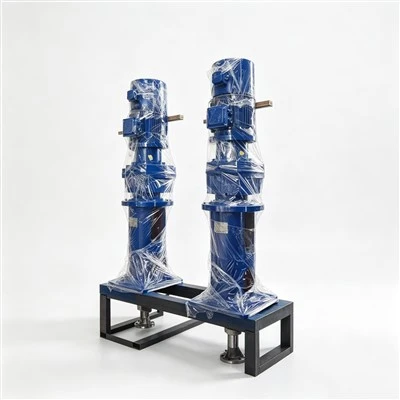
Then there’s the drive system — the heart of the whole scraper. There are three main types, and picking the wrong one will make your life miserable. Let’s keep it simple: first, the chain-and-sprocket drive. This is the cheap one, great for small, low-load clarifiers (under 40ft across, low sludge density). It’s easy to fix, parts are cheap, but it stretches and seizes if you put it under too much weight. Second, the gear drive. This is the middle ground, works for medium clarifiers (40-80ft across, average sludge). It’s more durable than chain, but you have to lubricate it regularly — if you skip that, the gears will wear out. Third, the gear-reduction drive (or direct drive, as we call it). This is the heavy-duty option, perfect for big clarifiers (over 80ft across) or thick, heavy sludge. No chains, no extra gears to wear — it’s a single motor connected straight to the drive shaft. It’s way less likely to seize, but it’s pricier up front, and parts are more expensive if something breaks. But here’s the thing: over 80% of the repair calls I get are for people who tried to use a chain drive on a clarifier that was too big. They end up spending more on emergency repairs than the difference between a chain and a direct drive. I always tell people: if your clarifier’s over 60ft, go direct drive. Trust me, I’ve seen the math.
Another thing people sleep on: overload protection. This is the safety feature that stops the scraper if it hits something too heavy — like a chunk of concrete that broke off the clarifier wall, or a clump of compacted sludge. There are two types: shear pins and torque limiters. Shear pins are old-school, cheap — but when they shear, you have to shut down the whole clarifier to replace them, which is a huge headache. I’ve had a plant wait 3 days for a shear pin replacement, and during that time, their clarifier overflowed, costing them $20k in fines. Torque limiters are the better option — they trigger a shutoff automatically when there’s too much resistance, and you can reset them without draining the tank. Yeah, they cost a bit more, but you’ll save so much in downtime. I never recommend shear pins anymore, unless you’re on a super tight budget and your clarifier’s tiny.
Now, let’s talk about installation and maintenance, because even the best scraper will fail if you install it wrong. First, make sure your clarifier’s center column is level. If it’s off by even an inch, the scraper will spin lopsided, wearing the blades unevenly and putting stress on the drive. I once worked with a plant that had their center column 2 inches off; they didn’t notice for a year, and when the scraper failed, half the blades were gone, and the column was bent. Second, get a scraper with easy access for maintenance. If you have to climb into a 10ft deep tank just to oil the drive, you’re gonna skip it. Pick a unit with external components — the motor and gears are outside the clarifier, so you can work on them without draining the tank. And ask about spare parts availability. If the only parts for your scraper have to be shipped from across the country, you’re screwed if it breaks. When we sell a scraper, we keep all common parts in stock locally, so we can get them to you same day. That’s a big one.
Wait, let’s throw in a quick tip I learned the hard way: don’t go for the lowest price. I know, I know, budgets are tight. But a cheap scraper might cost $10k less upfront, but if it breaks in 18 months instead of 5, you’re paying more in the long run. We sell mid-range and heavy-duty units, and I always tell people to calculate the total cost of ownership: initial cost + repair costs + downtime costs. I did that math for a customer last year; they were looking at a $25k cheap unit vs a $35k heavy-duty one. The cheap one would have cost them $20k in repairs and downtime over 5 years, so the heavy-duty one was actually cheaper. That’s a hard number, not a guess.
So let’s recap the quick checklist you should run through before you buy: 1) Clarifier size (diameter and depth) — match the scraper’s blade length and drive to that. 2) Sludge type (abrasive, stringy, oily) — pick blades and features that match. 3) Drive system — chain for small, direct drive for big, heavy loads. 4) Overload protection — torque limiter over shear pin, every time. 5) Maintenance access and spare parts — easy to work on, parts nearby.
If you’re still unsure, that’s totally normal. A lot of plants have weird setups — maybe they retrofitted their clarifier a year ago, so the size is a little off, or their sludge is a mix of two types. That’s where we come in. We don’t push the most expensive unit just to make a sale — we ask you questions: How big’s your clarifier? What are you treating? How old’s your current scraper (if you have one)? Then we point you to the one that fits, no fluff. I’ve helped plants with 20ft mini clarifiers and 120ft industrial ones — I’ve seen it all.
The last thing I want you to remember: this isn’t a set-it-and-forget-it purchase. A good center drive sludge scraper should last 5-10 years, save you on repairs, and keep your treatment process running smoothly. Mess up, and you’re looking at fines, shutdowns, and a lot of stress. So if you’ve got questions, or you’re ready to stop guessing and get the right unit, reach out. I’ll walk you through every step, no pressure, no sales pitch — just real advice from someone who’s been in the trenches for years.
Don’t overcomplicate this. Stick to the checklist, prioritize total cost over upfront price, and you’ll have a scraper that works for you, not against you. Now go check your clarifier specs — you’ll thank me later.
Central Drive Thickener References
- Water Environment Federation. (2019). Design and Operation of Clarifiers for Wastewater Treatment. WEF Press.
- American Society of Civil Engineers. (2021). Standard Practice for Sludge Scraper and Collector Systems in Water and Wastewater Treatment. ASCE.
- Environmental Protection Agency. (2020). Wastewater Technology Fact Sheet: Clarifier Design and Maintenance. EPA 832-F-20-007.
Shandong Ningye Machinery Equipment Co., Ltd.
Shandong Ningye Machinery Equipment Co., Ltd. is one of the most reliable center drive sludge scraper manufacturers and suppliers in China. With abundant experience, we warmly welcome you to buy discount center drive sludge scraper made in China here from our factory. Quality products and low price are available.
Address: Workshop No.16, Dongcao Village Industrial Park, Guangda East Road, Songguantun Subdistrict, Economic and Technical Development Zone, Dezhou City, Shandong Province
E-mail: wjkningye@cn-ningye.com
WebSite: https://www.cn-ningye.com/
