If you’ve ever stood in your kitchen, staring at a counter that just “feels” off, or spent way too much time scrubbing your kids’ toys because you’re worried about invisible germs, you know this: regular cleaning with soap and water is good, but sometimes it’s not enough. That’s where home sanitization hygiene machines come in—and as someone who’s been supplying these bad boys for years, let me tell you, they’re not just a fancy gadget. They’re a game-changer for actual daily life. HYGIENE MACHINE

I get it. You might’ve seen those random sanitization devices pop up on social media and written ’em off as another overpriced trend. I’ve had customers tell me, “Oh, I just use a disinfectant spray and a cloth, why would I need a machine?” Fair question. But here’s the thing: sprays can leave chemical residue if you don’t wipe them off just right, and they only kill the germs they actually touch. A hygiene machine? It targets every nook and cranny you’d never get to with a rag. Think about the inside of your toothbrush holder, the bottom of your pet’s water bowl, the remote control you and your partner fight over every night—those are germ hubs, and a good machine gets ’em all.
Let’s break down how these machines actually work, no jargon, I promise. Most home hygiene machines I supply use one of two safe, EPA-registered technologies (no scary stuff here). The first is UV-C light, which specifically targets the DNA of bacteria, viruses, and mold so they can’t multiply or make you sick. The second is electrostatic spray technology, which charges sanitizer particles so they stick to every surface, even weird angles like the slits on your phone case or the grooves on a cutting board. Both are tested to be way more effective than regular cleaning for high-touch items—and they’re totally safe for home use, as long as you follow the basic instructions (which, let’s be real, most of us can handle).
I remember a customer last month, a mom of two toddlers, who called me in tears because her youngest had a persistent stomach bug that kept coming back. She’d wiped down every toy, washed sheets twice a week, even used those disposable sanitizing wipes, but nothing stuck. I told her to try our compact UV-C machine for her kids’ stuffed animals and sippy cups. She texted me a week later saying the bug finally passed, and her kids’ stuff actually smelled clean for the first time in months. That’s why I do this job—not just to sell machines, but to help people stop stressing about germs in their own homes.
Now, not all hygiene machines are created equal, and that’s where a lot of people mess up. A lot of cheap ones online only cover small, flat surfaces, so if you’re trying to sanitize a larger item like a yoga mat or a pair of sneakers, they’re useless. The machines I supply come in different sizes to fit every need: compact countertop models for toothbrushes, makeup brushes, and baby bottle nipples; mid-sized units for backpacks, cutting boards, and pet beds; even portable ones you can toss in your gym bag or car to wipe down a hotel remote or airport tray table. The key is matching the machine to what you’re sanitizing, not the other way around.
Wait, let’s talk about cost too. I know some people think “sanitization machine = way out of budget,” but when you break it down, it’s cheaper than buying constant bottles of disinfectant, wipes, and disposable cleaning cloths every month. For example, a mid-sized machine I supply pays for itself in about three months compared to the average person’s monthly spending on sanitizing products. Plus, most of my machines are built to last years, not months, so it’s a one-time investment in your family’s health that actually saves you money long-term.
I also get asked all the time, “Is this something I really need, or is it just for people who are obsessed with cleanliness?” Here’s the honest truth: it’s for anyone who wants to cut down on germ exposure without extra work. You don’t have to be a germophobe to benefit. If you work in an office and bring your lunch to work, sanitizing your lunch box every night keeps leftover bacteria from growing. If you have a roommate who’s always sick, sanitizing the doorknob and light switch once a week with a machine can reduce how often you get sick. It’s not about being perfect—it’s about giving yourself an extra layer of protection without adding hours to your cleaning routine.
But let’s address the elephant in the room: some people worry that these machines use harsh chemicals, or that UV light is bad for their skin. The machines I supply use non-toxic, food-safe sanitizing solutions (for the ones that use spray) and UV-C levels that are low enough that you don’t have to stand around while it works—you can put your item in, close the lid, and walk away. No fumes, no messy residue, no skin exposure. I make sure every machine I carry is tested for home safety, because I wouldn’t sell something to a mom with a newborn that I wouldn’t use in my own house.
Last year, I worked with a group of teachers who bought 20 portable machines to sanitize classroom toys and desks. They told me before, they were spending 2 hours every night after school wiping down every item, and kids were still getting colds left and right. With the machines, that time dropped to 15 minutes a day, and sick days among the kids went down by almost half. That’s the kind of difference these machines make—small, consistent, and easy to stick with.
Now, if you’re thinking, “Okay, this sounds good, but where do I start?” Let me give you a few quick tips. First, make a list of the items in your home that you actually struggle to clean. If you’re only stressed about toothbrushes, go for a compact countertop model. If you have a lot of larger items, like sports gear or pet beds, look for a mid-sized unit with adjustable settings. Second, don’t fall for the “bigger is better” trick. A machine that’s too big for your needs is just a waste of space and money. Third, check that the machine is registered with the relevant health agency—cheap no-name models often don’t have the same safety or effectiveness testing.
I’ve been in this game for 8 years, and I’ve seen so many people make the switch and wonder why they didn’t do it sooner. The great thing about home hygiene machines is that they adapt to your life, not the other way around. You don’t have to overhaul your cleaning routine; you just add one quick step that takes 2 minutes, and suddenly your home feels cleaner, safer, and less stressful.
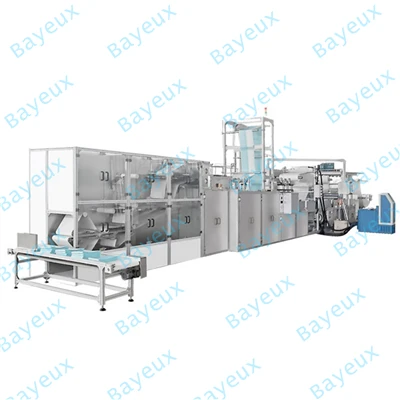
If you’re ready to stop guessing if you’re sanitizing right, and start getting consistent, effective results for your home, let’s chat. I can walk you through the different models, answer any questions you have about safety or use, and help you pick the right one for your space and needs. No pushy sales pitches, no confusing jargon—just straight talk about how to make your home a healthier place for you and your family.
ADULT DIAPER MACHINE References
- Centers for Disease Control and Prevention (CDC). Guideline for Disinfection and Sterilization in Healthcare Facilities, 2021.
- Environmental Protection Agency (EPA). List Q: Disinfectants for Use Against SARS-CoV-2, 2024.
- World Health Organization (WHO). Home Sanitation for Healthier Living, 2023.
- Journal of Environmental Health. Effectiveness of UV-C Light for Household Surface Sanitization, 2022.
- American Cleaning Institute. Best Practices for Home Sanitization Devices, 2021.
Quanzhou Bayeux Industrial Co., Ltd.
Quanzhou Bayeux Industrial Co., Ltd. is one of the most professional hygiene machine manufacturers and suppliers in China, specialized in providing high quality customized service. We warmly welcome you to buy high-grade hygiene machine at competitive price from our factory.
Address: ROOM 805,BUILDING 3,NO,8 XIANGSHAN ROAD, XIANGSHAN COMMUNITY, QINGYANG STREET, JINJIANG QUANZHOU FUJIAN.
E-mail: yeliqun_520@163.com
WebSite: https://www.qzbayeux.com/
