Hey there, Pipe Extrusion Line

If you’ve ever walked past a recycling bin full of old water bottles, broken garden hoses, or even discarded pipe scraps, you’ve probably wondered what happens to all that plastic after it’s sorted. As someone who’s spent the last 12 years selling pipe extrusion lines—so, yeah, I’ve talked to my fair share of plumbers, recycling plant managers, and small business owners—I get this question all the time: “Can my pipe extrusion line actually handle recycled plastic, or do I need to buy a whole new machine just for recycling?”
Let’s cut to the chase here. The short answer is: Yes, most modern pipe extrusion lines can absolutely be used for recycling plastic. But the long answer? It’s not just plug-and-play. There are a few things you need to know—like what kind of plastic you’re working with, what you have to do to prep that recycled plastic first, and where the limits are if you want a product that’s actually durable enough to use. I’m gonna break this down like I do with every customer who calls me panicking about their recycling project, no fancy jargon, just real talk from someone who’s seen this work (and seen it go wrong).
First off, let’s talk about why people even want to use extrusion lines for recycling. Plastic recycling has been weirdly underrated for a long time—like, everyone says “reduce, reuse, recycle” but no one talks about how hard it is to turn that crumpled water bottle into something useful. A lot of old extrusion lines were built only for virgin plastic, which is that fresh, brand-new resin that comes straight from the factory—no contaminants, no mixed plastics, just pure stuff. But recycling means dealing with post-consumer plastic (like those water bottles) or post-industrial plastic (like leftover pipe scraps from a job site), and that’s a whole different ballgame.
Wait, let’s clarify the types of plastic you can actually recycle with an extrusion line. The most common ones are HDPE (high-density polyethylene) and PP (polypropylene)—those are the guys used for milk jugs, water bottles, plastic pipe, and garden furniture. PVC is another one, but it’s trickier because of the additives. But if your line is set up right, HDPE and PP are totally doable. I had a customer last year—small municipal recycling plant in Ohio—who was turning old HDPE milk jugs into 4-inch drainage pipe for local parks. It worked like a charm, and they saved so much money on not buying virgin resin.
But here’s the first big step: prepping the recycled plastic. You can’t just toss a bunch of crumpled plastic bottles into your extruder and expect perfect pipe. First, you have to sort them—badly mixed plastics will cause all kinds of problems. For example, if you put a PET bottle (soda bottles, different from HDPE) into an HDPE line, it’ll mess up the melt consistency and your pipe will be weak. Then you have to wash them—remove labels, glue, food residue, all that gunk. Labels often have different plastics or adhesives, so a good washing station is non-negotiable. Then you have to shred them into small flakes, and then maybe even granulate them into pellets. Some lines have built-in shredders, but a lot of people pair their extrusion line with a separate shredder and washer for recycling. That’s not extra fluff—it’s necessary. I tell every customer: if you skip the prep, you’re gonna end up with lumpy, uneven pipe that’ll crack when you lay it underground.
Now, let’s get into how the extrusion line itself changes for recycled plastic. Virgin plastic is consistent—its melt temperature is the same every time, it has the same viscosity. Recycled plastic? Not so much. Depending on how many times it’s been melted before (that’s called “cycle count”—one-time post-consumer is different from plastic that’s been recycled three or four times), its melt properties shift. So you need an extruder with a better temperature control system. Old, basic extruders might have hot spots that melt the recycled plastic unevenly, leading to weak pipe. Modern lines I sell have variable frequency drives for the heaters, so you can dial in the exact temp for the recycled resin, no hot spots, no uneven melts.
Another thing: the screw. The screw inside the extruder barrel is what pushes the plastic through, melts it, and mixes it. Virgin plastic needs a standard screw, but recycled plastic has contaminants, and sometimes different resin bits, so you need a screw with a better mixing design—something that can blend those bits evenly without over-shearing (over-shearing breaks down the plastic molecules, making it weaker). I upgraded all my lines a few years ago with these specialized mixing screws, and suddenly customers were getting way better results with recycled plastic than they were with the old screws.
Wait, but here’s a limit I have to be honest about. You can’t make pressure pipe (the kind that carries drinking water under high pressure) from 100% post-consumer recycled plastic most of the time. The cycle count and contaminants make it too risky for that. But you can make non-pressure pipe—drainage pipe, sewer pipe that’s just carrying runoff, garden hose, conduit pipe for electrical wires. That’s where the sweet spot is. My Ohio customer? They make 100% recycled HDPE drainage pipe, and it’s rated for 50 years, same as virgin. But if they tried to make a water main pipe, they’d have to blend in at least 20-30% virgin resin to meet safety standards. That’s not a failure of the line—that’s just physics and material science. You can’t turn a random water bottle into a high-pressure water pipe without a little virgin backup.
I’ve also had people ask me, “Is it cheaper to just buy a recycling-specific line?” And that’s a fair question. If you’re a big recycling plant doing nothing but plastic, a dedicated line is probably better. But if you’re a pipe supplier who also does some small-scale recycling, or a municipal plant that wants to make use of plastic that would otherwise go to landfill, modifying your existing pipe extrusion line is way more cost-effective. I had a customer in Texas who had a line that was only making 2-inch water pipe, and he wanted to start making drainage pipe from his own job site scraps. We added a shredder-washer combo, swapped out the screw, adjusted the temperature controls, and he was up and running for about a third the cost of a new recycling line. That’s the kind of win I live for—helping people do more with what they already have.
But let’s talk about the mistakes people make, because I’ve seen them all. First, not sorting the plastic. A guy in Florida once called me screaming because his pipe was breaking left and right, and it turned out he’d mixed PVC and HDPE in the shredder. PVC melts at a lower temp, so it was turning into goo and messing up the HDPE. He spent three days separating the two, and his lines worked after that. Second, not washing the plastic. Food residue and labels leave contaminants that cause bubbles in the pipe, which weaken it. Third, overloading the extruder with recycled plastic that has too high a cycle count. If you use plastic that’s been recycled 5 times, it’s basically brittle—you can melt it, but the molecular bonds are broken, so the pipe won’t hold up. That’s why I always recommend limiting post-consumer plastic to 2-3 cycles max, or blending in virgin to boost strength.
Another big one: not testing the product. When you switch to recycled plastic, you can’t just run the line and start selling pipe. You have to test the tensile strength, the flexibility, the resistance to UV light (if it’s going to be outside), the pressure rating. A lot of new recyclers skip this and end up with a bunch of pipe that’s not up to code, which is a huge liability. I help every customer set up a simple testing protocol—even if it’s just sending a sample to a local lab for basic strength tests—before they start selling. It’s 2 hours of work that saves you thousands in returns or fines.
Wait, let’s get real about the environmental side, because that’s why most people care. When you use a pipe extrusion line for recycling, you’re not just making pipe—you’re keeping plastic out of landfills, cutting down on the need for virgin resin (which is made from fossil fuels), and sometimes even creating a new revenue stream. That Texas customer I mentioned earlier? He used to pay $50 a ton to get rid of his pipe scraps. Now he sells the recycled drainage pipe for $2 a foot. That’s a no-brainer. And for municipalities, turning plastic waste into infrastructure? That’s a win for the whole community—less landfill, cheaper pipe, local jobs.
But let’s address the elephant in the room: is it worth it? If you’re a small operation making 10,000 feet of pipe a month, and you can source cheap, sorted recycled plastic, absolutely. If you’re a big plant making 100,000 feet a month, and you want to expand into recycling, modifying your line is probably a better investment than buying new. The only time it’s not worth it is if you’re trying to make high-pressure pipe from 100% post-consumer plastic, or if you don’t have the space or budget for prep equipment (shredders, washers, granulators). That’s when I tell customers to look into dedicated recycling lines, or partner with a larger recycling plant that has the setup.
I’ve been in this industry long enough to see the plastic recycling boom happen, and the biggest mistake people make is thinking you just take a pipe line, toss in plastic, and call it a day. It takes some work—the right prep, the right line tweaks, testing, sorting. But when it works? It’s amazing. I had a customer in Pennsylvania who made 100% recycled garden hoses for a local hardware store, and they sold out in a week because customers loved that it was eco-friendly. That’s the stuff that makes me happy, not just selling a machine, but helping someone make a product that matters.
So to wrap this up: yes, your pipe extrusion line can be used for recycling plastic, but only if you do it right. Sort your plastic, wash it, prep it, tweak your line’s temp controls and screw, test the product, and know your limits (no high-pressure pipe from 100% post-consumer). It’s not as simple as virgin plastic, but it’s totally doable, and it’s one of the best ways to make your operation more sustainable and profitable.
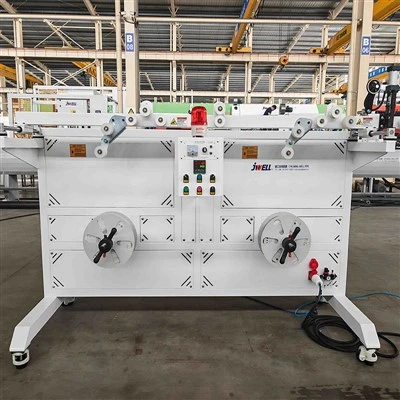
If you’re looking to make the switch, or you have a line you think could handle recycled plastic but you’re not sure where to start, I’m here to help. No pressure, no sales pitch—just honest advice from someone who’s been doing this for years. Reach out, and we can walk through your setup, talk about what kind of plastic you’re using, and figure out if modifying your existing line is the right move for you.
Pipe Extrusion Line References:
- Plastics Industry Association. (2022). “Plastic Recycling Extrusion Technologies and Applications.” PIA Technical Report.
- European Plastics Converters. (2021). “Guidelines for Extrusion of Recycled HDPE and PP for Pipe Production.” EuPC Sustainability Report.
- American Society for Testing and Materials. (2020). “Standard Specification for Thermoplastic Pressure Pipe Made from Recycled Resins.” ASTM D6100-20.
Zhejiang Jwell Pipe Equipment Co., Ltd.
As one of the most professional pipe extrusion line manufacturers and suppliers in China, we’re featured by quality products and good price. Please rest assured to buy cheap pipe extrusion line in stock here from our factory. Customized orders are welcome.
Address: No.128 Qingfeng Road, Xieqiao Town, Haining City, Jiaxing City, Zhejiang Province
E-mail: salaa@jwell.cn
WebSite: https://www.jwell-pipe.com/
