Hey there, if you’ve ever stood in a kitchen and thought, “Wait, why does this ceiling look like it’s already seen way more steam than a summer backyard BBQ?” — same. I’ve been in the ceiling board game for years, and let me tell you, picking the right one for a kitchen is way different than grabbing whatever looks good for a living room. Kitchens are basically humidity, grease, and random spills central, right? So today, I’m breaking down what’s actually best for that space, no sales jargon, just real talk from someone who’s been answering these questions a hundred times a week. Ceiling Board
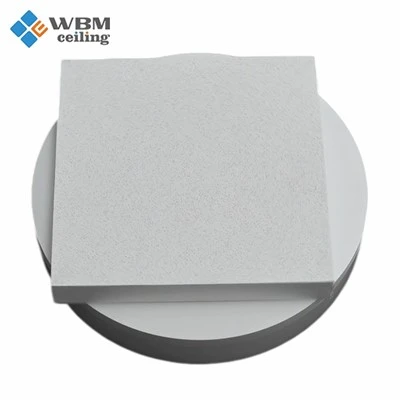
First off, let’s get one thing straight: kitchen ceilings don’t get the same wear as other rooms, but they get specific wear that most other spaces don’t. You’re boiling pasta, searing steaks, maybe splashing soda when you’re loading the dishwasher, and if you have a gas stove? Hello, extra moisture and fumes. That means whatever board you pick can’t just look nice — it has to stand up to that. I’ve seen people pick a super pretty but plain drywall board for their kitchen ceiling and have it crumble from steam or get grease stains that won’t wash off six months later. Total waste of money.
Let’s start with the most common one I get asked about: moisture-resistant drywall. Wait, I know, you’re rolling your eyes — but hear me out. Regular drywall is basically kryptonite for kitchens; it soaks up moisture like a sponge, gets moldy, and yeah, it’s a mess. Moisture-resistant drywall (we call it “MR board” around the shop, if you haven’t heard that) is different. It has a water-resistant paper coating on the face and back, plus a gypsum core that’s treated to not absorb water easily. But here’s the thing I always tell folks: MR board isn’t the same as a waterproof board. If you’re someone who takes a 45-minute steam shower in your kitchen (weird, but okay), this won’t hold up long-term. But for most kitchens — like, the standard ones where you cook, not run a spa up there — it’s a solid, budget-friendly pick. You just have to prime and paint it with a high-quality, semi-gloss or gloss paint. Flat paint will soak up grease and spills like crazy, so skip that. I’ve had customers use MR board in their kitchens for 7+ years with no issues, as long as they keep the vent fan running when they cook.
Next up, the one that’s been blowing up lately: PVC ceiling panels. Oh man, these are game-changers for kitchens. PVC is plastic, right? So it’s 100% waterproof, mold-proof, grease-proof — basically, if you spill something on it, you just wipe it up with a wet cloth. No scrubbing, no stains, no nothing. That’s huge for kitchens. They come in all sorts of styles, too — from plain white that looks like a seamless ceiling to ones that mimic wood or tile, so you can get a nice look without the maintenance. The only downsides? Some people don’t love the “plasticky” look (though modern ones are way better than they used to be) and if you get a cheap PVC panel, it can yellow over time from UV light, but that’s only if you have a big window right above the cooktop. Most importantly, PVC is super easy to install, so if you’re doing a DIY reno, you don’t have to hire a professional. I’ve had so many first-time homeowners go with PVC and tell me it’s the best decision they made for their kitchen.
Then there’s fiber cement ceiling boards. Wait, these are the tough guys. If you have a kitchen that gets a ton of heat — like, if you’ve installed a commercial-grade range or a pizza oven — fiber cement is where it’s at. It’s made from cement, cellulose fibers, and other additives, so it’s fire-resistant, doesn’t warp, and stands up to extreme heat way better than drywall or PVC. It’s also mold and mildew-resistant, obviously. The only catch? It’s heavier than the other options, so installation is a bit trickier (you might need a pro) and it’s more expensive upfront. But if you plan on staying in that house for 15+ years and don’t want to deal with replacing your ceiling because of heat damage, it’s worth the extra cash. I had a customer a few years back who runs a small baking business out of her home kitchen, and she went with fiber cement. Her range gets crazy hot every day, and five years later, her ceiling looks exactly like the day we installed it. Worth every penny for her.
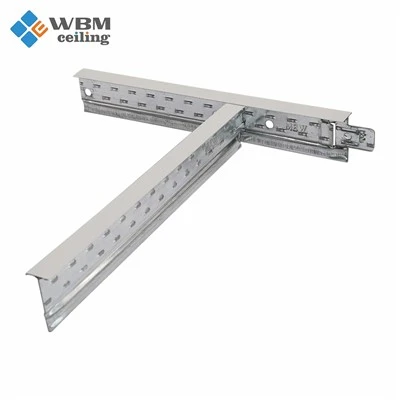
Wait, let’s not sleep on suspended ceiling tiles — you know, the ones that are in those drop ceilings you see in offices? Some people actually use them in kitchens, especially if they have a basement kitchen or a more industrial-style space. The good thing about them? They’re super affordable, easy to replace if one gets stained or damaged, and they have some soundproofing to boot. But the bad? They’re not waterproof. If you have a leaky pipe (rare, but possible) or a ton of steam, they’ll absorb water and sag. Also, they can get grease stains that are hard to cover up, and they look pretty industrial. So if that’s your vibe? Go for it. But if you want something that looks polished and stays nice, probably skip this unless it’s for a very specific style.
Now, let’s talk about what I always tell people to avoid, no matter what. First, regular old drywall. Unless you’re never going to use your kitchen for cooking — like, it’s just a formal dining room adjacent, not a working kitchen — regular drywall is a terrible idea. It will soak up steam, get moldy, and those grease stains? They’re permanent, I promise. Second, cheap, uncoated PVC. Yeah, it’s cheap upfront, but it yellows, scratches easily, and looks junky after a year. Third, anything that’s porous — like unpolished wood panels. I see people try to do a rustic kitchen with wood ceiling, but wood soaks up moisture, swells, and gets moldy in a kitchen. Even if you seal it, it’s going to hold grease and be a nightmare to clean. Save the wood for the cabinets, not the ceiling.
Wait, let’s also factor in different kitchen scenarios, because one size doesn’t fit all. If you’re a renter and can’t do major renovations? PVC panels are perfect — they’re usually installed with a lightweight frame, so you don’t have to mess with the existing ceiling. If you’re renovating your forever home and cook a lot? Fiber cement or moisture-resistant drywall (with good paint) is solid. If you want something low-effort that looks good and is cheap? Go for MR drywall, prime it right, and paint it semi-gloss. If you have kids who spill everything and hate cleaning? PVC is your ride-or-die.
A lot of people ask me about insulation too, right? Wait, ceiling insulation is separate from the ceiling board, but it’s related. If you pick a thicker ceiling board, or add insulation above it, it can help with steam control too — but that’s more for energy bills. For the board itself, though, don’t overcomplicate it. The main things are: moisture resistance, cleanability, and how well it stands up to your kitchen’s specific conditions.
I’ve seen so many mistakes over the years. Like the customer who went with regular drywall in her kitchen, and a month after moving in, her exhaust fan broke, steam built up, and her ceiling was crumbling. She came back to us and had to redo the whole thing with PVC. Or the guy who tried to do wood ceiling panels, and within a year, the parts above the stove were so greasy he couldn’t get them clean. Those are avoidable mistakes, man. It’s not about picking the prettiest board first — it’s about picking the board that works for how you actually use your kitchen.
Now, if you’re in the middle of planning your kitchen reno and are overwhelmed by all the options? That’s what I’m here for. I’ve helped hundreds of people pick the right ceiling board for their space, whether it’s a tiny apartment kitchen or a sprawling custom home. If you have questions, or want to talk pricing, samples, or installation tips? Just reach out to our team. No hard sell, no confusing quotes, just real answers from someone who knows ceiling boards inside and out. We can send you free samples so you can see how they look in person, answer any random question you have (like “can PVC handle my 6-burner stove?” — yes, by the way, as long as you have a good vent fan), and help you get exactly what you need without wasting money on stuff that won’t work.
At the end of the day, the best ceiling board for a kitchen is the one that fits your budget, your cooking style, and how much effort you want to put into cleaning. You don’t need to go for the most expensive option just because I said fiber cement is tough — most kitchens are perfectly happy with MR drywall or PVC. But if you have specific needs, we can make it work. Don’t stress too much about it, but don’t cut corners on the stuff that’s going to hold up to the chaos of a kitchen.
Ceiling Board References:
- National Kitchen and Bath Association. (2022). Kitchen Renovation Material Guide. NKBA Press.
- Gypsum Association. (2021). Moisture-Resistant Gypsum Panels: Applications and Maintenance. GA-216.
- PVC Pipe and Fitting Association. (2023. Residential PVC Building Products for Kitchens). PVC Industry Report.
- Fiber Cement Siding Association. (2022. Fiber Cement Ceiling Boards for High-Moisture Spaces). FCSA Technical Bulletin 07.
- U.S. Department of Energy. (2021. Energy-Efficient Ceiling Materials for Kitchens). Home Energy Checklist Series.
Langfang Weikaihua Building Material Co., Ltd.
Langfang Weikaihua Building Material Co., Ltd. is one of the most professional ceiling board manufacturers and suppliers in China, featured by quality products and low price. Please rest assured to buy discount ceiling board from our factory. Contact us for customized service and free sample.
Address: Peng Er Wan Villiage, Zhao Ge Zhuang Town, Wen’an County, Langfang City, Hebei Province, China
E-mail: joyce@wbm.cc
WebSite: https://www.wbmceiling.com/
