If you’ve ever sent a quick cartoon sticker to a friend to express excitement, sarcasm, or a quiet inside joke, you’ve probably wondered where those little, colorful digital (or even physical) icons came from. As a supplier of cartoon stickers, I’ve spent years not just shipping these designs to customers, but also digging into the history that turned a hand-drawn hobby into a global communication staple. The origin of cartoon stickers isn’t just a random trend—it’s a story of technology, culture, and human connection, one that shaped how we talk to each other today. Cartoon Stickers
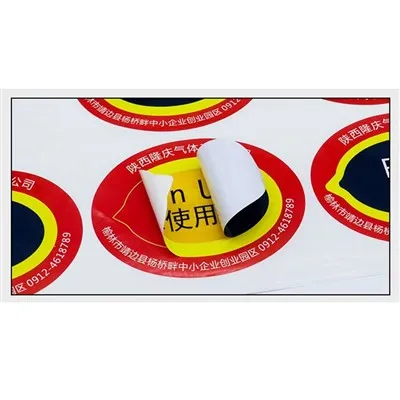
Let’s start with the earliest version of cartoon stickers: physical ones, long before smartphones. The first mass-produced stickers with cartoon characters launched in the 1930s, right as comic books and animated cartoons were blowing up. Back then, kids collected “sticker albums” filled with small, glossy cardboard strips featuring characters like Mickey Mouse or Popeye. These weren’t meant for digital chats; they were traded, glued to notebooks, or stuck to lunch boxes as a way to show off favorite characters. But those early physical stickers laid the groundwork: they turned cartoons from a passive viewing experience into a shareable, personal item. Even as a supplier, I still run into customers who ask for physical cartoon stickers for events, swag bags, or school projects—proof that this early concept stuck.
The real shift, though, came with the rise of the internet in the 1990s. At first, online communication was text-heavy. Sending a “smiley face” (that little :)) was a revelation, but it felt clunky. Users wanted something more visual, something that could carry the same emotional weight as a hand-drawn doodle. In 1999, a Japanese company called NTT DoCoMo launched i-mode, a mobile internet service for cell phones. One of its earliest features was a set of small, 12×12 pixel cartoon icons designed by artist Shigetaka Kurita. These weren’t “stickers” as we know them today—they were emoji, a term that combines “e” (picture) and “moji” (character). Kurita’s original set had 176 icons, including simple cartoon faces, animals, and everyday objects. This was the first time cartoon-style visual icons were used for digital communication, and it was a game-changer. Users could now send a little cartoon cat instead of typing “I’m happy to hear that,” making online chats feel less formal and more human.
But the line between emoji and cartoon stickers gets blurry here. Emoji were standardized across devices by the Unicode Consortium in 2010, which meant a smiley face would look the same on an iPhone, Android, or computer. Stickers, on the other hand, were more flexible—they didn’t have to follow a universal set, and artists could create more unique, expressive designs. The first major platform to popularize cartoon stickers as we know them was Line, a messaging app that launched in Japan in 2011. Line’s creators built the app after the 2011 Tohoku earthquake, when phone lines were down and people needed a way to stay connected. They realized that simple text wasn’t enough to comfort or joke with friends, so they partnered with popular manga and anime artists to create custom cartoon stickers. These weren’t just basic icons—they were detailed, character-driven, and often tied to specific moments or inside jokes.
For example, one of Line’s earliest hit stickers was a set called “Mameshiba,” little cartoon bean characters with exaggerated expressions. Users sent these stickers instead of long texts, and soon, Line’s sticker store was selling millions of sets. By 2014, Line had over 100 million active users, and cartoon stickers were a $1 billion business. That’s when Western platforms caught on. In 2014, Apple added stickers to iMessage, and WhatsApp followed in 2015. Suddenly, cartoon stickers went from a Japanese trend to a global phenomenon. As a supplier, I’ve seen the demand swing: one month we’re shipping hundreds of anime-style stickers to customers in the U.S., the next, whimsical cartoon animal sets to people in Brazil. It’s not just about entertainment—stickers are now a core part of how we communicate digitally.
Another key part of the sticker origin story is how they evolved beyond just cute characters. By the mid-2010s, stickers started to reflect specific cultures, humor, and subcultures. For example, in South Korea, Kakao Talk launched stickers that were often sassy or relatable, like a character rolling their eyes at a friend’s bad joke or a cat staying up too late. In the U.S., meme stickers became huge—cartoon versions of “Distracted Boyfriend” or “Woman Yelling at a Cat” that could be sent to sum up a whole conversation. This expansion meant stickers weren’t just for kids; adults were using them for work chats, social media, and personal relationships. Even brands got in on the action, creating custom cartoon stickers to promote their products. As a supplier, that’s a big part of what we do now—we work with small businesses, influencers, and even large companies to create unique cartoon stickers that fit their brand’s voice.
But here’s something most people don’t know: the science behind why cartoon stickers work so well. Psychologists say that visual icons, especially cartoon ones, trigger a faster emotional response than text. When we see a cartoon cat purring, our brain releases a little dopamine, the “feel-good” chemical, which makes us connect with that sticker. That’s why stickers are so effective for communication—they’re not just pictures, they’re emotional shortcuts. For example, if someone sends a cartoon of a sad dog, you don’t need to read a long message saying “I’m sorry you had a bad day”; the sticker already conveys that feeling. As a supplier, I keep this in mind when we create new designs. We don’t just make pretty cartoon stickers—we make ones that can carry emotion, whether it’s joy, sympathy, or humor.
Now, let’s talk about the difference between physical and digital cartoon stickers, because both have their own history. Physical stickers, which started in the 1930s, are still popular today, especially for niche communities. For example, skateboarders collect cartoon stickers of their favorite brands, teachers use cartoon stickers to reward students, and event planners stick them on swag bags. Digital stickers, meanwhile, have become the dominant form since the 2010s, with billions sent every day across messaging apps. But the two are more connected than you might think: many digital stickers are based on physical cartoon characters, and some suppliers, like myself, offer both. We’ve found that customers often buy a digital set for their chats and a matching physical set to stick on their laptops or notebooks. That cross-over is part of why cartoon stickers have stayed relevant for almost a century.
The origin of cartoon stickers isn’t just a timeline of inventions—it’s a story of how technology adapted to human needs. In the 1930s, physical stickers filled a desire to share favorite characters. In the 1990s, emoji filled a gap in online communication. In the 2010s, Line’s stickers filled a need for more expressive, personal digital chats. And now, as we move into the future, cartoon stickers are evolving again. We’re seeing stickers with interactive elements, like AR stickers that move when you point your phone at them, or AI-generated cartoon stickers that match your own photos. But the core idea remains the same: stickers are a simple, fun way to connect with others.
As someone who’s been in the cartoon sticker supply business for years, I’ve seen firsthand how these little icons can bring people closer. I’ve had customers tell me that a custom cartoon sticker we made helped their team bond during a remote work project, or that a sticker set we shipped to a teenager helped them make new friends online. That’s the magic of cartoon stickers—they’re small, but they matter.

If you’re looking for high-quality cartoon stickers, whether digital for your messaging app, physical for your brand, or custom designs for a special project, I’m here to help. We work with all kinds of clients, from small influencers to large corporations, to create stickers that fit your needs. Don’t hesitate to reach out to discuss your requirements, and let’s bring your cartoon sticker ideas to life.
Cartoon Stickers References
- Kurita, S. (2017). The Origin of Emoji: How a Japanese Engineer Created a New Language. Kodansha.
- Line Corporation. (2021). 10 Years of Line: The Story of Stickers That Changed Digital Communication. Line Digital Frontier.
- International Journal of Human-Computer Studies. (2018). “Emotional Design in Digital Stickers: A Psychological Analysis of Visual Communication.” Volume 116, pages 45–57.
- Sticker Industry Association. (2022). Global Cartoon Sticker Market Report: History, Trends, and Future Growth.
Nanjing Green Label Printing Co., Ltd.
We are one of the most professional cartoon stickers manufacturers and suppliers in China, also support customized service. We warmly welcome you to wholesale high quality cartoon stickers at competitive price from our factory. For pricelist and quotation, contact us now.
Address: No. 116-3 Suyuan Avenue, Jiangning District, Nanjing
E-mail: greenlabel@126.com
WebSite: https://www.chinalabelprint.com/
