If you’ve ever stood in a hotel room, fresh off a road trip or a quick weekend hike, staring at the soft, fluffy bath linens laid out for you, you’ve probably had the same thought as I did once: “Wait, could I just take one of these to the lake tomorrow?” As someone who’s spent the last 10 years supplying hotel bath linens to properties across North America, I get the appeal. Hotel towels, bath sheets, and even those lightweight pool wraps look perfect for everything from setting up a picnic blanket to drying off after a kayaking session. But is it actually a good idea? And more importantly, is it even allowed, and does it make sense long-term for both travelers and the hotels that provide these linens? Hotel Bath Linens
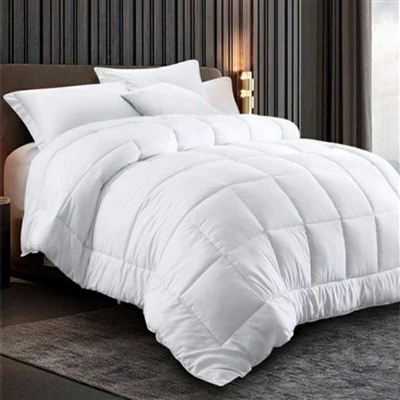
First, let’s break down what hotel bath linens are made of, because that’s the biggest piece of the puzzle. Most quality hotel linens aren’t the thin, scratchy ones you get at a discount store. We source 100% combed cotton for almost all the linens we supply—specifically, long-staple cotton, which is the stuff that gets that super soft, absorbent feel after a few washes. That material is designed to handle heavy use: hotels wash linens 5 to 10 times more often than regular residential towels, using industrial-strength detergents and high heat to kill bacteria, so they hold up to repeated scrubbing and drying. For outdoor activities, that durability is a win. A hotel bath sheet, which is bigger than a standard bath towel, can wrap around you after a swim or double as a quick cover-up at a beach bonfire without feeling too small. The absorbency is way better than a regular beach towel too, because long-staple cotton can hold up to twice its weight in water—way more than the microfiber beach towels some people use, which can leave you damp and cold after a dip.
But here’s the catch: hotel linens have a very specific job, and when you take them off-property, that job gets messed up fast. Let’s start with the practical stuff. If you take a hotel towel hiking, you’re going to get it dirty—dirt, mud, pine needles, maybe even a little campfire ash. Now, hotels wash linens in commercial washers that use big loads and powerful agitation. If you bring a dirty outdoor towel back to a hotel and leave it at the front desk, the housekeeping team has to pre-treat that dirt and ash before it can go through their industrial cycle. A single outdoor-stained towel might mean an extra 15 minutes of work for a housekeeper, and if the stain is thick (like mud or tree sap), it might not come out, which means that towel has to be discarded instead of being used for the next guest. That might seem small, but for a mid-sized hotel with 200 rooms, they go through 400 to 500 linens a day. If even 10% of those get dirty from outdoor use, that’s 40 to 50 extra towels a day that can’t be reused, which adds up to thousands of dollars a month in replacement costs. I’ve had hotel clients tell me that one guest taking a few linens camping can end up costing them $50 to $100 in replacement fees in just a weekend—money that hotels usually pass on to all guests through slightly higher room rates.
Then there’s the germ factor. You might think a hotel’s linens are already super clean, so taking them to a trail is no big deal, but outdoor spaces have all kinds of germs that aren’t usually in a hotel room’s bathroom: dirt-borne bacteria, mold spores from a damp forest floor, even plant debris that can grow mold if the towel doesn’t dry all the way before it goes back in the linen closet. Housekeeping teams are required to wash linens at a minimum of 160 degrees Fahrenheit to kill bacteria, but if a towel has been sitting in a damp hiking pack for 24 hours, it’s already growing mold, and that high heat might not be enough to fully eliminate it. Last year, one of our clients had a guest return a used bath sheet that had been left in a wet kayak bag for three days. When the housekeeping team washed it, the mold spread to three other towels in the same load, and they had to throw all four away. That’s a costly mistake, and it’s one that would never happen if the linens stayed in the hotel.
But let’s be real—most travelers don’t take linens with the intent to ruin them. A lot of people just don’t think about the logistics. They figure, “The hotel’s gonna wash it anyway, right?” But that’s not how commercial laundry works. Hotel laundry is done in bulk for efficiency, and if a towel is stained or soiled with non-hotel messes, it can throw off the entire wash cycle. For example, if you bring a sandy towel back, the sand can get into the washing machine’s filters and cause clogs, which means the machine has to be serviced, costing the hotel even more money. And let’s not forget: some hotels explicitly have policies against taking linens off-property. It’s usually in the fine print of your room key or the welcome binder, but most people skip that part. If you get caught, you might get charged a “lost or damaged linen” fee, which can be $20 to $50 per towel—way more than you’d pay for a regular outdoor towel at a big box store.
Wait, but what if you don’t bring them back? I know some people who stock up on hotel towels for camping trips, saying it’s a “free” way to get high-quality linens. But that’s not just unfair to the hotel—it’s unsustainable. Hotel linens are made to be used, but they’re not infinite. The average hotel towel lasts about two to three years, depending on use. If a hotel has to replace linens every six months because guests are taking them, they have to buy twice as many, which means more cotton, more water used in manufacturing, more transportation emissions, and more waste when the old linens are discarded. We work with a lot of small boutique hotels that prioritize sustainability, and they tell me that replacing linens early because of theft or damage is one of their top environmental headaches. They’d rather invest in a set of durable outdoor towels for their guests than deal with the cost and waste of replacing hotel linens more often.
That said, I get why hotel linens feel like the perfect outdoor solution. They’re soft, big, absorbent, and way nicer than those thin, scratchy towels you get at gas stations on road trips. So what’s the alternative? Well, a lot of hotels are starting to catch on. I’ve been supplying a few outdoor-focused resorts in the Rockies with dual-purpose linens—towels that are labeled both for hotel use and for guest takeout for outdoor activities. These towels have a little tag that says, “Great for hiking, camping, or beach days—just drop it off at the front desk when you’re done, and we’ll wash it for free.” The hotels charge a small deposit (usually $10) that you get back when you return the towel, which cuts down on theft, and because the linens are used for both hotel and outdoor purposes, the hotels don’t have to replace them as often. The guests love it because they don’t have to pack their own bulky towels for a weekend trip, and the hotels get to reduce their linen waste and replacement costs. It’s a win-win, in my book.
Another thing to consider: if you’re planning a big outdoor trip, it’s actually cheaper and more convenient to buy a set of outdoor-specific linens. We work with a lot of outdoor brands that make towels designed exactly for camping, hiking, and beach use. These towels are often made with quick-drying microfiber or recycled cotton, which is lighter than hotel linens, so they’re easier to stuff in a backpack. They’re also designed to be stain-resistant, so a little mud or pine sap comes right off in the washing machine at home, no extra work needed. Plus, you can use them over and over again, which is way more sustainable than taking a hotel towel that might get ruined after one use. I’ve had friends who tried taking hotel linens camping, and half the time, they ended up with a stained towel that they had to buy anyway, plus a fee from the hotel for damaging it. It just doesn’t make financial sense.
Let me also talk from a supplier’s perspective, because that’s something most people don’t think about. When we design hotel linens, we’re thinking about guest comfort and durability, but we’re also thinking about hotel budgets. A quality hotel bath sheet costs a hotel about $15 to $20 to buy from a supplier like me. If a guest takes that and doesn’t return it, that’s a direct loss for the hotel. For us, that means hotels buy fewer linens overall, which means less business for suppliers like us. But more than that, it means hotels might cut corners on linen quality to save money, which is bad for everyone—guests get worse towels, and suppliers have to work harder to find ways to make affordable, durable linens.
Wait, but what if you’re a traveler who’s trying to be eco-friendly? Taking a hotel towel might seem like a way to avoid buying a new product, but it’s actually the opposite. Hotel linens are manufactured with a lot of resources: it takes about 10 gallons of water to make one cotton towel, plus energy for spinning, weaving, and dyeing. If you use a hotel towel once outdoors and then it gets ruined, that’s 10 gallons of water wasted for a single use. A regular outdoor towel, on the other hand, is made to last for years, so the water and resources used to make it are spread out over hundreds of uses. Plus, a lot of outdoor towels are made with recycled materials, so they’re even more eco-friendly.
I’ve had so many conversations with hotel managers over the years about this exact topic. Most of them don’t want to ban guests from using linens for outdoor activities—they just want to find a way to make it work for everyone. Some hotels have started leaving a few extra, durable outdoor towels by the front desk for guests to borrow, so they don’t have to take the bath linens from their rooms. Others partner with local outdoor gear shops to sell discounted hotel linens that are slightly overstocked or have small defects (like a loose thread) that don’t make them suitable for hotel use. That way, guests get a great, soft towel for outdoor trips, and hotels don’t have to throw away perfectly good linens.
So, to circle back to the original question: Can hotel bath linens be used for outdoor activities? Technically, yes. They’re made of durable, absorbent cotton that works great for drying off after a hike, setting up a picnic, or wrapping up after a swim. But practically, it’s not a good idea—for you, for the hotel, and for the environment. You might end up with a stained towel and a fee, the hotel has to deal with extra work and costs, and you’re wasting resources that go into making those linens. The better solution is to plan ahead: pack a lightweight outdoor towel for your trip, or look for hotels that offer dual-purpose linens to borrow.
If you’re a hotel manager or a business owner looking to find high-quality, durable linens that work for both indoor hotel use and outdoor guest needs, feel free to reach out to us to talk about what would work for your property. We can help you design linens that hold up to heavy hotel use, are easy to launder, and can even be adapted for guest outdoor activities—no more worrying about stained towels or lost linen fees.
Hotel Bath Linens References
Textile Institute. (2022). "Durability of Cotton Linens for Commercial Use." Journal of Hospitality Textiles.
American Hotel & Lodging Association. (2023). "Hotel Linen Care and Sustainability Guidelines."
Outdoor Industry Association. (2022). "Eco-Friendly Gear for Recreational Activities."
Nantong Deeda Textile Co., Ltd.
As one of the most professional hotel bath linens manufacturers and suppliers in China, we’re featured by quality products and good service. Please feel free to wholesale bulk high-end hotel bath linens at competitive price from our factory. Customized orders are welcome.
Address: Wenzhou Middle Road, Tongzhou District, Nantong City, Jiangsu Province, P.R.China
E-mail: zama@deeda.com.cn
WebSite: https://www.hotelbeddingsupplier.com/
