Hey there! I’m a supplier of conductive polymers, and today I wanna chat about the super cool uses of these materials in anti-static applications. Conductive Polymer
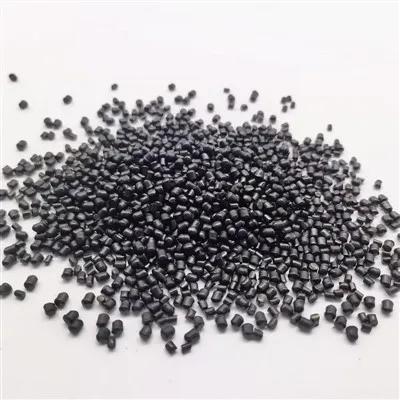
So, first off, let’s get a basic understanding of what conductive polymers are. Conductive polymers are organic materials that can conduct electricity. Unlike traditional metals, they’re lightweight, flexible, and can be easily processed into different shapes. This makes them pretty unique and opens up a whole bunch of possibilities for various applications, especially in the anti-static field.
One of the most common uses of conductive polymers in anti-static applications is in the electronics industry. In electronics manufacturing, static electricity can be a real pain in the butt. It can cause damage to sensitive electronic components, leading to malfunctions or even complete failure of the devices. Conductive polymers come to the rescue here. They can be used to make anti-static packaging materials, like bags and trays, for transporting and storing electronic parts. These materials help to dissipate static charges, protecting the delicate electronics from electrostatic discharge (ESD).
For example, when you’re shipping a brand-new smartphone or a high-end computer motherboard, you want to make sure it arrives in perfect condition. Anti-static bags made with conductive polymers can prevent static from building up and zapping the components inside. This not only reduces the risk of product damage but also saves manufacturers a ton of money on returns and replacements.
Another area where conductive polymers shine in anti-static applications is in the textile industry. Static cling is a common problem in clothing, especially in dry environments. You know that annoying feeling when your clothes stick to your body or when you get a shock when you touch something? Well, conductive polymers can help solve that.
Fabrics can be treated with conductive polymers to make them anti-static. This is done by either coating the fabric with a conductive polymer solution or incorporating the polymer into the fibers during the manufacturing process. The result is clothing that doesn’t cling and is more comfortable to wear. It’s not just about comfort, though. In some industries, like healthcare and cleanroom environments, anti-static clothing is essential. It helps to prevent the buildup of static charges that could attract dust and contaminants, which is crucial for maintaining a clean and sterile environment.
Conductive polymers also have a big role to play in the automotive industry. In cars, static electricity can cause all sorts of problems. It can attract dust and dirt to the interior, making the car look dirty and reducing the lifespan of the upholstery. It can also interfere with the electronic systems in the car, such as the radio and the navigation system.
To combat these issues, conductive polymers are used in the manufacturing of car interiors. They can be added to the plastic parts, such as dashboards and door panels, to make them anti-static. This not only keeps the car looking clean but also ensures that the electronic systems work properly. Additionally, conductive polymers can be used in the tires to reduce static buildup, which can improve the handling and safety of the vehicle.
Now, let’s talk about how conductive polymers work in anti-static applications. The key is their ability to conduct electricity. When a static charge builds up on a surface, the conductive polymer provides a path for the charge to flow away. This is known as grounding. By grounding the static charge, the polymer prevents it from building up to a level where it can cause damage or discomfort.
There are different types of conductive polymers, and each has its own unique properties and applications. Some polymers are more conductive than others, and some are better suited for certain environments or materials. For example, polyaniline is a popular conductive polymer that is known for its high conductivity and stability. It can be used in a wide range of anti-static applications, from electronics to textiles.
Another type of conductive polymer is polypyrrole. It has good mechanical properties and can be easily processed into different shapes. This makes it a great choice for making anti-static coatings and films.
As a supplier of conductive polymers, I know how important it is to choose the right polymer for the job. That’s why I offer a wide range of products to meet the different needs of my customers. Whether you’re in the electronics, textile, automotive, or any other industry, I can help you find the perfect conductive polymer for your anti-static application.
If you’re interested in learning more about conductive polymers and how they can be used in your anti-static applications, or if you’re looking to place an order, I’d love to hear from you. Just reach out to me, and we can have a chat about your specific requirements. I’m here to help you make the most of these amazing materials and solve your anti-static problems.
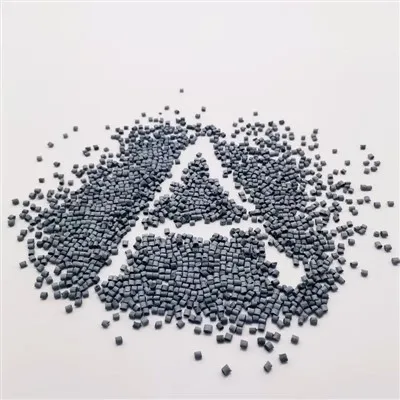
In conclusion, conductive polymers are a game-changer in the anti-static field. They offer a lightweight, flexible, and effective solution for preventing static buildup and protecting sensitive materials and equipment. Whether it’s in electronics, textiles, automotive, or other industries, the uses of conductive polymers in anti-static applications are vast and ever-growing. So, if you’re dealing with static issues, don’t hesitate to give conductive polymers a try. I’m confident that you’ll be impressed with the results.
Antistatic Additives References:
- "Conductive Polymers: Fundamentals and Applications" by Terence A. Skotheim, Ronald L. Elsenbaumer, and John R. Reynolds
- "Handbook of Conducting Polymers" edited by Terence A. Skotheim, Ronald L. Elsenbaumer, and John R. Reynolds
Jiangxi Sugo Advanced Materials Co., Ltd.
With abundant experience, we are one of the most professional conductive polymer manufacturers in China. Please feel free to buy high quality conductive polymer in stock here and get free sample from our factory. We also accept customized orders.
Address: 1st Fugong Rd, Futian Industrial Park, Dingnan, Ganzhou City, Jiangxi Prov., R.P.C 341900
E-mail: EILEEN@SUGOPLAS.COM
WebSite: https://www.sugo-esd.com/
