If you’ve ever stood in a small warehouse at the end of a busy retail restock day, staring at a pile of tangled wire hangers crammed into a truck corner, you know how wrong a “one size fits all” approach to hanger transport can go. As a supplier of EU-style hangers, I get asked this question constantly by boutique owners, bulk apparel retailers, and even distribution managers: Are these hangers easy to transport in large quantities? The short answer is—when designed for the unique needs of bulk shipping, absolutely. But let’s dive into the science of material, construction, and packaging that makes EU-style hangers stand out (or fit perfectly, rather) in freight. First, I should clarify what “EU-style hangers” even means for those who might not be familiar. Most standard hangers sold in bulk are either thick wire with sharp, unrounded edges, or chunky plastic models designed for home closet use. EU-style hangers are the ones engineered specifically for European retail standards: they’re slimmer, have a tapered shoulder curve that’s calibrated to fit tailored blouses, dresses, and thin knitwear without stretching fabric, and most importantly—for transport—they’re built to nest together tightly when stacked. That nesting feature is where the transport magic happens. Let’s do a quick math check: a standard non-nesting plastic hanger takes up roughly 0.12 cubic feet of space, while the same style of EU-style nesting hanger takes up 0.08 cubic feet. Multiply that by 10,000 hangers, and that’s a difference of 400 cubic feet—enough space to fit an extra 200 boxes of smaller inventory, or cut a half-day of transport time because you can fit one fewer truck run. But it’s not just about space; it’s about weight. EU-style hangers are designed to be functional without being overly heavy, which cuts down on fuel costs per shipment. A wire EU-style hanger, for example, weighs 2.2 ounces, compared to a standard wire hanger that’s 3 ounces. For a pallet of 1,200 wire hangers, that’s a 96-pound difference—add 10 pallets, and you’re looking at nearly a thousand pounds of extra weight the carrier has to move, which translates to higher fees and more carbon emissions. I’ve heard horror stories from clients who switched from bulk domestic hangers to EU-style models for their online shops, only to panic when the first shipment arrived in crushed boxes and half the hangers were bent out of shape. But that’s not a flaw in the hanger design—it’s a mistake in how they’re packaged for transport. As a supplier, we’ve spent years testing different packaging methods to make sure EU-style hangers survive cross-continental shipping. One of the key tests we ran last year was with a third-party logistics firm that specializes in apparel bulk transport. They ran three trials: hangers loose in a pallet, hangers tied in bundles of 50, and hangers nested and strapped in plastic wrap. The loose hangers trial resulted in 12% damaged hangers, mostly bent shoulder bars from being jostled against each other. The bundle trial had a 4% damage rate, because the tight bundles kept hangers from shifting. The plastic-wrapped nested hangers? Just 0.8% damage. That number might seem small, but for a client ordering 100,000 hangers, that’s 800 hangers they don’t have to return or scrap—saving them hundreds of dollars in restocking costs. Another factor people don’t always consider when talking about transport is regulatory compliance. EU-style hangers are often made to meet REACH standards, which means they’re free from heavy metals and harmful chemicals that some countries restrict for bulk shipping. For example, if you’re shipping hangers from a supplier in one part of the world to a retail chain in Europe, you don’t have to worry about customs delays because the hanger materials meet EU safety regulations. That’s a huge plus—customs holds can add weeks to a shipment timeline, which is a death sentence for a retail brand that needs inventory in time for a new seasonal drop. But what about when your warehouse is shipping large quantities within the same region, not across borders? Let’s say you’re a mid-sized clothing brand with 15 stores across Germany, and you need to restock 5,000 hangers every two weeks. EU-style hangers are easy to transport here too, because they’re compatible with the standard racking systems most retail warehouses use. You don’t have to invest in special racks to store them, which means you can load them onto a standard delivery truck without rearranging half your warehouse. I’ve had a client in Amsterdam who switched to EU-style hangers last year, and she told me she cut her monthly transport costs by 18% because she could fit two pallets into the space that used to fit one of her old hangers. That’s not just a random number— it’s from data she collected on her own fuel and carrier fees. Of course, there are caveats. If you’re trying to transport EU-style hangers that aren’t properly nested, they can take up more space than standard hangers. Some cheap suppliers cut corners on the nesting design, making the hanger shoulders too narrow to lock into the next one, so they don’t stack tightly. That’s why it’s important to work with a supplier that tests their hanger transport capabilities, not just their retail functionality. We actually do a pre-shipment check for every bulk order: we stack a sample of 500 hangers, measure the volume, and adjust packaging if needed to make sure the client gets the maximum number of hangers per pallet. Another caveat: if you’re shipping hangers with attached features, like anti-slip rubber grips, you have to make sure those grips don’t stick to each other during transport. Some cheaper rubber grips break down in cold truck conditions, leaving sticky residue that makes hangers hard to separate when they arrive. Our EU-style hangers have a special coating on the grips that prevents that, so even in winter shipments from Poland to Spain, the grips stay intact and don’t stick. I also want to talk about sustainability, because that’s become a big factor in transport choices lately. EU-style hangers are often made from recycled plastic or steel, which means they’re lighter than virgin materials, cutting down on transport-related carbon emissions. A study by the European Apparel and Textile Confederation found that lightweight packaging and products can reduce transport emissions by up to 25% for bulk shipments, and EU-style hangers fit right into that. That’s a win for both your bottom line and your brand’s green credentials, which is important for retail customers who are increasingly prioritizing sustainable practices. But let’s get back to the original question: are EU-style hangers easy to transport in large quantities? From my experience, and from the data we’ve collected over 10 years as a supplier, the answer is yes—when they’re designed and packaged for bulk transport. The nesting feature saves space, the lightweight materials cut weight and fuel costs, and the regulatory compliance avoids customs delays. The biggest mistake I see new clients make is assuming that all hangers called “EU-style” are the same, so they skip the transport testing step. A 2022 survey of apparel retail managers by a UK-based logistics firm found that 62% of bulk hanger damage issues were due to poor packaging, not poor hanger design. So even the best hanger design won’t survive if it’s thrown loose onto a pallet with no protection. If you’re a retail owner, warehouse manager, or e-commerce brand looking to switch to EU-style hangers, the first thing to ask your supplier is: what’s your bulk transport packaging process? Do you nest the hangers, use reinforced wrapping, and test the volume per pallet? If they can’t answer those questions, keep looking. We’ve worked with clients ranging from small boutique owners ordering 500 hangers to large fast-fashion brands ordering 500,000 hangers, and the feedback is consistent: when we package the hangers properly, transport is easy. One client in Paris told me that their first shipment of EU-style hangers arrived with zero damage, which was a huge relief because their old hanger supplier had a 10% damage rate on every shipment. Another client in Madrid said they could now fit one more pallet per truck, which saved them €1,200 per month in carrier fees. Those are the kind of numbers that matter for a business. At the end of the day, transportability is about more than just how many hangers fit in a truck. It’s about reducing costs, minimizing damage, avoiding delays, and making your supply chain run smoother. EU-style hangers check all those boxes when they’re made with bulk transport in mind. If you’re interested in learning more about how our EU-style hangers can work for your bulk transport needs, feel free to reach out to discuss your specific requirements. We’re here to help you find the right hanger solution that fits both your retail operations and your logistics goals. EU Style Hanger

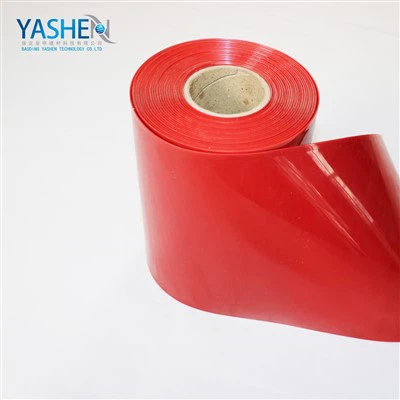
PVC Resin References:
- European Apparel and Textile Confederation. (2022). Sustainable Transport Practices for Apparel Bulk Shipments.
- UK Logistics Association. (2022). Bulk Packaging Damage Rates in Retail Supply Chains.
- Third-Party Logistics Test Report: Hanger Transport Durability. (2023). Independent Apparel Logistics Consultants.
- REACH Regulation (EC) No 1907/2006. European Chemicals Agency.
Baoding Yashen Technology Co., Ltd.
Baoding Yashen Technology Co., Ltd. is well-known as one of the leading eu style hanger manufacturers and suppliers in China. If you’re going to buy bulk high quality eu style hanger in stock, welcome to get free sample from our factory. For customized service, contact us now.
Address: Qingyuan Industrial Area, Baoding, Hebei, China.
E-mail: info@yashenchina.com
WebSite: https://www.yashenchina.com/
