Yo! I’m a supplier of FRP Standard Profiles, and today I wanna chat about the shear properties of these awesome products. FRP Standard Profile

Let’s first break down what shear properties actually are. Shear is all about the force that causes one part of a material to slide past another part in a direction parallel to their plane of contact. For FRP Standard Profiles, understanding shear properties is super crucial because it helps us figure out how well these profiles can handle loads that try to make them deform in a shearing way.
One of the key factors that affect the shear properties of FRP Standard Profiles is the fiber orientation. You see, FRP stands for Fiber – Reinforced Polymer. The fibers in these profiles are like the backbone, giving the material its strength. When the fibers are aligned in a certain direction, they can resist shear forces better. For example, if the fibers are oriented parallel to the direction of the shear force, they can act like little bridges, transferring the force along the length of the fiber and preventing the material from breaking apart easily. But if the fibers are randomly oriented, the shear resistance might not be as good, as the force won’t be transferred as effectively through the material.
Another important aspect is the resin matrix. The resin in FRP Standard Profiles holds the fibers together. A high – quality resin can enhance the shear properties of the profile. It acts as a glue that distributes the shear stress evenly across the fibers. If the resin has good adhesion to the fibers, it can prevent the fibers from slipping past each other when a shear force is applied. On the other hand, a poor – quality resin might lead to premature failure under shear loads.
The manufacturing process also plays a huge role. Different methods of making FRP Standard Profiles can result in different shear properties. For instance, in pultrusion, which is a commonly used process, the continuous pulling of fibers through a resin bath and a heated die results in a profile with a relatively consistent fiber distribution. This can lead to predictable and good shear properties. In contrast, hand – layup methods might have more variability in fiber placement and resin distribution, which can affect the shear performance of the final product.
Now, let’s talk about why we, as FRP Standard Profile suppliers, care so much about the shear properties. Well, in real – world applications, these profiles are used in all sorts of situations where they’re exposed to shear forces. Take construction, for example. FRP profiles are often used in building structures like bridges, walkways, and support beams. In these applications, the profiles need to be able to withstand the shear forces caused by the weight of the structure, wind, and even seismic activity. If the shear properties of the profiles aren’t up to the mark, the whole structure could be at risk.
In the transportation industry, FRP profiles are used in the manufacturing of vehicles to reduce weight without sacrificing strength. When a vehicle is in motion, it experiences all kinds of forces, including shear forces. For example, during rapid acceleration or braking, the profiles used in the vehicle’s frame need to be able to handle the shear stress to ensure the safety and integrity of the vehicle.
We also have to consider the environmental factors that can affect the shear properties of FRP Standard Profiles. Exposure to high temperatures, moisture, and chemicals can all degrade the material over time. High temperatures can cause the resin to soften, reducing its ability to hold the fibers together and thus weakening the shear resistance. Moisture can seep into the material, causing the fibers to delaminate from the resin matrix. Chemicals can react with the resin, changing its properties and making the profile more susceptible to shear failure.
As a supplier, we take all these factors into account when we’re developing and producing our FRP Standard Profiles. We use advanced testing methods to measure the shear properties of our products. One common test is the short – beam shear test. In this test, a small specimen of the profile is placed on two supports and a load is applied at the center until the specimen fails in shear. By measuring the load at failure and the dimensions of the specimen, we can calculate the shear strength of the material.
We also do long – term testing to simulate the effects of environmental exposure on the shear properties. For example, we might expose specimens to high humidity and temperature for an extended period of time and then retest their shear strength. This helps us understand how our products will perform in real – world conditions over their lifespan.
In conclusion, the shear properties of FRP Standard Profiles are a complex but essential aspect of these products. As a supplier, we’re constantly working to improve these properties to meet the needs of our customers. Whether it’s in construction, transportation, or any other industry, our goal is to provide profiles that can withstand the toughest shear forces and last for a long time.
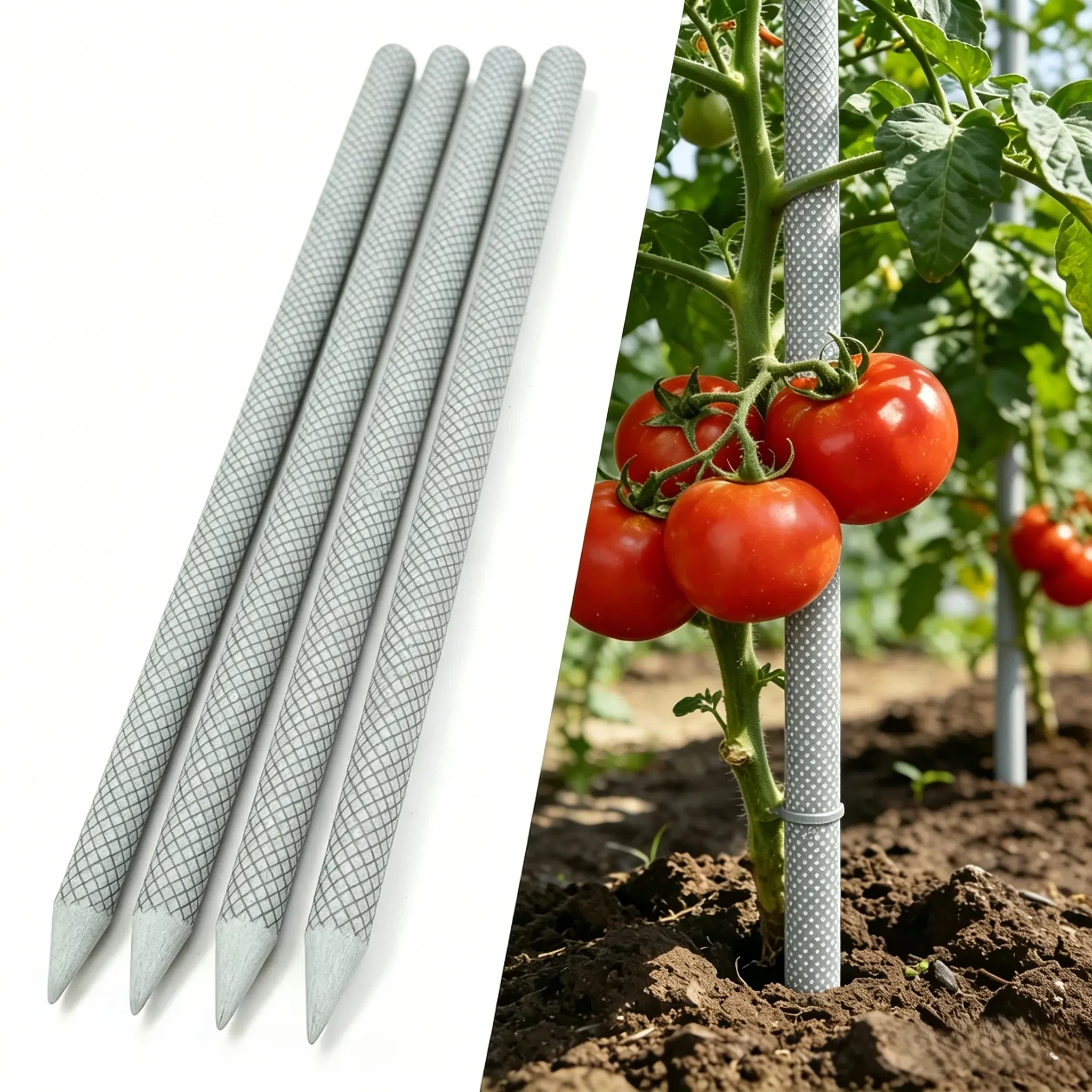
If you’re in the market for high – quality FRP Standard Profiles and want to learn more about how our products can meet your specific requirements in terms of shear properties and other aspects, don’t hesitate to reach out to us for a procurement discussion. We’re here to help you find the perfect solution for your project.
Fiberglass Handrail and Fencing References:
- Composite Materials Handbook by various authors
- Journal of Composite Materials articles on FRP profile properties
Yizheng Wanteng Composites Co., Ltd.
As one of the most professional FRP standard profile manufacturers and suppliers in China, we’re featured by quality products and good service. Please rest assured to wholesale bulk slip-resistant FRP standard profile for sale here from our factory. Contact us for pricelist.
Address: No. 20 Longyi Road, Qingshan Town Industrial Park, Yizheng City, Jiangsu Province, China
E-mail: mark@wantfrp.com
WebSite: https://www.wantfrp.com/
