As a seasoned supplier of power inductors, I’ve witnessed firsthand the pivotal role these components play in modern electronics. Power inductors are essential in power supply circuits, where they store and release energy, filter out noise, and regulate current. The performance of a power inductor is largely determined by the core materials used in its construction. In this blog, I’ll delve into the core materials commonly employed in power inductors, their unique properties, and how they impact the overall performance of the inductor. Power Inductor
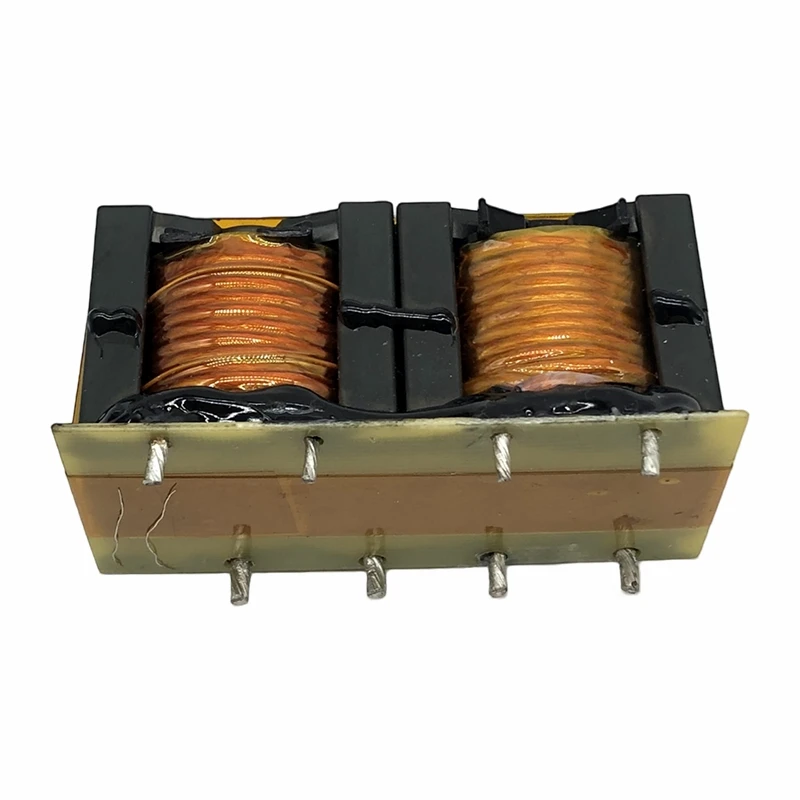
Ferrite Cores
Ferrite cores are one of the most widely used materials in power inductors. They are made from a ceramic compound of iron oxide mixed with various metal oxides, such as manganese, zinc, or nickel. Ferrite cores offer several advantages that make them suitable for a wide range of applications.
One of the key benefits of ferrite cores is their high magnetic permeability. Magnetic permeability is a measure of how easily a material can be magnetized. A high permeability allows the inductor to store more magnetic energy for a given current, resulting in a higher inductance value. This makes ferrite cores ideal for applications where high inductance is required, such as in power supplies and voltage regulators.
Ferrite cores also have low core losses, especially at high frequencies. Core losses occur when the magnetic field in the core changes, causing energy to be dissipated as heat. Low core losses are crucial in high-frequency applications, as they help to improve the efficiency of the inductor and reduce the amount of heat generated. This is particularly important in power electronics, where high efficiency is essential to minimize power consumption and extend the lifespan of the components.
Another advantage of ferrite cores is their high electrical resistivity. Electrical resistivity is a measure of how well a material resists the flow of electric current. A high resistivity helps to reduce eddy current losses, which are caused by circulating currents induced in the core by the changing magnetic field. Eddy current losses can be a significant source of power dissipation in inductors, especially at high frequencies. By using a high-resistivity ferrite core, these losses can be minimized, resulting in a more efficient inductor.
However, ferrite cores also have some limitations. They have a relatively low saturation flux density, which means that they can only handle a limited amount of magnetic flux before they become saturated. When a core becomes saturated, its inductance value drops significantly, which can lead to a decrease in the performance of the inductor. This makes ferrite cores less suitable for applications where high current handling capabilities are required.
Powdered Iron Cores
Powdered iron cores are made from small particles of iron that are insulated from each other and compressed into a solid core. This construction method gives powdered iron cores several unique properties that make them suitable for certain applications.
One of the main advantages of powdered iron cores is their high saturation flux density. The saturation flux density of a core is a measure of the maximum amount of magnetic flux that it can handle before it becomes saturated. A high saturation flux density allows the inductor to handle high currents without saturating, making powdered iron cores ideal for applications where high current handling capabilities are required, such as in power converters and motor drives.
Powdered iron cores also have a relatively low cost compared to other core materials. This makes them a popular choice for applications where cost is a major consideration, such as in consumer electronics and automotive applications.
In addition, powdered iron cores have a high resistance to DC bias. DC bias is the presence of a constant DC current in addition to the AC current flowing through the inductor. When a DC current is applied to an inductor, it can cause the core to become saturated, which can lead to a decrease in the inductance value. Powdered iron cores are relatively resistant to DC bias, which means that their inductance value remains relatively stable even when a DC current is present.
However, powdered iron cores also have some drawbacks. They have a relatively high core loss compared to ferrite cores, especially at high frequencies. This makes them less suitable for applications where high efficiency is required at high frequencies.
Iron Powder Cores
Iron powder cores are similar to powdered iron cores, but they are made from a mixture of iron powder and a binder material. The binder material helps to hold the iron powder particles together and provides some insulation between them.
One of the advantages of iron powder cores is their good magnetic properties. They have a relatively high magnetic permeability, which allows the inductor to store a significant amount of magnetic energy. Iron powder cores also have a relatively high saturation flux density, which means that they can handle high currents without saturating.
Another advantage of iron powder cores is their good temperature stability. The magnetic properties of iron powder cores are relatively stable over a wide temperature range, which makes them suitable for applications where the temperature can vary significantly, such as in automotive and industrial applications.
Iron powder cores also have a relatively low cost compared to some other core materials, making them a cost-effective choice for many applications.
However, like powdered iron cores, iron powder cores have relatively high core losses at high frequencies. This can limit their use in high-frequency applications where efficiency is a critical factor.
Nanocrystalline Cores
Nanocrystalline cores are a relatively new type of core material that has gained popularity in recent years. They are made from a nanocrystalline alloy, which consists of tiny crystals with a size on the order of nanometers.
One of the main advantages of nanocrystalline cores is their extremely high magnetic permeability. Their high permeability allows them to achieve very high inductance values in a relatively small size. This makes nanocrystalline cores ideal for applications where space is limited, such as in portable electronics and high-density power supplies.
Nanocrystalline cores also have very low core losses, even at high frequencies and high flux densities. This high efficiency is a significant advantage in applications where power consumption needs to be minimized, such as in renewable energy systems and high-performance computing.
In addition, nanocrystalline cores have a high saturation flux density, which means they can handle high currents without significant saturation. This makes them suitable for high-power applications.
However, nanocrystalline cores are relatively expensive compared to other core materials, which can limit their use in cost-sensitive applications.
Amorphous Cores
Amorphous cores are made from a metallic glass alloy that has a disordered atomic structure. This unique structure gives amorphous cores several advantageous properties.
Amorphous cores have very low core losses, especially at low and medium frequencies. This makes them very efficient for use in applications such as transformers and power inductors in power distribution systems, where minimizing energy losses is crucial.
They also have a relatively high saturation flux density, allowing them to handle moderate to high currents. Amorphous cores can operate at relatively high temperatures while maintaining stable magnetic properties, which is beneficial in high – temperature environments.
On the downside, amorphous cores can be more difficult to manufacture compared to some other core materials, which can result in higher production costs. Their mechanical properties are also somewhat brittle compared to traditional magnetic materials.
Conclusion
Selecting the right core material for a power inductor is crucial for achieving optimal performance in any application. Each type of core material – ferrite, powdered iron, iron powder, nanocrystalline, and amorphous – has its own set of advantages and limitations. Factors such as operating frequency, current handling capability, required inductance, size constraints, and cost all play important roles in determining the most suitable core material.
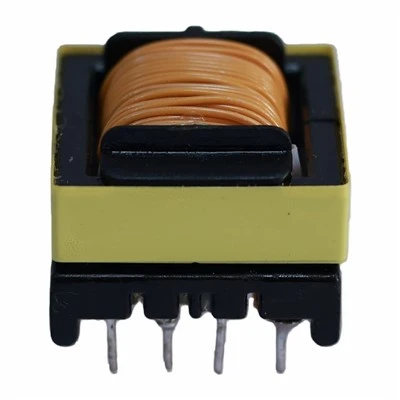
As a power inductor supplier, I understand the importance of providing high – quality components that meet the specific needs of our customers. Whether you’re working on a small – scale consumer electronics project, a high – power industrial application, or a cutting – edge renewable energy system, I can help you choose the right power inductor with the appropriate core material.
Inductor If you’re in the market for power inductors and want to discuss your requirements, I invite you to get in touch. Our team of experts is ready to assist you in finding the best solutions for your applications. Let’s work together to ensure your electronic systems operate at their best.
References
- "Magnetic Materials and Their Applications" by E. C. Snelling.
- "Power Electronics: Converters, Applications, and Design" by Ned Mohan, Tore M. Undeland, and William P. Robbins.
- "Handbook of Magnetic Materials" edited by Klaus H. J. Buschow.
Dongguan Hensiron Electric Co., Ltd.
As one of the most professional power inductor suppliers in China, we have world-leading production equipment and strong manufacturing capabilities. Please feel free to buy high quality power inductor made in China here from our factory. Customized orders are welcome.
Address: Building 4, Xinxing Industrial Zone, Wangao Road, Wanjiang Street, Dongguan City, China
E-mail: jessica@dghensiron.com
WebSite: https://www.dghensiron.com/
