As a seasoned supplier in the pipe fittings industry, I’ve had countless discussions with customers about the various types of fittings and their applications. One fitting that often sparks curiosity and questions is the tee fitting. In this blog post, I’ll delve into the purpose of a tee fitting, its different types, and its wide – ranging applications in the world of piping systems. Pipe Fittings
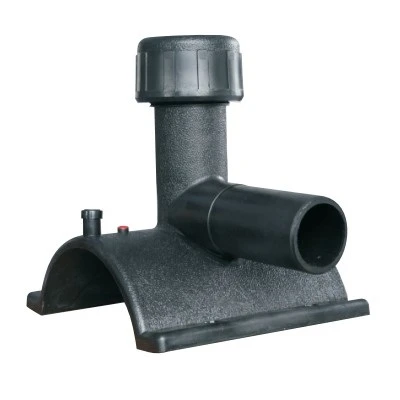
Understanding the Basics of a Tee Fitting
A tee fitting, as the name suggests, is shaped like the letter "T". It has three openings: one inlet and two outlets, or vice – versa, depending on how it’s used in a piping system. The main function of a tee fitting is to split the flow of a fluid (liquid or gas) from one pipe into two different directions, or to combine the flow from two pipes into one.
This simple yet ingenious design allows for a high degree of flexibility in piping layouts. Whether it’s in a residential plumbing system, an industrial manufacturing plant, or a commercial building’s HVAC system, tee fittings play a crucial role in directing the flow of substances where they need to go.
Different Types of Tee Fittings
There are several types of tee fittings, each designed to meet specific requirements in different applications.
Equal Tee Fittings
Equal tee fittings have all three openings of the same size. These are commonly used when the flow needs to be divided equally between two branches or when the flow from two equal – sized pipes needs to be combined. For example, in a water distribution system in a building, an equal tee can be used to split the main water supply into two separate lines of the same diameter, providing an equal amount of water to different areas.
Reducing Tee Fittings
Reducing tee fittings have one opening that is smaller than the other two. This type of tee is useful when you need to split the flow into a smaller – diameter pipe while maintaining a larger – diameter main pipe. In an industrial process where a large amount of fluid is being transported in a main pipe, but a smaller amount is required for a specific auxiliary process, a reducing tee can be used to divert the appropriate amount of fluid into the smaller pipe.
Unequal Tee Fittings
Unequal tee fittings are similar to reducing tees but have a more complex size combination. They are used in situations where the flow needs to be split or combined between pipes of different, non – standard sizes. This type of tee is often found in custom – designed piping systems where specific flow requirements need to be met.
Applications of Tee Fittings
The applications of tee fittings are vast and span across multiple industries.
Residential Plumbing
In the average home, tee fittings are used extensively in the plumbing system. They are used to split the main water supply into different fixtures such as sinks, toilets, and showers. For example, when installing a new bathroom, a tee fitting can be used to divert water from the main supply line to both the sink and the shower. Additionally, tee fittings are also used in the drainage system to combine the waste water from different fixtures into a single drain pipe.
Industrial Manufacturing
In industrial settings, tee fittings are crucial for the efficient operation of manufacturing processes. In chemical plants, they are used to distribute various chemicals to different production lines. In food processing facilities, tee fittings are used to split and combine the flow of ingredients and cleaning fluids. The ability to control the flow of substances is essential for maintaining the quality and efficiency of the manufacturing process.
HVAC Systems
Heating, ventilation, and air – conditioning (HVAC) systems rely heavily on tee fittings. They are used to distribute the hot or cold air throughout the building. For example, in a large office building, the main ductwork uses tee fittings to split the conditioned air into different rooms and zones. This ensures that each area of the building receives the appropriate amount of heating or cooling.
Oil and Gas Industry
In the oil and gas industry, tee fittings are used in pipelines to transport crude oil, natural gas, and various petroleum products. They are designed to withstand high pressures and corrosive environments. Tee fittings in this industry are often made of high – strength materials such as stainless steel or carbon steel to ensure the safety and reliability of the pipeline network.
Advantages of Using Tee Fittings
Using tee fittings in piping systems offers several advantages.
Flexibility in Design
Tee fittings allow for a wide range of piping layouts to be designed. Engineers and installers can easily create complex systems that meet specific requirements by using different types of tee fittings. This flexibility is especially important in large – scale projects where the layout needs to be optimized for space, efficiency, and cost.
Easy Installation
Tee fittings are relatively easy to install compared to other complex piping components. They can be connected to pipes using various methods such as welding, threading, or flanging. This ease of installation reduces the time and labor required for piping system construction, resulting in cost savings.
Cost – Effective
Tee fittings are generally cost – effective compared to other types of flow – control devices. They provide a simple and reliable solution for splitting or combining the flow of fluids, making them a popular choice in many applications.
Quality Considerations for Tee Fittings
As a pipe fittings supplier, I understand the importance of providing high – quality tee fittings to my customers. When selecting tee fittings, several factors need to be considered.
Material
The material of the tee fitting is crucial as it determines its durability, corrosion resistance, and compatibility with the fluid being transported. Common materials for tee fittings include stainless steel, carbon steel, brass, and PVC. For example, in a corrosive environment such as a chemical plant, stainless steel tee fittings are often the preferred choice due to their high resistance to corrosion.
Pressure Rating
The pressure rating of the tee fitting must be suitable for the operating pressure of the piping system. Using a tee fitting with a lower pressure rating than required can lead to leaks or even pipe failures, which can be dangerous and costly.
Manufacturing Standards
Tee fittings should be manufactured in accordance with relevant industry standards. These standards ensure that the fittings meet specific quality and performance requirements. For example, in the United States, many pipe fittings are manufactured to meet the standards set by the American Society of Mechanical Engineers (ASME).
Conclusion

In conclusion, the purpose of a tee fitting is to provide a simple yet effective solution for splitting or combining the flow of fluids in a piping system. Its versatility and wide range of applications make it an essential component in various industries, from residential plumbing to industrial manufacturing and oil and gas. As a pipe fittings supplier, I am committed to providing high – quality tee fittings that meet the diverse needs of my customers.
PE Electrofusion Fittings If you are in need of tee fittings for your project or have any questions about our products, I encourage you to reach out to us for a procurement discussion. We have a team of experts who can assist you in selecting the right tee fittings for your specific requirements.
References
- ASME B16.9 – Factory – Made Wrought Buttwelding Fittings
- ASTM International Standards for Pipe Fittings
- "Piping Handbook" by Cameron Engineering and Associates
Zhejiang Shengbo Pipe Fittings & Valves Industry Co., Ltd.
With abundant experience, we are one of the most professional pipe fittings manufacturers and suppliers in China. Please feel free to buy discount pipe fittings from our factory. Welcome to contact us for quotation and free sample.
Address: No. 79 Hemudu North Road, Hemudu Town, Yuyao City, Ningbo City, Zhejiang Province, China
E-mail: shengbo@zj-shengbo.com
WebSite: https://www.shengbofitting.com/
