Hey everyone, it’s Jake from the go-kart rental spot you probably drag your friends to on weekends. Let’s cut to the chase: when you’re strapping into a go-kart, the last thing you wanna worry about is a tire blowout mid-race. I get it—you’re hyped for that drift around the hairpin, not staring at a weird crack and thinking “is this thing safe?” So today, we’re breaking down exactly how we check our rental go-kart tires, whether they’re actually in good shape, and what you should be looking for if you’re heading to a rental spot soon. No boring tech jargon, just real talk from the guy who’s kneeling in the dirt swapping tires at 7 a.m. every Saturday. Go Kart Rental
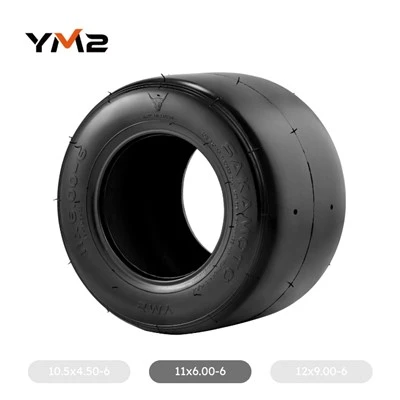
First off, let’s get one thing straight: rental go-kart tires aren’t like the ones on your mom’s minivan. We beat these things up. Every single shift, someone’s sliding into a corner too hot, cutting the curb, maybe even a little too eager on the gas at the start line. So our tire maintenance isn’t a “set it and forget it” thing—it’s basically a nonstop job. A lot of new customers ask me “wait, you guys don’t just rotate these once a month?” Nah, that’s crazy. Our karts do 10-15 runs a day on weekends, and even during the slow weekdays, there’s still practice sessions and birthday groups tearing through them. So we have a strict checklist that we run through after every single kart comes in. No exceptions.
Let’s start with the big one: tread depth. I know you’ve heard this for car tires, but go-kart tread is way more finicky. Car tires have that super specific 2/32 of an inch “legal limit,” right? For go-karts? It’s different—like, we usually swap a tire when it gets to around 4/32 of an inch, or sometimes even earlier if it’s worn unevenly. Why? Because go-karts don’t have brakes like cars do—they just have that little disc that grabs, and all the grip comes from that tire touching the track. If the tread’s gone, there’s nothing between the rubber and the track (especially if it’s damp, yuck) so you’ll slide way more than you planned. How do we measure it? We use those little tread gauges, yeah, but honestly after 10 years of this job, I can eyeball it. If you run your thumb across the tread and there’s no little ridges left, that tire’s done. I’ll see a kid at the track asking for a go-kart and I’ll glance at the tires and go “nope, sorry, this one’s getting swapped before you get in.”
Next up, wear patterns. This is the stuff most people don’t think about, but it’s actually way more important than just how deep the tread is. You’ll get uneven wear for all kinds of reasons—maybe the kart’s alignment is off, or someone’s always drifting the same exact corner. The most common bad wear we look for is “cupping,” where little dips or bumps form across the tire. That’s a nightmare because it makes the kart vibrate like crazy at speed, and it can throw your handling off so bad you’ll spin out. We also watch for “shoulder wear”—when the edges of the tire are worn way thinner than the middle. That usually means someone’s always riding the edge of the track, which overheats the tire and wears it out fast. A few weeks ago, we had a group of teens who kept cutting the same tight hairpin, and that tire on that side wore down so bad we had to swap it mid-day. I yelled at them, but honestly? It’s our job to check for that before it becomes a problem.
Then there’s the stuff that’s not about how much rubber is left—damage. Cracks, cuts, bulges, nails, glass, even little bits of gravel stuck in the tread. Let’s talk about cracks first. You’ll get those on the sidewalls sometimes, right? Those are bad news because the sidewall is what holds the air in, and a big crack can blow out at 30 mph. We check every inch of the tire, inside and out, after each run. I’ve pulled out glass from a tire more times than I can count—someone drops a beer bottle on the track (don’t do that, seriously) and we have to dig every shard out before the next kart hits. Bulges are another big red flag—those are where the internal cords of the tire are damaged, and it can blow out without any warning. Last year, we caught a bulge on a kart that had come in from a rental group, and we swapped it right away. The kid who would’ve driven it later told us he was gonna try to do a 360 in it—glad we caught that.
Now, let’s be real—we can’t catch every tiny thing every single time. Sometimes a nail will work its way out between checks, or a small crack will get bigger fast. That’s why we have a schedule for replacing entire tires, not just swapping them when we see damage. For most of our rental fleet, we replace the tires every 150-200 hours of use. That might sound like a lot, but when you think about how many times a kart is driven in a day, it adds up quick. We also rotate tires regularly—like, every 25 hours—so they wear evenly. That way, a tire on the front left doesn’t get 100 hours of use while the back right only gets 50. It saves us money in the long run, but more importantly, it keeps the karts safe for our customers.
Wait, I know what you’re thinking: what about the rental spot I went to last month where the tires looked like they were 10 years old? Yeah, that sucks, and there’s a reason some spots cut corners. Tires are expensive—like, a good go-kart tire is $80-$120 each, and a kart has four, so swapping all four is $300-$500. If a spot only runs karts on weekends, they might think “we don’t need to swap them this month” but that’s a mistake. We don’t skimp on that—because if someone gets hurt because our tire is bad, that’s way worse than the money we’d save cutting corners.
Also, let’s talk about tire pressure. I almost forgot that one, and it’s a huge one. If the pressure is too low, the tire wears out way faster, and it handles weird. Too high, and it’s more likely to blow out. We check tire pressure every single morning before we open, and sometimes mid-day if it’s hot out—because when it’s 90 degrees, the air inside the tire expands, and pressure goes up. Last summer, we had a heatwave, and we had to check pressure three times a day because it was jumping up 5 PSI every few hours. That’s the kind of detail most rental spots don’t think about, but it makes all the difference.
So, if you’re heading to a go-kart rental spot and you wanna check if the tires are in good shape, here’s my quick tip list, no fancy tools needed. First, glance at the tread—if it’s smooth all over, no little ridges, keep walking. Second, look for cracks or bulges on the sidewalls and around the tread. If you see any, skip that kart. Third, make sure there’s no weird uneven wear—if the edges are way thinner than the middle, that’s a red flag. And if the staff seems rushed, or doesn’t even glance at the tires before sending a kart out? Probably go somewhere else.

Now, let’s get real for a second—this job is hard, and we make mistakes sometimes. Last year, I missed a tiny nail in a tire, and when a kid drove it, he felt a little bump, but nothing bad happened. We fixed that real quick after that, now two of us check each tire after every run. It’s not perfect, but we care more about safety than anything else. That’s why we spend so much time on tire checks—we don’t want our customers to get hurt, and we don’t want to ruin your fun.
Motorcycle Parts If you’re a fellow kart enthusiast, or you’re in charge of a rental fleet, hit me up if you have questions about tire maintenance. I’ve been doing this for 12 years, and I’ve got a ton of tips I don’t post here. Whether you’re looking to upgrade your fleet’s tires, need advice on track maintenance, or just wanna chat about go-kart hacks, I’m here. We’re always looking to work with other rental spots too, so if you’re interested in partnering up, shoot me a note. Don’t leave your fleet’s safety to chance—let’s make sure every driver is on a kart that’s ready to race.
References
- Go Kart Technical Association. (2021). Rental Go-Kart Tire Maintenance Best Practices. GKA Industry Safety Guidelines.
- National Recreation and Park Association. (2022). Rental Recreational Vehicle Tire Inspection Standards. NRPA Safety Report.
- Tire Industry Association. (2020). Specialty Tire Safety for Small Recreational Vehicles. TIA Technical Bulletin RT-17.
- International Karting Federation. (2021). Competition and Rental Kart Tire Durability Requirements. FIK Safety Standards.
- Occupational Safety and Health Administration. (2019). Equipment Safety for Outdoor Recreational Facilities. OSHA Publication 3800-15.
J. Y. Montage Trade Industry Co., Ltd.
As one of the most professional go kart rental manufacturers and suppliers, we’re featured by quality products and good price. Please rest assured to wholesale bulk customized go kart rental from our factory. Welcome to contact us for quotation.
Address: No.47, Jianbao St., Changhua City, Changhua County 50060, Taiwan (R.O.C.)
E-mail: marketing@jy-montage.com
WebSite: https://www.sakamoto-tire.com/
