If you’ve ever spent hours troubleshooting a hydraulic system leak mid-job—whether you’re on a farm fixing a combine, a construction site with a backhoe down, or even in a shop troubleshooting a forklift—you know how frustrating that tiny, stupid leak can be. It’s not just messy; it’s a safety hazard, a money drain, and a total buzzkill for your whole shift. As a hydraulic adapter supplier, I’ve heard every story: guys who skipped a simple step and ruined a $2,000 hose, teams who lost half their hydraulic fluid overnight, projects that got delayed just because someone cut corners on connections. The good news? Most hose-adapter leaks aren’t from bad parts—they’re from bad installation or missing small steps that people brush off. Today, I’m breaking down exactly how to make that connection tight, no more midnight troubleshooting, no more wasted parts. Hydraulic Adapter
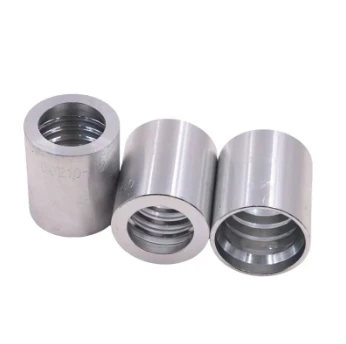
First off, let’s get one thing straight: not all adapters and hoses are a match. I see it every day—guys ordering a “random” adapter and a random hose, throwing them together, and wondering why it leaks. It’s not rocket science, but it’s specific. Hydraulic hoses have layers: the inner tube (usually rubber or thermoplastic, meant for moving fluid), the reinforcement layer (steel wire braid or spiral, that’s what handles pressure), and the outer cover (protects from abrasion, chemicals, UV). Adapters are made to thread onto your hydraulic system, and they have specific end types that fit exactly one style of hose.
Here’s the first rule I drill into every customer: check the specs. Not just the part numbers (though those matter too), but the size, the thread type, and the pressure rating. Let’s talk threads—this is where so many people mess up. You’ve got NPT (National Pipe Thread) which is tapered, NPTF (dryseal National Pipe Thread) which is a better version of that, BSPP (British Parallel Pipe) which is straight, and BSPT (British Tapered). Mixing a tapered thread with a straight one is a recipe for leaks. I once had a guy come back screaming because we sold him a 1/2” BSPP adapter to go with his old NPT hose—he just screwed them together like he always did, and it leaked so bad he had to replace the whole hose. Tapered threads rely on that taper to pull tight and create a seal; straight threads need an O-ring, a copper gasket, or some other sealant because they don’t taper. If you skip that, there’s a tiny gap, and when the system builds pressure, fluid gets pushed right through.
Next up—prepping the hose. This is the step most guys rush through, and it’s where leaks hide. You can’t just cut a hose and slide it onto an adapter. The cut has to be clean, square, no frays, no burrs. If your cut is at a 45-degree angle, that’s a problem. The reinforcement layer inside has to be perfectly aligned when you insert the hose, otherwise it won’t seat all the way. How do you get a good cut? Don’t use a dull hacksaw—use a dedicated hose cutter. They’re cheap, they make a straight, clean cut, no metal shavings that can get into the hose and ruin your system. Speaking of shavings—after you cut the hose, you have to deburr the inside and outside. Those tiny metal bits from the cut will scratch the inner tube, damage the seal, and even clog your system if they get loose. I see guys skip this all the time, and six months later they’re back replacing hoses because of internal damage.
Then there’s skiving. Wait, what’s skiving? If you’re using a crimped hose assembly (which is the most common for high-pressure applications), skiving is stripping off the outer cover and a tiny bit of the reinforcement layer so the crimping ferrule can grip properly. If you don’t skive enough, the ferrule won’t clamp down on the reinforcement, and it’ll slip. If you skive too much, you damage the inner tube, and that’s a leak waiting to happen. This is not a DIY thing for most people—use a quality skiving tool, and follow the exact specs for your hose and adapter. Cheap tools will give you uneven skives, so don’t skimp here. A bad skive is one of the top reasons crimped connections fail, trust me.
Now, the sealant or thread locker—another thing people argue about. Should you use Teflon tape? Should you use pipe dope? The answer is: it depends on the thread type. If you’re using NPT or NPTF tapered threads, a little bit of sealant is good, but only on the male threads. Never get sealant on the first two or three threads—those are the ones that actually create the seal. If you cover them, the excess will get pushed into the hose, clogging lines, valves, or even pumps. For dryseal threads (NPTF), sometimes you don’t need sealant, but it never hurts to use a tiny bit of hydraulic-grade pipe dope, not plumbers’ dope (that’s for water lines, melts in hydraulic fluid). For straight threads like BSPP, you definitely need a seal—either a bonded washer (copper or stainless steel) or an O-ring that’s designed for hydraulic use. Don’t skip that washer or O-ring; that’s the whole seal for straight threads. I’ve seen guys use a random rubber washer from the hardware store, and it swells or crumbles when exposed to hydraulic fluid. Only use parts rated for hydraulic systems.
Now, the installation part—screwing the adapter on. Tapered threads: you don’t crank them as tight as you can, especially not with a pipe wrench. That’s another huge mistake. NPT threads are designed to get three to four turns of engagement, no more. If you crank it so hard you bend the adapter or strip the threads, that’s a disaster. Use a wrench, but stop once the threads are fully engaged, and don’t add extra torque. For crimped assemblies: when you put the hose onto the adapter’s barbs or the crimp ferrule onto the skived hose, make sure it’s seated all the way. Some adapters have a stop, so you’ll feel a little click when it’s in place. If it doesn’t click, it’s not seated right, and the crimp will be off. Then when you crimp, use a calibrated crimping tool—don’t guess. Every hose and adapter has a specific crimp diameter, so if your tool isn’t set right, the crimp will be too loose (slippage, leak) or too tight (damages the reinforcement layer, hose bursts). I’ve heard stories of guys crimping with a cheap Harbor Freight tool and ruining three hoses in a day—calibrated tools are worth every penny.
Wait, what about pressure testing? You should always do it. Even if you followed all the steps, a tiny leak can hide when the system’s at rest. After you install the connection, pressurize the system to the rated working pressure (not the burst pressure—we don’t need to go crazy) and check for leaks. Let it sit for a few minutes, then crank it up a bit to the surge pressure (what the system hits when you actuate a valve) and check again. I always say: test it in the shop, not out in the field where you can’t fix it easily. That extra 10 minutes of testing will save you hours of downtime later.
And don’t forget maintenance. Tight connections don’t stay tight forever, especially in rough conditions. If your system is vibrating a lot (like on construction equipment, trucks, or farm machinery), connections can loosen over time. You should do regular inspections—every few months, or before a big job. Check for fluid seepage, check if the adapter is still tight, look for any signs of wear on the hose or adapter. I once had a customer who skipped inspections, and his connection leaked so bad that the hydraulic fluid ran into the machine’s engine and caused a fire. Yeah, that’s extreme, but it shows how important regular checks are.
Let’s circle back to why this matters for you as a user. I know, when you’re in a pinch, you just want to get the job done. But cutting corners on these steps isn’t faster—it’s slower. A leak mid-job means you have to tear down the whole connection, get new parts, clean up the mess, and wait for parts if you don’t have spares. That’s way more time than taking 10 minutes to do the prep right. As a hydraulic adapter supplier, I don’t just sell you parts— I tell you how to use them correctly, because my business depends on you getting a connection that lasts. I’ve seen the bad installs, I’ve fixed the mistakes, and 9 times out of 10, the fix is just going back and doing the prep, the thread check, and the crimp right.
Now, if you’re not sure about anything—whether it’s matching adapter to hose, choosing the right seal, figuring out crimp specs—don’t guess. Hit us up. We’ve got techs who can walk you through it, no sales pressure, just straight answers. We’re not here to upsell you extra parts; we’re here to help you get a connection that works, no leaks, no hassle. Whether you need a single adapter for a repair or a bulk order for a whole fleet, we’ll make sure you get the right parts and the right info to install them right.

At the end of the day, hydraulic connections aren’t magic. They’re just a combination of matching parts, careful prep, and not cutting corners. You don’t need fancy tools or a degree in engineering—you just need to follow the steps, take your time, and check your work. Skip the hacks, skip the shortcuts, and that tiny connection that’s holding your whole system together will hold up, even when you’re working 12-hour days in the middle of nowhere. Don’t be the guy with the leak mid-job. Do it right the first time. Contact our team today to get the right hydraulic adapters for your system and get all the installation tips you need.
Hydraulic Ferrule References:
- Fluid Power Society. Hydraulic Hose and Fitting Installation Best Practices. 2021.
- Parker Hannifin. Global Guide to Hydraulic Fitting and Sealing Technology. 2022.
- International Organization for Standardization (ISO). ISO 12151: Hydraulic fluid power — Connectors for use with hoses and hose assemblies. 2020.
- Eaton Corporation. Hydraulic System Leak Prevention: A Practical Guide. 2023.
Zhuji Feike Machinery Parts Co., Ltd.
With abundant experience, we are one of the most professional hydraulic adapter manufacturers in China. We warmly welcome you to wholesale discount hydraulic adapter made in China here from our factory. All customized products are with high quality and competitive price.
Address: No.28 Yangyan Road, Diankou Industrial Area, Zhuji City, Zhejiang China
E-mail: fk@zj-fk.com
WebSite: https://www.zjfeike.com/
