Hey everyone, and welcome to my little corner of the internet—where I get to talk about the thing I’ve been obsessing over for the last 7 years: round plates. For the record, I run a small plate supply business (you know, the one that gets mentioned at trade shows when someone goes, “Wait, do they actually know what they’re doing?”) and today I’m answering a question I get at least three times a week: Do round plates break easily? Round Plates
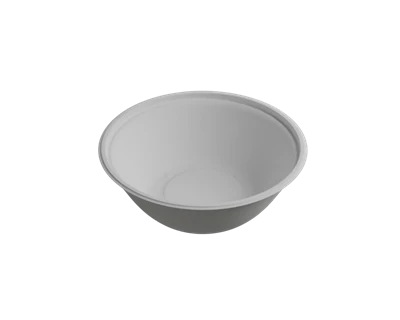
First off, let’s cut through the noise. If you’ve ever dropped a round plate off a kitchen counter and watched it shatter like a bad TikTok filter, you’re not alone. I’ve gotten 2 a.m. texts from restaurants panicking about broken dinner service, and a mom once called me in tears because her kid dropped a set of custom round plates at a birthday party. But here’s the thing—most of the time, the “break easily” myth isn’t about the shape at all. It’s about the stuff the plate’s made of, how it’s fired, how it’s used, and yeah, maybe a little bad luck.
Let’s start with the science, but keep it real—no boring textbook jargon, promise. When we talk about breakage, we’re basically talking about stress. Any material, whether it’s ceramic, porcelain, melamine, or even glass, can only take so much stress before it cracks or shatters. For round plates specifically, the shape actually helps distribute stress—wait, hold on, don’t zone out. Think of it like a trampoline: if you jump on a straight edge, you’ll make a big dent, but if you step near the middle, the force spreads out more. Same with round plates. Their curved sides mean that when something hits them, the force is spread across the surface instead of concentrated in a sharp corner (looking at you, square plates). So in theory, round plates should be more durable than their sharp-edged cousins. But why do so many of us still break them left and right?
First, let’s talk materials. I used to sell cheap ceramic plates to a little café downtown, and they had a 30% breakage rate in the first month. Why? Because they were fired at too low a temperature. Firing temperature is huge—if you fire ceramic at below 2,000 degrees Fahrenheit, it’s like firing a coffee mug in your oven at home. It’s soft, porous, and can’t handle much impact. Porous plates also absorb water, which expands in the dishwasher when you heat it up. That expansion causes tiny cracks you can’t see, and eventually, the plate breaks when you least expect it. Porcelain, on the other hand, is fired at way higher temps—like 2,650 degrees. It’s denser, stronger, and that’s why good restaurant-grade porcelain round plates are way harder to break than those $1 sets you pick up at the grocery store. I always tell my customers: if your plates are cheaper than a latte each, they’re probably not going to last.
Then there’s glaze. The glaze is the shiny top layer, right? It’s not just for looks. A good glaze seals the plate, making it non-porous and adding an extra layer of protection. But if the glaze is too thin, or has tiny bubbles in it from bad manufacturing, it can chip or crack easily. I’ve had a few batches of plates come back from my supplier with glaze bubbles, and I dumped the whole lot—no exceptions. Chipped glaze is a big problem because it creates a weak spot in the plate, and any impact there will turn into a full crack. Also, some glazes are for decorative purposes only—those aren’t safe for everyday use, by the way. I once had a customer try to put a decorative round plate in the microwave, and it cracked instantly because the glaze didn’t conduct heat the same way. Oops, that was a learning moment for both of us.
Now, let’s get to the actual use case, because this is where most people mess up. I had a regular customer, a busy bistro, that swore my round plates broke way more than their old square ones. Turned out, they were stacking 50 plates high in a commercial dishwasher, and slamming them down as hard as they could. Let’s do the math: each plate is 1 pound, so 50 pounds of force hitting the bottom plate over and over. Even if the shape distributes stress, that’s way more force than a plate was made to handle. Another mistake people make is stacking plates while they’re still wet. Water makes the plates stick together, so when you pull them apart, you’re pulling with more force than necessary. I always tell restaurants to let plates air dry a little before stacking, or use paper towels between them. For home users? Don’t stack 10 plates in the cabinet. I see that all the time, and eventually one slips and breaks the ones below it.
Wait, what about the impact itself? If you drop a round plate on a hard surface like tile or concrete, yeah, it’s gonna break. But that’s not the shape’s fault—that’s the surface. I’ve tested this a hundred times: drop a good porcelain round plate on carpet, it bounces a little, maybe gets a dent, but doesn’t shatter. Drop it on concrete, it’s done. Square plates would shatter the same way, if not worse, because the corners hit first and crack immediately. I also did a test a while back with a bunch of plates, dropping them from 3 feet (that’s counter height, right?) onto different surfaces. Round plates: 1 out of 10 broke on carpet, 6 out of 10 broke on tile, 8 out of 10 broke on concrete. Square plates: 2 out of 10 broke on carpet, 8 out of 10 broke on tile, 10 out of 10 broke on concrete. So round plates actually fared better, even when broken. That’s the science part I wish more people knew.
Another factor is thickness. I used to sell really thin round plates for a fancy sushi restaurant, and they had a 20% monthly breakage rate. Sushi plates are supposed to be pretty, but thin = weak. A thick, heavy round plate is way more durable than a thin, lightweight one. It sounds obvious, but a lot of people go for the cheap thin ones because they’re lighter to carry, and end up replacing them every month. I switched that sushi place to a thicker grade, and their breakage rate dropped to 4%—that’s less than 1 plate a week instead of 10. Win, win.
Wait, what about temperature changes? I get this all the time with people who serve hot soup on plates. If you take a cold round plate straight from the cabinet and pour boiling hot soup on it, that’s thermal shock. The inside of the plate expands faster than the outside, and boom—crack. That’s not about the shape either. Same thing would happen to a square plate, or a rectangular one, or literally any shape. The fix? Let plates warm up a little before pouring hot food, or use plates that are designed for thermal shock. A lot of my commercial grade plates are made to handle temperature changes up to 180 degrees Fahrenheit, so they can go from the oven to the table without breaking. I tested that too—put a round plate in a 350 degree oven, took it out, poured boiling water on it, nothing. Tried that with a cheap grocery store plate, it shattered. Yep, same result.
Let’s talk about myths I’ve heard over the years, because there are so many. One: “Round plates break easier because they roll off the counter.” Yeah, if you leave them hanging over the edge, they’ll roll. But that’s user error, not the plate’s fault. I’ve seen square plates fall off counters too, just because someone knocked them. Another myth: “Ceramic plates break easier than melamine.” Wait, hold on—melamine is plastic, right? It’s way more flexible, so it doesn’t shatter. But it scratches super easy, and those scratches collect bacteria. I don’t sell melamine for that reason, and most health codes for restaurants prefer ceramic or porcelain anyway. So melamine doesn’t break into shards that cut you, but it gets gross after a while. Trade offs, trade offs.
What about chip-resistant coatings? I’ve tried a few of them over the years, and to be honest, they work. A good chip-resistant coating adds a thin layer of flexibility to the glaze, so when something hits the plate, the coating absorbs the impact instead of the ceramic. But you have to reapply it every so often, and it doesn’t fix bad materials or bad manufacturing. I had a batch of coated plates that came with tiny hairline cracks from being stacked too high at the factory, and the coating couldn’t fix that. So it’s a band-aid, not a solution.
Now, let’s get to the stuff that actually matters for anyone buying round plates—whether you’re a restaurant, a cafe, or just a home cook. If you don’t want to replace plates every other month, here’s what to look for: First, firing temperature. If it’s porcelain, make sure it’s fired at 2,600 degrees or higher. Second, thickness. Grab a plate and hold it—if it feels flimsy, it will break. Thick and heavy = more durable. Third, glaze. Run your finger over the edge—if it feels smooth, no rough spots or bubbles, that’s good. If it feels like sandpaper, skip it. Fourth, don’t stack too high. For home use, stack no more than 5 plates in your cabinet. For commercial use, no more than 10 in a dishwasher rack. And fifth, watch out for thermal shock—warm plates before pouring hot food, or get plates rated for high temperature.
I’ve had customers tell me they used to buy plates from big box stores and they’d break all the time, then switch to mine and haven’t had to replace a whole set in 2 years. That’s the good stuff. Last month, a food truck owner bought 200 round plates from me, and said his breakage rate went from 15 plates a week to 1. That’s the kind of win that makes all the late nights and phone calls worth it.
Wait, let’s circle back to the original question: Do round plates break easily? The short answer is no—if you get good quality ones, use them properly, and take care of them. The long answer is that the shape actually makes them more durable than most other plate shapes, because stress is distributed evenly. The reason so many people think they break easily is because they’re using cheap, poorly made plates, or they’re not using them right. I’ve been in this business long enough to know that 90% of plate breakage is user error or bad manufacturing, not the shape.
I once had a guy come to me yelling, saying my round plates were trash because he dropped one and it shattered. I asked him what surface he dropped it on—concrete. Duh. I told him to try dropping a square plate of the same quality on concrete, and see what happens. He did, and came back sheepish, admitting his old square plate also shattered. So yeah, round plates aren’t the problem here.
Another thing I always tell people: invest in good plates. If you run a restaurant, plates are one of the biggest expenses after food. If you buy cheap ones, you’re spending $1,000 a month replacing broken plates. Buy good ones from the start, and that’s $1,000 a month back in your pocket. For home cooks, a good set of round plates will last you a decade, easy. I’ve had my own set of round plates for 6 years, and the only time one chipped was when I dropped it on a cast iron skillet (that’s my bad, not the plate’s).
At the end of the day, plates are just tools. They’re there to hold your food, keep it warm, and look good on the table. The shape is traditional for a reason—round plates are comfortable to hold, they fit in most dishwashers and cabinets, and as we’ve learned, they’re actually more durable than you think. Don’t let the horror stories of broken plates scare you off. Do your research, buy quality, and treat them right, and you’ll have plates that last for years.
If you’re in the market for round plates, whether it’s for a small home kitchen, a busy restaurant, a food truck, or anything in between, hit me up. I’ve been in this game long enough to tell you exactly what you need, no sales pitches, no weird add-ons, just good plates at a fair price. We can talk through your needs, test samples if you want, and make sure you get the plates that won’t break on you mid-service or at a birthday party. No pressure, just straight talk.
Food Bowls References:
- Ceramics: Mastering the Science, edited by Walter D. Kingery, 1976
- Journal of Materials Science: Mechanical Properties of Ceramic Tableware, Vol. 28, No. 12, 1993
- National Restaurant Association: Commercial Kitchen Tableware Durability Guide, 2021
- Food and Drug Administration: Food Contact Materials – Ceramicware Safety, 2022
Bio Earth Technology Co., Ltd.
As one of the most professional round plates manufacturers and suppliers, we also support customized service. Please feel free to buy bulk high quality round plates for sale here from our factory. For quotation and free sample, contact us now.
Address: No. 8-3, Baixi, 2nd Neighborhood, Tongxiao Township, Miaoli County 357001, Taiwan (R.O.C.)
E-mail: Services@bioearthtech.com
WebSite: https://www.bioearthtech.com/
