If you’ve ever walked into a cosmetics store and paused mid-step just because the way a lipstick display was lit or a foundation stand blended into the wall made the whole space feel intentional, you’ve experienced the power of a well-paired display stand. As a cosmetics display stand supplier, I’ve spent the last 12 years working with independent beauty boutiques, mid-sized department stores, and niche clean beauty brands to solve the exact problem: how to pick display stands that don’t just hold products, but elevate the store’s interior. Too many brands make the mistake of choosing stands first, then forcing their store design around the stands, which leads to a disjointed, unmemorable shopping experience. The reverse is smarter—tailoring your stand selection to the store’s bones, not the other way around. Over the years, I’ve seen small, family-run shops double their in-store conversions just by adjusting one display stand to fit their existing brickwork, and I’ve watched large chain stores waste thousands on stands that clash with their sleek, minimalist layouts. Today, I’m breaking down the step-by-step process I use with every client to pair display stands with a store’s interior, no matter the size or aesthetic. Cosmetics Display Stand
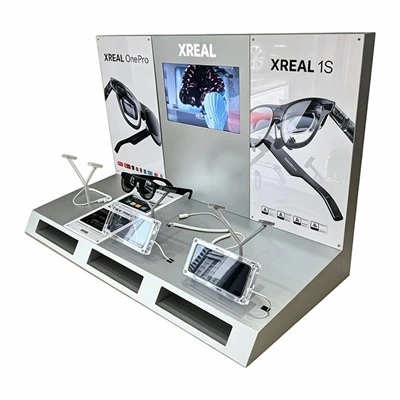
The first, and most critical, step is to conduct a deep dive into your store’s core design language before touching a single stand. This isn’t just about picking colors—it’s about understanding the three foundational elements that make a space feel cohesive: material texture, spatial flow, and emotional brand identity. Let’s start with material texture, because this is the easiest element to overlook, and the one that creates the most obvious disconnect. For example, last year I worked with a client in Portland, Oregon, who runs a shop focused on wild-harvested, plant-based skincare. Her store’s interior is all reclaimed oak, exposed metal brackets, and woven jute window treatments—warm, earthy, and focused on sustainability. When she first reached out, she showed me photos of glossy acrylic stands she’d found online; they looked sharp on a screen, but in her store, they would have felt out of place, like a fast-food cup at a fine dining restaurant. Instead, we worked together to source display stands crafted from 100% reclaimed oak with subtle metal accents that matched her existing bracket hardware. The result? Each stand looked like it was built for that wall, not dropped into it. Contrast that with a client in downtown Chicago, who runs a contemporary makeup bar for bold, pigmented lipsticks. Her store’s interior is all matte white porcelain, brushed steel, and floor-to-ceiling mirror panels—sleek, modern, and uncluttered. Glossy acrylic stands would have worked here, but we opted for thin, powder-coated steel stands that mirrored the thickness of her mirror frames, so the stands felt like an extension of the wall, not an add-on.
Next, after nailing down texture, you need to map your store’s spatial flow to decide where each display stand goes—and what shape it should be. Spatial flow refers to how customers move through your store: do they come in from the front entrance, make a right turn into skincare, left into makeup, and end at the checkout? That path determines not just where stands go, but their size and function. A common mistake brands make is placing a large, bulky stand in a high-traffic walkway, forcing customers to divert and making them feel frustrated. Last month, a client in Austin told me her 1,200-square-foot boutique had a dead corner near the back door that sat empty for six months. We measured the corner and realized it was a perfect fit for a curved, low-profile display stand—curved so it didn’t block foot traffic, low-profile so it didn’t disrupt the line of sight from the entrance. We filled it with travel-sized products, which were a great impulse buy, and within two weeks, she told me that corner was one of her highest-margin spots. For a larger space, like a department store with separate zones for makeup, skincare, and hair care, vertical display stands can work—but only if they fit the zone’s height ceilings. If your makeup zone has 10-foot ceilings, a tall, tiered acrylic stand will draw the eye upward and feel intentional. But if your skincare zone has 8-foot ceilings, a tall stand will make the space feel cramped, so you’ll want to opt for shorter, wide, horizontal stands that fit the lower ceiling height and encourage browsing without overwhelming the room.
Once texture and flow are sorted, the third foundational element is emotional brand identity. This is the hardest to quantify, but it’s the most important because it ties the display to why customers choose your brand in the first place. Let’s use a clean beauty brand vs. a luxury fragrance brand as examples. A clean beauty brand’s identity is built on transparency, sustainability, and approachability—so display stands made from recycled materials, with open shelving that lets customers pick up products easily, align with that identity. A luxury fragrance brand, on the other hand, is built on exclusivity, craftsmanship, and sophistication—so display stands that are heavier, with a matte finish and closed, curated sections (so products feel special, not just disposable) will reinforce that identity. I once worked with a luxury fragrance brand in New York City that wanted to refresh their display stands. Their old stands were white plastic, which felt cheap next to their high-end scents that started at $150 a bottle. We worked to create solid marble stands with brushed brass accents—marble to match the store’s imported Italian tile floors, brass to match their signature scent caps. The stands cost 30% more than their old ones, but their average transaction value went up by 22% within a month because customers associated the nicer displays with a higher-quality product. That’s the power of aligning your stand’s design with your brand’s emotional identity; it’s not just about looks, it’s about shaping how customers perceive your products before they even pick them up.
Now, let’s talk about the practical, tactical decisions that turn this big-picture thinking into tangible displays: size, lighting, and adaptability. Size is non-negotiable—you can’t put a 6-foot-tall stand in a store with a 7-foot ceiling and expect it to work. I always recommend clients bring a tape measure and take photos from every angle of the walls, corners, and open spaces before they even start looking at stands. That way, when I send them mockups of stands, they can visualize exactly how they’ll fit. Lighting is another game-changer, and one that most suppliers don’t emphasize enough. A display stand that looks neutral in a warehouse will look completely different under your store’s track lighting or recessed lights. I always suggest clients test stand samples in their store’s lighting, not just in our showroom. For example, a matte black stand might look sharp under cool, white track lighting, but under warm, yellow recessed lights, it might look dull and gray. We can adjust the finish to a soft, charcoal or a warm black that pops in their specific lighting, which makes all the difference.
Adaptability is the final tactical point, especially because beauty brands update their inventory constantly. A display stand that works for lipsticks this year might not work for serums next year, so choosing stands with interchangeable parts is a smart investment. For example, modular display stands that have removable shelves, adjustable tiers, and interchangeable back panels let you switch out your display to match new product lines without buying entirely new stands. Last year, a client who sells seasonal makeup collections used our modular stands to switch from bright, summer-themed stands to warm, winter-themed stands in less than 24 hours—no tools required. That flexibility saves money in the long run, and it ensures your displays never feel outdated, even if your products change.
Wait, but what if you’re working with a small, temporary space? Like a pop-up shop, or a boutique that only has one wall to use for displays? Adaptability is even more important here. Last year, I worked with a clean beauty brand that did a 3-month pop-up in a Brooklyn bookstore, with a very limited budget and only a 8-foot wall to work with. We created a freestanding, lightweight display stand that could be assembled in 10 minutes without tools, had adjustable shelves for different product sizes, and was made from 100% recyclable cardboard that matched the bookstore’s vintage wooden decor. It fit perfectly in the small wall space, tied into the brand’s sustainability identity, and was easy to take down and recycle when the pop-up ended. The brand told me they actually used the same stand concept for their permanent store a year later, because it worked so well.
I want to be clear here: there is no one-size-fits-all formula, and the last mistake brands make is trying to copy a display they saw at another store. What works for a sleek, minimalist skincare shop in Los Angeles will not work for a rustic, apothecary-style shop in the Midwest. The key is to look at your store’s existing design and product line, then find a stand that complements both, not stands out as a separate element. As a supplier, my job isn’t just to sell display stands—it’s to help brands create a shopping experience that feels intentional, memorable, and aligned with who they are. I’ve had clients come to me saying they want a stand that “looks nice” without considering the store’s walls, flow, or brand, and every time, we end up taking a step back to reassess, because the best displays are the ones that don’t call attention to themselves as displays—they call attention to the products.
Let’s wrap this up with a quick checklist you can use for your next display refresh, so you have a tangible guide to take with you: first, document your store’s core design: take photos, note material textures (wood, metal, tile, etc.), measure ceiling heights and foot traffic paths, and write down your brand’s key values (sustainability, luxury, approachability, etc.). Second, map your space: decide where each display will go, and what size/shape works for that spot (corner, wall, open floor space). Third, test samples: bring or order stand samples and test them in your store’s actual lighting, to make sure the finish and color match the space. Fourth, prioritize adaptability: choose stands with interchangeable parts so you can update displays for new products without redoing everything. Fifth, trust your gut: if a stand feels off when you look at it next to your existing design, it probably is—don’t settle for something that doesn’t feel right.
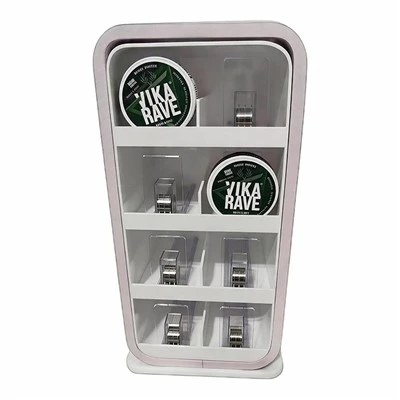
At the end of the day, pairing a cosmetics display stand with your store’s interior design isn’t about making everything match perfectly. It’s about creating a flow where a customer walks in, feels drawn to your space, and is guided through your products in a way that feels natural, not forced. I’ve seen this work for every type of beauty brand, from independent founders to large national chains, and it’s the core of every display I help design. If you’re planning a store refresh, opening a new location, or just looking to update your displays to boost sales, I’d welcome the chance to collaborate with you. Let’s talk through your space, your brand, and find display stands that work for you.
Headphone Display Stand For more insights on retail design and display solutions, refer to the following sources:
- Retail Design Institute. (2022). "Cohesive In-Store Design: Aligning Fixtures with Brand Identity"
- Cosmetics & Toiletries Magazine. (2021). "Maximizing Retail Foot Traffic Through Strategic Display Placement"
- Sustainable Retail Council. (2023). "Material Choices for Eco-Conscious Display Fixtures"
- Interior Design Magazine. (2022). "Spatial Flow: How Fixtures Shape Customer Shopping Behavior"
Shenzhen Xingzhong Display Products Co., Ltd.
As one of the most professional cosmetics display stand suppliers in China, we’re featured by quality products and good service. We warmly welcome you to buy customized cosmetics display stand made in China here from our factory. If you have any enquiry about quotation and free sample, please feel free to email us.
Address: 80 Tangkeng Road, Biling Street, Pingshan District, Shenzhen, Guangdong Province
E-mail: leo@xzdisplay.com
WebSite: https://www.xzdisplay.com/
