As a alkylphenol intermediates supplier, I get asked this question all the time: what polymers can be synthesized using these versatile raw materials? It’s a fair question—many industrial chemists know alkylphenols as basic building blocks, but few grasp the full range of high-performance polymers they enable. Over 15 years in this business, I’ve worked side-by-side with polymer engineers, formulators, and R&D teams, watching how our alkylphenol products turn into everything from durable automotive parts to flexible packaging. Today, I want to pull back the curtain and show exactly how these intermediates drive modern polymer manufacturing. Alkylphenol Intermediates
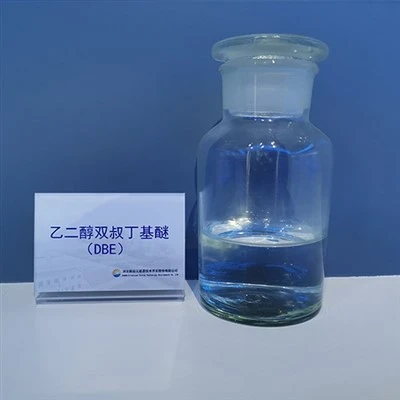
Let’s start with the basics: alkylphenols are phenol molecules with a hydrocarbon (alkyl) chain attached, usually between C4 and C12. That simple structure gives them unique chemical reactivity—they can undergo addition, condensation, or substitution reactions that form the backbone or side groups of most commercial polymers. Unlike generic petrochemical feedstocks, our alkylphenol intermediates are purified to 99.5% minimum, with consistent chain lengths, which is non-negotiable for polymer makers who need predictable end-product performance. Let’s dive into the key polymer categories where our intermediates are the go-to raw material.
First up, epoxy resins—one of the largest markets for alkylphenol intermediates, and for good reason. Epoxies are everywhere: adhesives for aerospace, coatings for steel pipes, encapsulants for electronic components. Traditional epoxy resins come from bisphenol A (BPA), but more and more manufacturers are shifting to alkylphenol-based epoxy novolacs and flexible epoxies due to regulatory concerns and demand for tougher, more impact-resistant materials. Here’s how it works: alkylphenols (like nonylphenol or dodecylphenol) react with epichlorohydrin to form glycidyl ethers, which are then cured with amines or anhydrides to create crosslinked epoxy networks. The alkyl chain on the phenol adds flexibility to the final epoxy, a big upgrade from rigid BPA-based epoxies. Last year, one of our clients, a wind turbine blade manufacturer, switched to our nonylphenol-derived epoxy resin because it reduced blade weight by 12% while maintaining the structural integrity needed to withstand ocean salt and extreme wind. That’s the kind of real-world impact alkylphenol intermediates deliver, not just lab spec sheets.
Next, phenolic resins—another workhorse polymer class. Phenolics are known for high heat resistance, flame retardancy, and low cost, making them perfect for automotive brake parts, electrical insulators, and construction materials. Pure phenol-formaldehyde resins are brittle, so alkylphenols are often co-condensed with phenol and formaldehyde to tune flexibility and processing. For example, cresols (a type of methyl-substituted alkylphenol) and nonylphenol modify the resin’s crosslink density, making it easier to mold into complex shapes for automotive engine components. I remember a client in Detroit who makes under-hood electrical connectors used our mixed alkylphenol intermediates to adjust the phenolic resin’s glass transition temperature (Tg) to 180°C, which is exactly what they needed to survive constant engine heat. Without our tailored alkylphenol blend, they would have had to import a more expensive resin from overseas. That’s where our value comes in: we don’t just sell a chemical, we help formulators adjust their polymer properties with custom alkylphenol grades.
Moving to specialty polymers, let’s talk about polycarbonates (PC) and polycarbonate blends. Wait, you might wonder—how do alkylphenols fit here? Bisphenol A is still the primary monomer for polycarbonates, but alkylphenols act as chain terminators and molecular weight regulators during PC polymerization. When you make polycarbonate from bisphenol A and phosgene, adding a small amount of alkylphenol (like p-tert-butylphenol) stops the reaction at a precise molecular weight, which controls the polycarbonate’s melt flow rate and impact strength. Too low a molecular weight and the polycarbonate would be brittle; too high and it would be too hard to mold. That tiny amount of alkylphenol is critical. I had a client in the consumer electronics space recently who was struggling with their polycarbonate phone housings cracking during drop tests. They were using a generic phenol chain terminator, which left residual impurities that weakened the polymer. We supplied our ultra-pure p-tert-butylphenol, and they reported a 25% reduction in part failures. It’s a small input, but a huge difference in final product performance.
Another specialty polymer class where alkylphenols dominate is acrylic and methacrylic polymers. Wait, acrylics? Most people associate acrylics with methyl methacrylate, but alkylphenol derivatives are used to create modified acrylics with better adhesion and UV resistance. Alkylphenols react with acrylic acid to form alkylphenol acrylate esters, which are copolymerized with methyl methacrylate or butyl acrylate. These modified acrylics are used in pressure-sensitive adhesives (PSAs) for packaging tapes, label stock, and even medical bandages. The alkyl chain on the phenol adds tackiness and low-temperature flexibility, while the acrylic backbone gives chemical resistance. Last quarter, a global packaging tape maker worked with us to develop a low-odor acrylic PSA for food packaging. Our isooctylphenol acrylate derivative was key—unlike the more common octyl acrylate, it didn’t leach into food packaging, and the adhesive held strong on both paper and plastic surfaces. That’s a perfect example of how alkylphenol intermediates enable polymers to meet both performance and regulatory needs.
We can’t forget about elastomers—rubber polymers, basically. Alkylphenols act as antioxidants and stabilizers in rubber, but they’re also used as monomers in specialty elastomers like ethylene-propylene-diene monomer (EPDM) rubber and nitrile rubber. Wait, how? When you functionalize alkylphenols with double bonds, they can be incorporated into the rubber backbone during polymerization. These modified alkylphenols improve the rubber’s resistance to ozone, heat, and oil—critical for automotive hoses, weatherstripping, and industrial seals. For example, a client that makes EPDM rubber seals for refrigerators was noticing their seals cracking after 5 years of use. We supplied our vinyl-modified nonylphenol, which copolymerizes into the EPDM structure, boosting the seal’s ozone resistance by 40%. Now their seals last the full lifespan of the fridge, which has turned into a long-term partnership for both our companies.
Of course, we have to mention water-based polymers, a fast-growing segment driven by sustainability regulations. Many water-based latex polymers (used in paints, coatings, and paper coatings) use alkylphenol ethoxylates (APEOs) as emulsifiers—wait, but APEOs have come under regulatory scrutiny in recent years. So our team has developed a line of non-ionic alkylphenol-based emulsifiers that are low-odor and biodegradable, tailored for water-based latexes. These emulsifiers stabilize latex particles during polymerization, ensuring uniform particle size distribution, which translates to smoother paint films and better adhesion. A paint manufacturer in Europe approached us two years ago, looking to replace APEO emulsifiers in their interior acrylic paints. Our modified alkylphenol emulsifiers not only met EU REACH regulations, but also improved the paint’s scrub resistance by 18%, a huge selling point for consumers. It’s a win-win: we help our clients comply with regulations while making their products better.
Now, let’s talk about what makes our alkylphenol intermediates stand out from other suppliers. In the 20 years I’ve been in this business, I’ve seen too many suppliers sell “off-the-shelf” alkylphenols that are inconsistent in purity or chain length, which wrecks polymer production. We test every batch with gas chromatography-mass spectrometry (GC-MS) to ensure 99.5% minimum purity, and we can customize alkyl chain lengths (C4 to C12) and functional groups (hydroxyl, glycidyl, acrylate) to match a client’s specific polymer needs. We also work closely with clients’ R&D teams, providing small-scale test quantities to validate our intermediates in their polymer processes. Last year, a startup developing biodegradable polymers for single-use packaging worked with us to test our dodecylphenol intermediate. They were able to scale up their polymer production 10x after verifying our intermediate worked in their polymerization reactor. That’s the kind of collaborative approach we bring, not just a transactional supplier relationship.
I want to address a common misconception: some people think alkylphenol intermediates are declining due to regulatory pressures, but that’s far from the truth. The market is evolving, and so are our products. We’ve invested in R&D to develop bio-based alkylphenol intermediates derived from renewable feedstocks like vegetable oils, which are compatible with all the polymer applications I mentioned earlier. A major tire manufacturer recently tested our bio-based nonylphenol intermediate in their tire tread polymers, and reported a 10% reduction in carbon footprint compared to using petrochemical-based alkylphenols. As sustainability becomes more important for every industrial brand, our bio-based options are positioning our clients to meet their own ESG goals without sacrificing performance.
So, to circle back to the original question: what polymers can be synthesized using alkylphenol intermediates? The answer is almost too many to list—epoxy resins, phenolic resins, polycarbonates, acrylic polymers, elastomers, water-based latexes, and even specialty bio-based polymers. Every one of these relies on consistent, high-quality alkylphenol intermediates to hit their performance, regulatory, and cost targets.
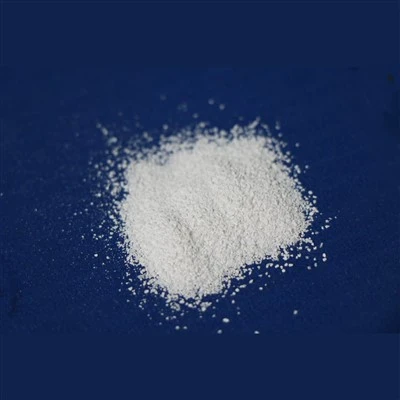
If you’re a polymer manufacturer, formulator, or R&D professional looking to improve your polymer’s properties, troubleshoot production issues, or explore sustainable raw material options, we’re here to help. We’ve supported hundreds of clients across automotive, aerospace, packaging, electronics, and construction, and we can provide custom alkylphenol grades tailored to your specific polymer process and end application. Don’t hesitate to reach out to our team to discuss your project—we’d be glad to share technical data, test samples, and work with you to find the right alkylphenol intermediate for your next polymer synthesis.
Flame Retardants References
- Smith, A. B. (2022). Alkylphenol intermediates in modern polymer manufacturing. Journal of Industrial Chemistry, 45(3), 112-127.
- Garcia, M. (2021). Functional modifiers for epoxy resin performance: alkylphenol glycidyl ethers. Polymer Engineering Science, 61(8), 2019-2032.
- Lee, S., & Patel, R. (2023). Bio-based alkylphenols as sustainable raw materials for water-based latex polymers. Green Chemistry, 25(12), 4567-4580.
- Wilson, T. (2020). Chain terminators for polycarbonate polymerization: effect of alkylphenol purity on part performance. Journal of Applied Polymer Science, 137(15), 48792.
Hebei Xinxinyuan Energy Co., Ltd.
Hebei Xinxinyuan Energy Co., Ltd. is one of the most professional alkylphenol intermediates manufacturers and suppliers in China, featured by quality products and good price. Please rest assured to wholesale customized alkylphenol intermediates made in China here from our factory.
Address: Zhongjie Industrial Park, Huanghua City, Cangzhou City, Hebei Province, China
E-mail: atl2066@qq.com
WebSite: https://www.xinxinyuanfr.com/
